
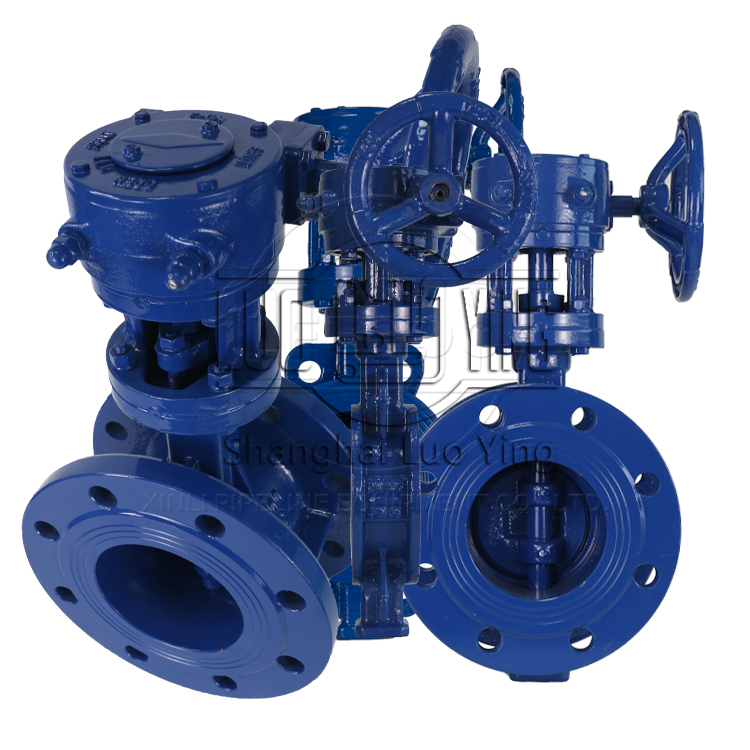

LUOYING
DN15-DN1200
16 bar
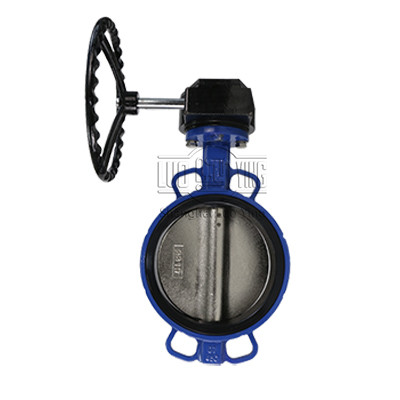
Der Gummi wird direkt auf den Ventilkörper gespritzt und bildet eine dauerhafte Verbindung.Dadurch b...
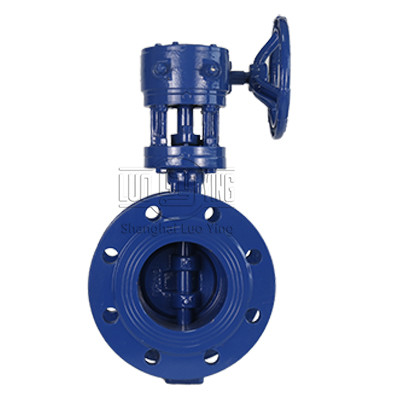
Geeignet für den Einbau zwischen Flanschen und einsetzbar in vielen allgemeinen Anwendungen wie Wass...
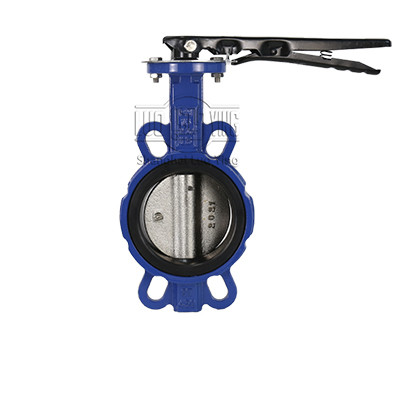
Drehschieberventil mit harter Phenolsitz, stift- oder verzahnter Verbindung zwischen Scheibe und Sch...
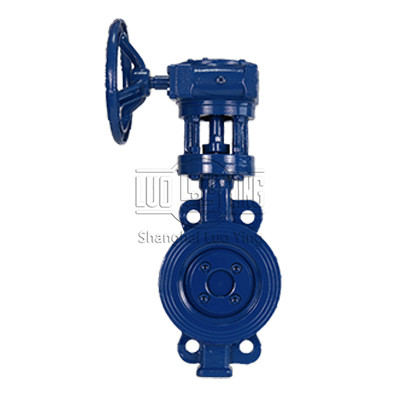
Butterfly valves – German translation:Drehschieberventile sind zur kostengünstigen Absperrung von Ro...
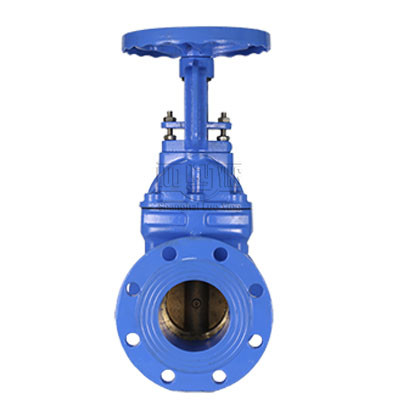
Der Schieberventil ist ein Volldurchgangsventil. Dank des Metallsitzes sind diese Ventile für spezie...
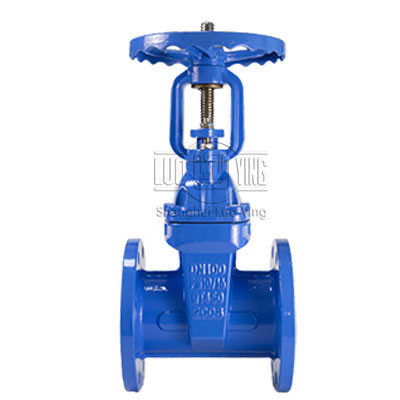
Der Schieberventil ist ein Volldurchgangsventil.Dank des Metallsitzes sind diese Ventile für speziel...
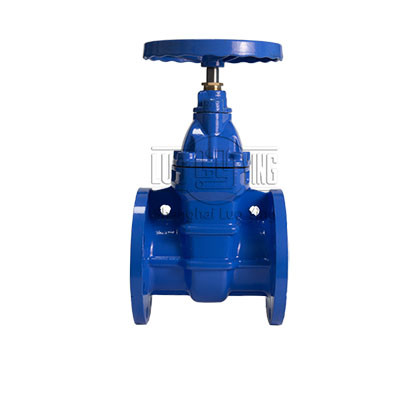
Der Schieberventil ist ein Volldurchgangsventil.Dank des Metallsitzes sind diese Ventile für speziel...
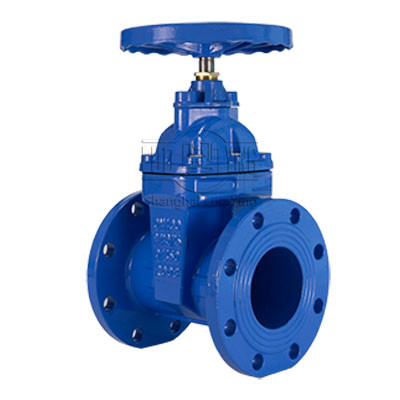
Wenn dieses Ventil mit bidirektionalem Durchfluss vollständig geöffnet ist, stimmen Schieber und Roh...
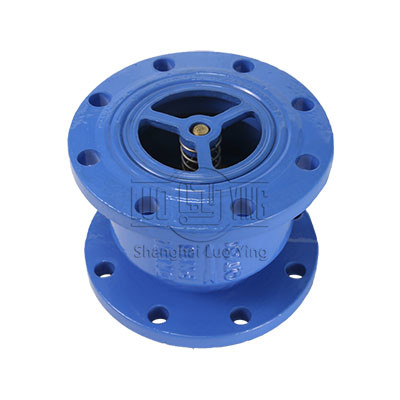
Das Silent-Rückschlagventil ist die bevorzugte Wahl bei Anwendungen, bei denen geräuschloser Betrieb...
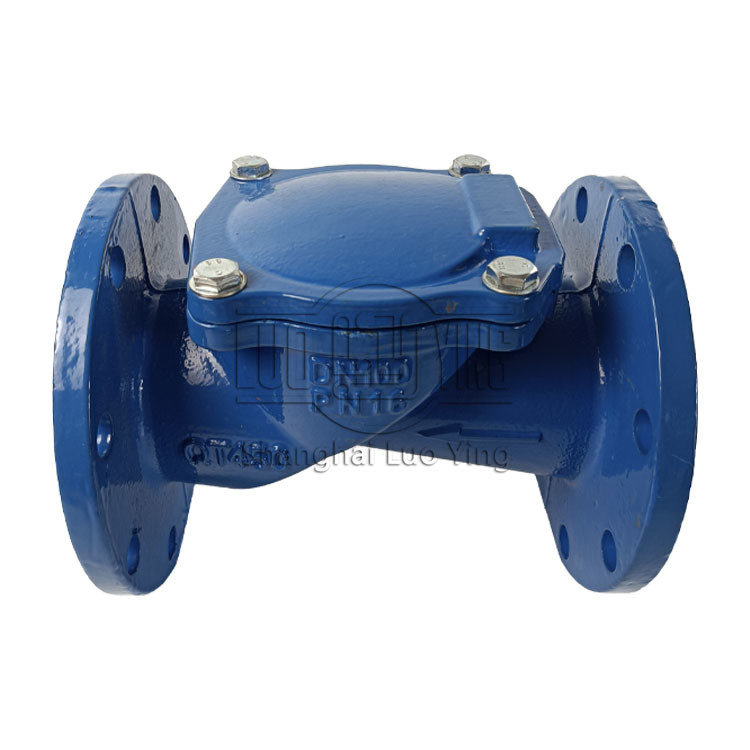
Gummiklappen-Rückschlagventile zeichnen sich durch eine einzigartige, einfache Konstruktion mit nur ...
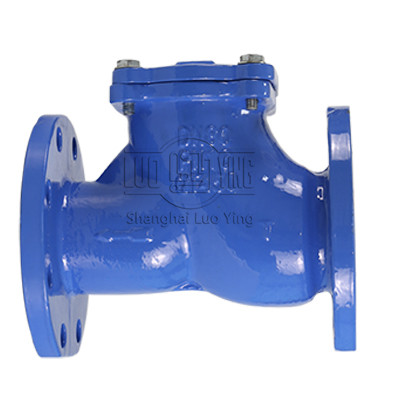
Kugelrückschlagventile eignen sich besonders für verschmutzte Medien, da die kugelförmige Ventilvers...
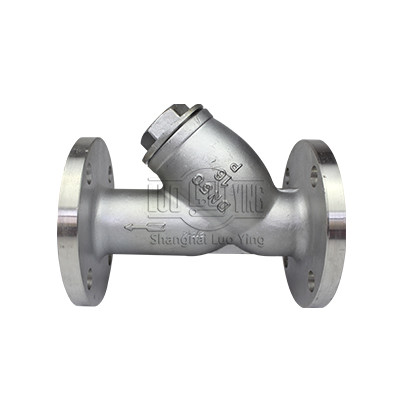
Y-Type-Rohrfilter gehören zu den Geräten zur Förderung von Medien und werden hauptsächlich am Eingan...
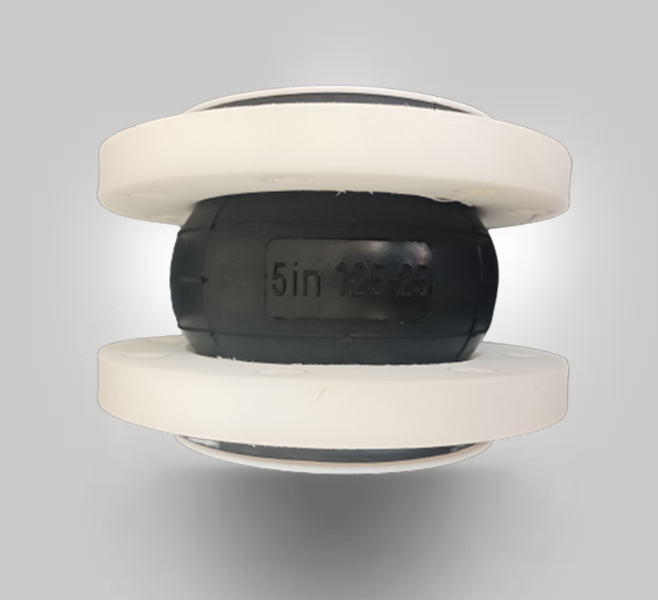
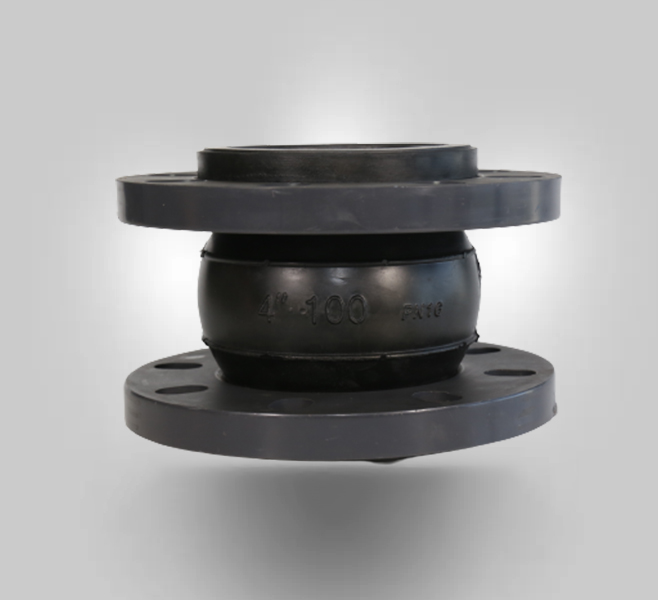
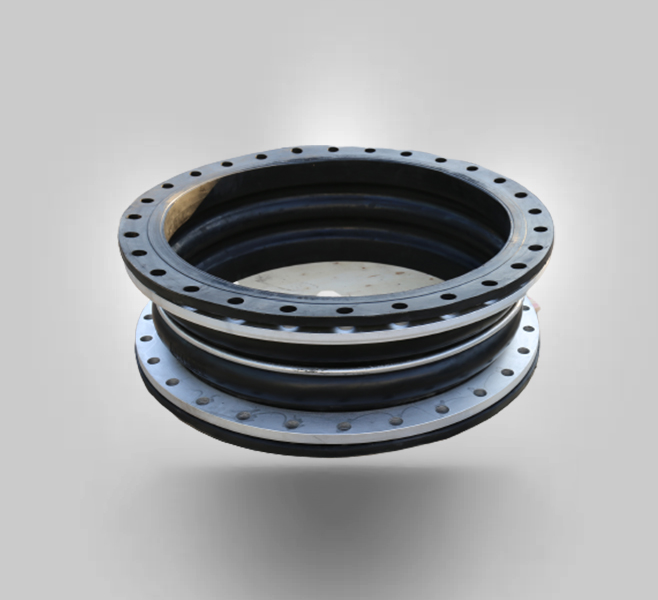
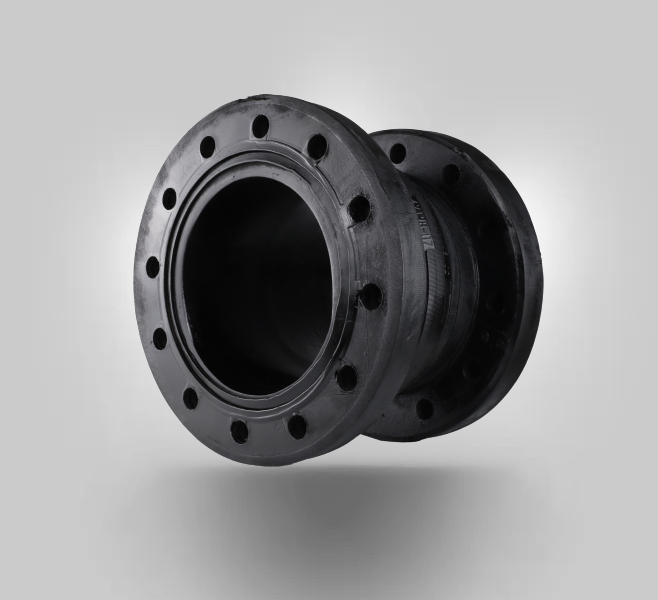
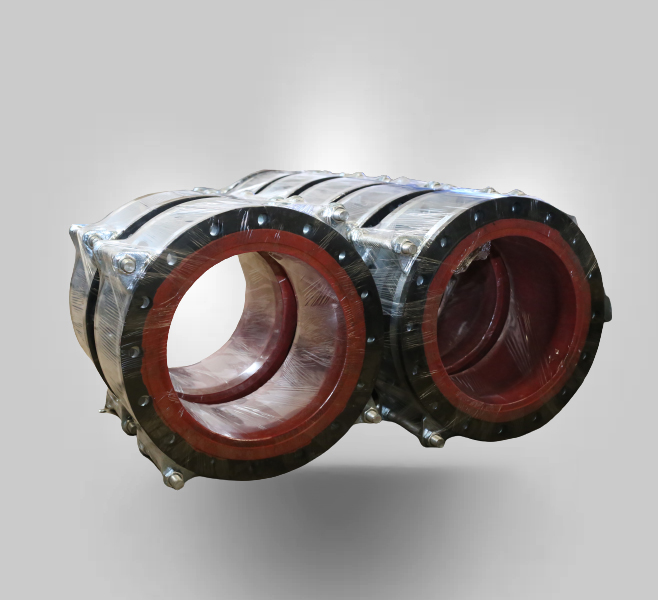
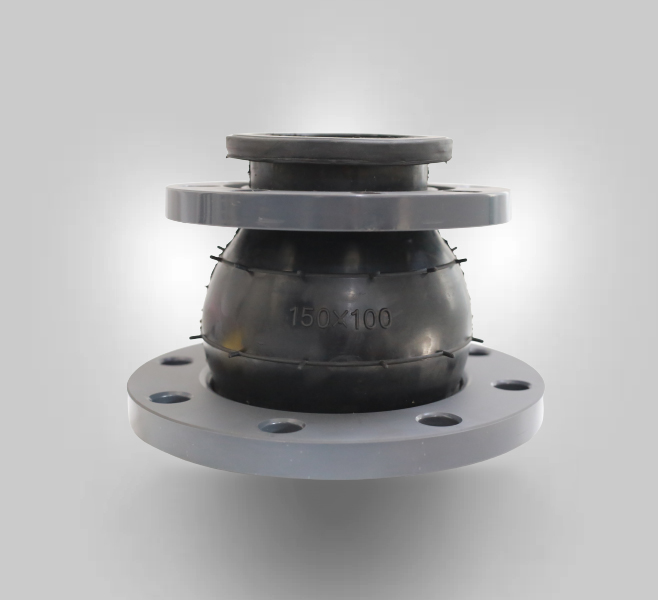
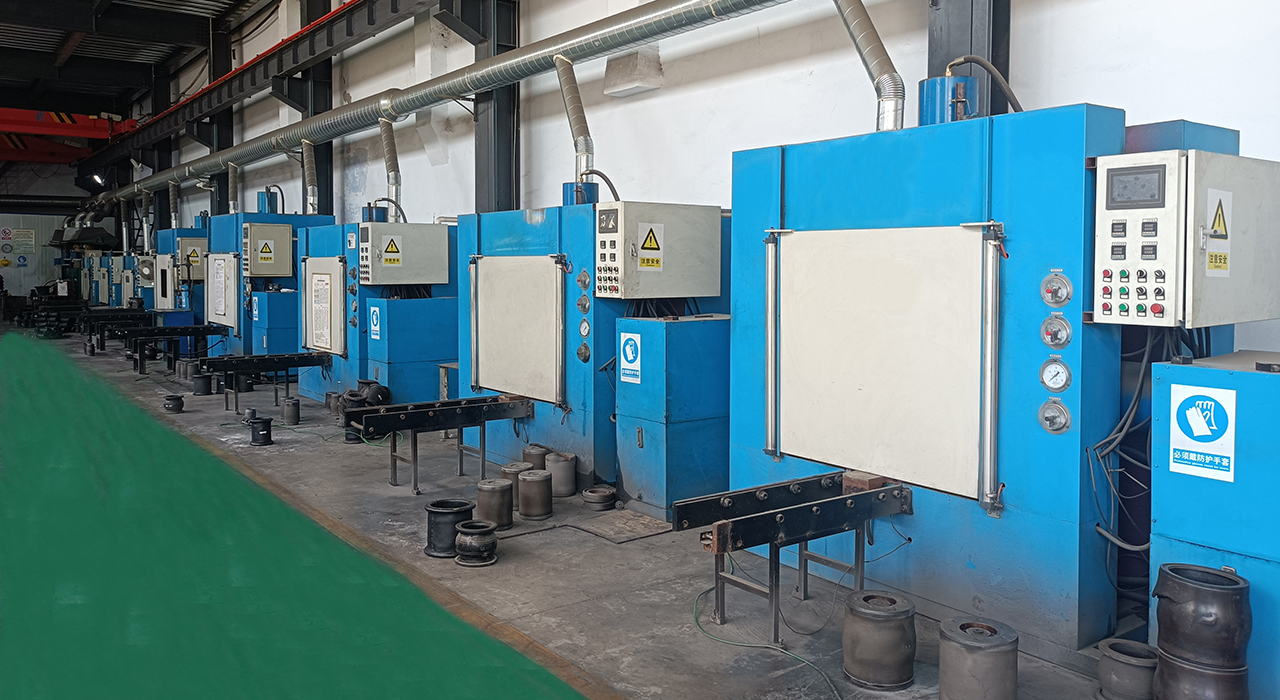
Rubber expansion joints are mainly manufactured by manual wrapping of rubber sheets and fabric reinforced rubber sheets around a bellows-shaped product mandrel. Besides rubber and fabric, reinforced rubber and/or steel wires or metal rings are added for additional reinforcement. After the entire product is built up on the mandrel, it is covered with a winding of (nylon) peel ply to pressurize all layers together. Because of the labor-intensive production process, a large part of the production has moved to eastern Europe and Asian countries.
Some types of rubber expansion joints are made with a molding process. Typical joints that are molded are medium-sized expansion joints with bead rings, which are produced in large quantities. These rubber expansion joints are manufactured on a cylindrical mandrel, which is wrapped with bias cut fabric ply. At the end the bead rings are positioned and the end sections are folded inwards over the bead rings. This part is finally placed in a mold and molded into shape and vulcanized. This is a highly automated solution for large quantities of the same type of joint.
New technology has been developed to wind rubber and reinforcement layers on the (cylindrical or bellows-shaped) mandrel automatically using industrial robots instead of manual wrapping. This is fast and accurate and provides repeatable high quality. Another aspect of using industrial robots for the production of rubber expansion joints is the possibility to apply an individual reinforcement layer instead of using pre-woven fabric. The fabric reinforcement is pre-woven and cut at the preferred bias angle. With individual reinforcement it is possible to add more or less fiber material at different sections of the product by changing the fiber angles over the length of the product.
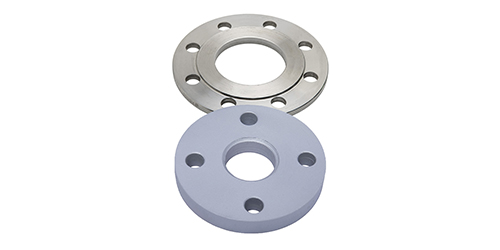
Piping components can be bolted together between flanges. Flanges are used to connect pipes with each other, to valves, to fittings, and to specialty items such as strainers and pressure vessels. A cover plate can be connected to create a "blind flange" Flanges are joined by bolting, and sealing is often completed with the use of gaskets or other methods. Mechanical means to mitigate effects of leaks, like spray guards or specific spray flanges, may be included. Industries where flammable, volatile, toxic or corrosive substances are being processed have greater need of special protection at flanged connections. Flange guards can provide that added level of protection to ensure safety.
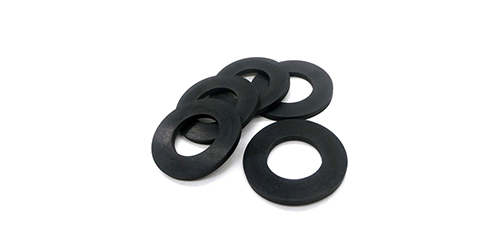
Fasteners are used for fastening and securing materials such as wood, metal, plastic, or concrete. They include nuts and bolts, threaded rods, structural bolts, machine screws, wedge anchors, washers, rivets, and more in a variety of types and sizes, including metric and inch.
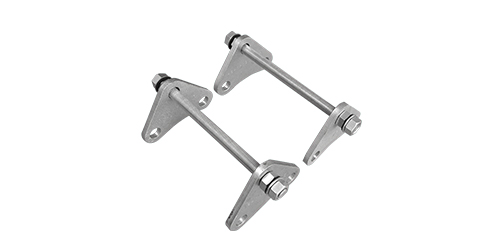
In systems that have a media with significant particulate content (i.e. flash or catalyst), a barrier of ceramic fiber can be utilized to prevent corrosion and restricted bellows flexibility resulting from the accumulation of the particulate. Purge connectors may also be utilized to perform this same function. Internal liners must also be included in the design if the expansion joint includes purge connectors or particulate barriers.
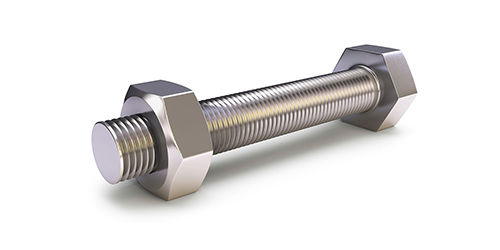
A gasket is a mechanical seal which fills the space between two or more mating surfaces, generally to prevent leakage from or into the joined objects while under compression. It is a deformable material that is used to create a static seal and maintain that seal under various operating conditions in a mechanical assembly.
