
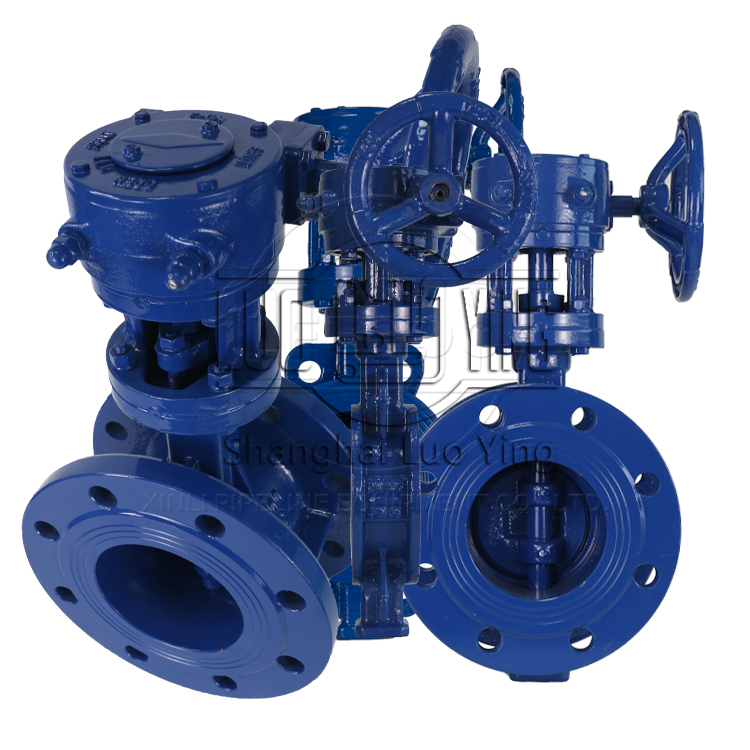
Valves are found in virtually every industrial process, including water and sewage processing, mining, power generation, processing of oil, gas and petroleum, food manufacturing, chemical and plastic manufacturing and many other fields.
People in developed nations use valves in their daily lives, including plumbing valves, such as taps for tap water, gas control valves on cookers, small valves fitted to washing machines and dishwashers, safety devices fitted to hot water systems, and poppet valves in car engines.
In nature there are valves, for example one-way valves in veins controlling the blood circulation, and heart valves controlling the flow of blood in the chambers of the heart and maintaining the correct pumping action.
Valves may be operated manually, either by a handle, lever, pedal or wheel. Valves may also be automatic, driven by changes in pressure, temperature, or flow. These changes may act upon a diaphragm or a piston which in turn activates the valve, examples of this type of valve found commonly are safety valves fitted to hot water systems or boilers.
More complex control systems using valves requiring automatic control based on an external input (i.e., regulating flow through a pipe to a changing set point) require an actuator. An actuator will stroke the valve depending on its input and set-up, allowing the valve to be positioned accurately, and allowing control over a variety of requirements.
Valves vary widely in form and application. Sizes[ambiguous] typically range from 0.1 mm to 60 cm. Special valves can have a diameter exceeding 5 meters.[which?] Valve costs range from simple inexpensive disposable valves to specialized valves which cost thousands of US dollars per inch of the diameter of the valve.
Disposable valves may be found in common household items including mini-pump dispensers and aerosol cans.
A common use of the term valve refers to the poppet valves found in the vast majority of modern internal combustion engines such as those in most fossil fuel powered vehicles which are used to control the intake of the fuel-air mixture and allow exhaust gas venting.

LUOYING
DN15-DN1200
16bar
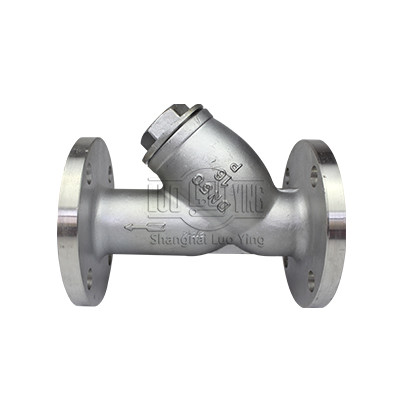
Y type pipe filter is a kind of device used for conveying medium, mainly installed in entrance gate of hydraulic control valves, pressure reducing valve, pressure relief valve, etc.
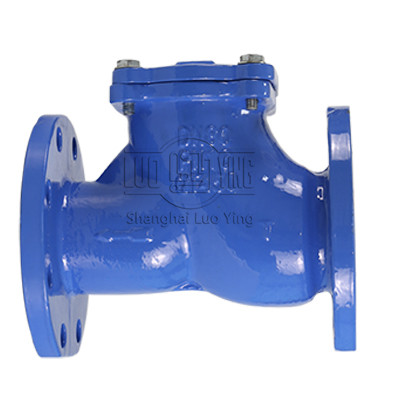
The ball check valve is suitable for use in polluted media as the ball shaped valve prevents the built up of dirt. The valve is for maintenance easy accessible through a large opening. The ball check valve may be used in waste water treatment, in power plants and in several other industries.
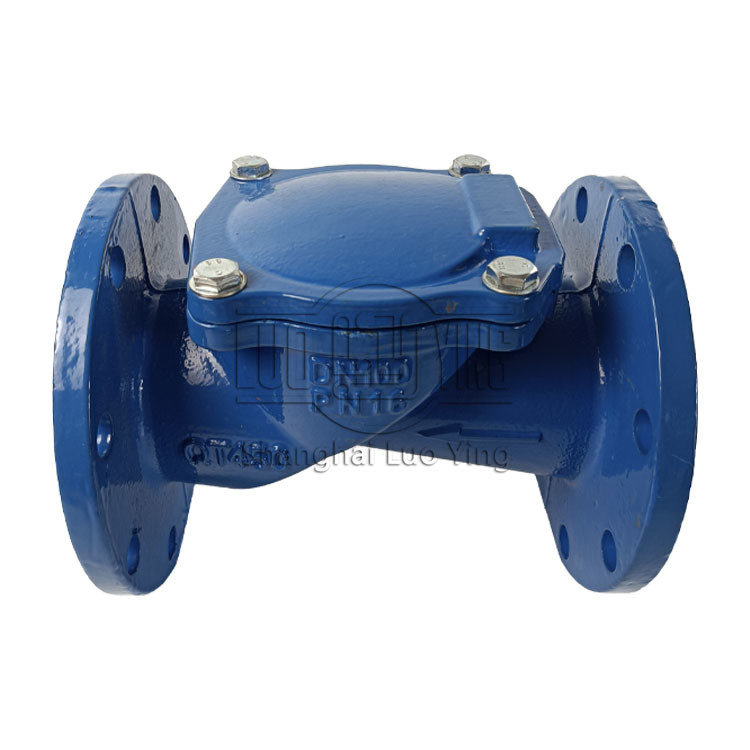
Rubber Flapper Swing Check Valves feature a unique, simple design with only one moving part. The flapper does not swing from a hinge pin; it simply flexes open. The seat is on a 45° angle. The flapper travels 35° from open to closed, usually before column reversal can occur.
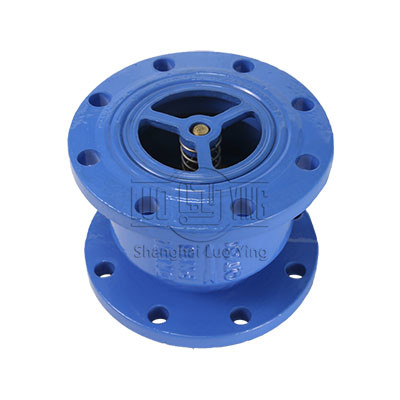
The Silent Check Valve is the preferred choice in applications where silent operation and cost are of major concern. Its short linear stroke and spring return action combine to close the valve prior to flow reversal which effectively eliminates the shock and water hammer normally associated with the sudden stoppage of a reverse flow.
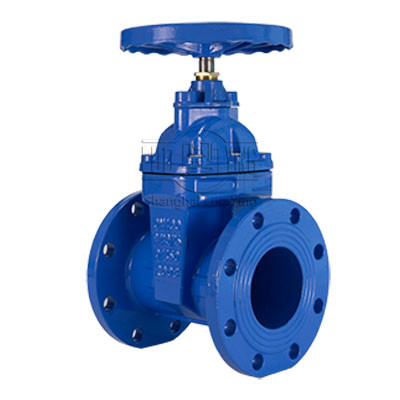
When this valve with bi-directional flow is fully open, the gate and pipeline diameter are the same and there is very low head loss.
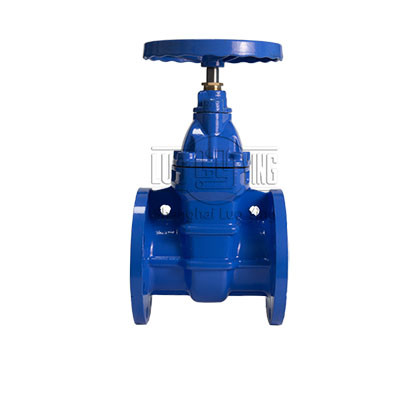
Gate valve is a full bore valve. Thanks to the metal seat, those valves are able to respond to specific operating conditions (high pressure, high temperatures). Its production is varied (cast iron, steel, stainless steel, duplex, etc.), it can therefore be used for numerous applications like the service industry and the chemical and oil industries.
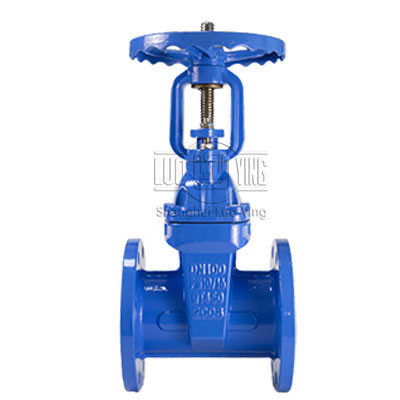
Gate valve is a full bore valve. Thanks to the metal seat, those valves are able to respond to specific operating conditions (high pressure, high temperatures). The wedge is fully vulcanized with drinking water approved EPDM rubber compound. It features an outstanding durability due to the ability of the rubber to regain its original shape, the double bonding vulcanization process and the sturdy wedge design.
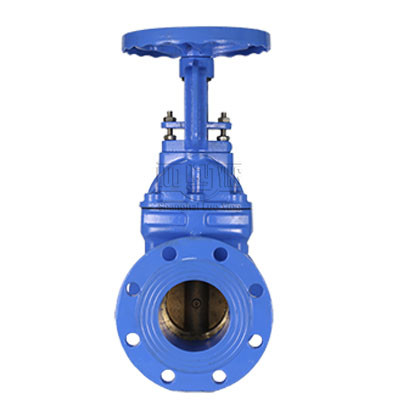
Gate valve is a full bore valve. Thanks to the metal seat, those valves are able to respond to specific operating conditions (high pressure, high temperatures). Its production is varied (cast iron, steel, stainless steel, duplex, etc.), it can therefore be used for numerous applications like the service industry and the chemical and oil industries.
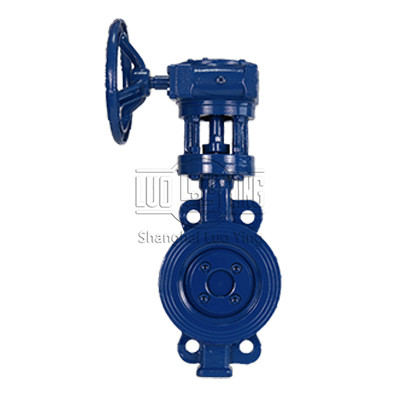
Butterfly valves are designed for cost-effective isolation of pipelines and are suitable for pressure and non-pressure water and industrial applications. The quarter turn disc can be actuated by lever or gearbox and is available in wafer, lugged or flanged body styles.
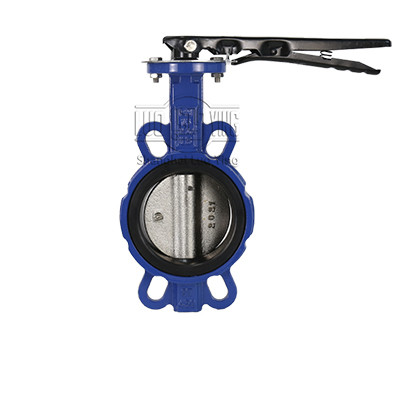
Butterfly Valve with hard phenolic seat, pin or splined connection between disc and stem, both wafer and lug style. Suitable for most general purpose applications.The valve can be used for both ‘open/close’ and for flow control operations.
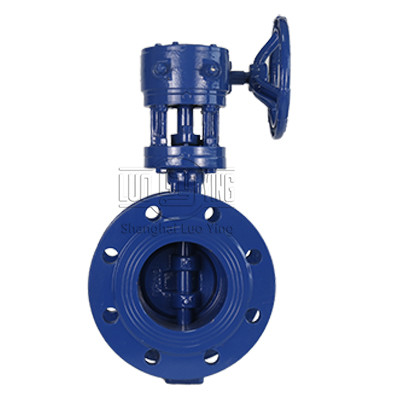
Suitable for mounting between flanges and can be used in many general applications such as in water distribution, water treatment, dams, power plants and in many other. The valve can be used as a stopper, a tap for discharging at the end of the pipeline
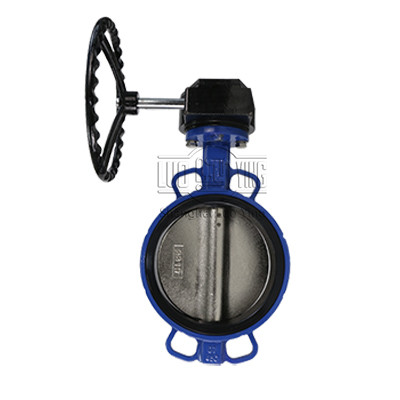
The rubber is injection moulded directly on the valve body forming a permanent bond. Consequently, there is no risk of deformation or dislocation of the liner making the valves suitable under vacuum conditions. The combination of the profiled disc edge and the excellent rubber quality ensures maximum durability of the liner.
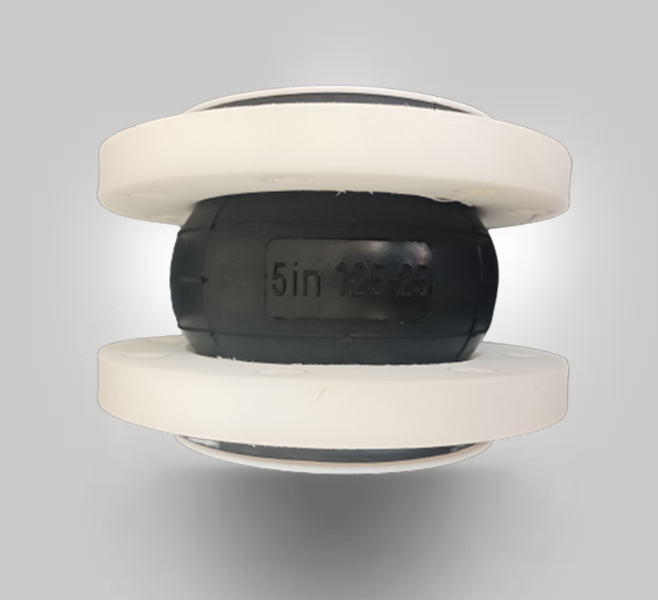
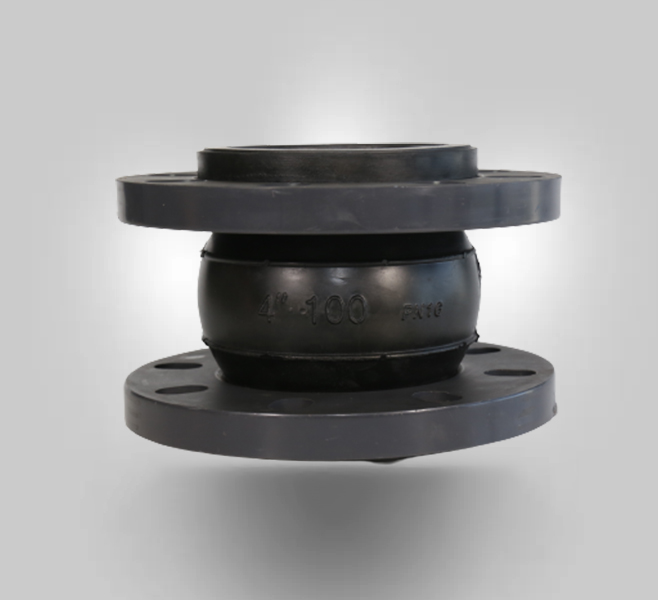
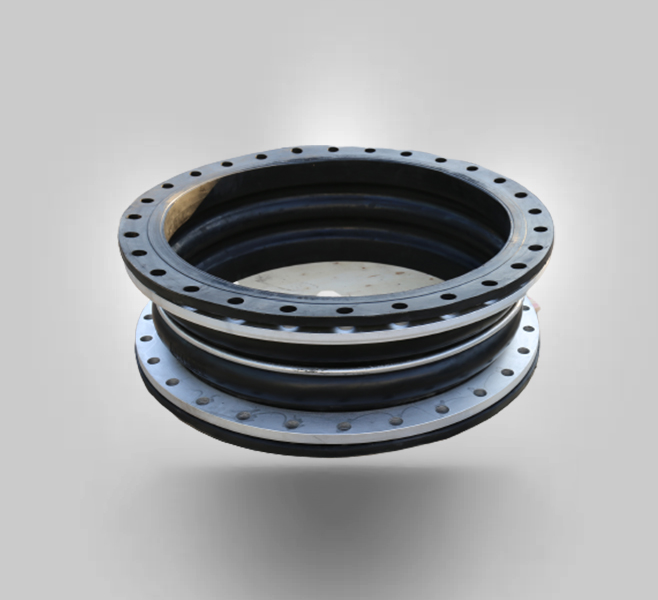
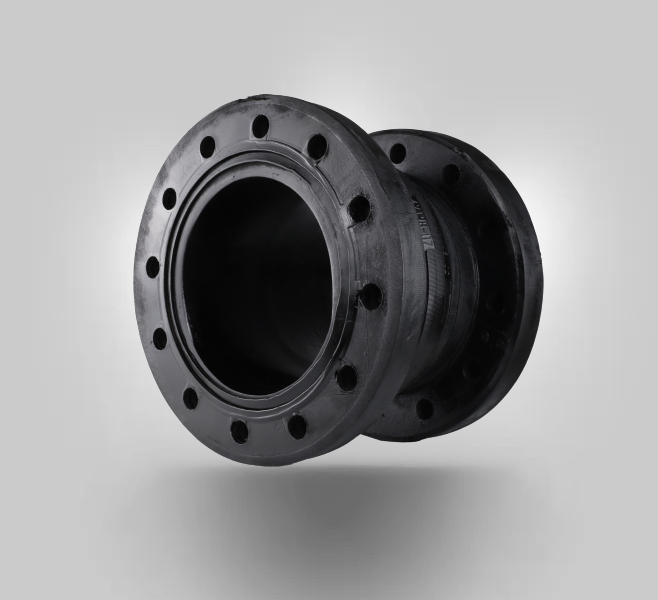
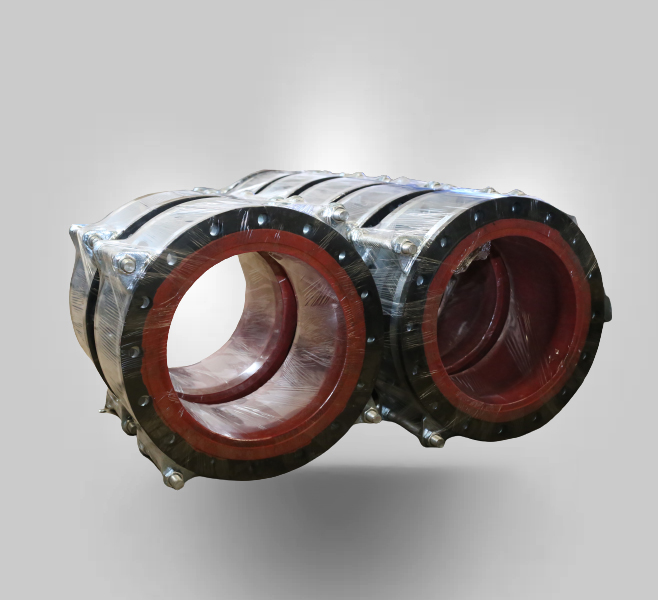
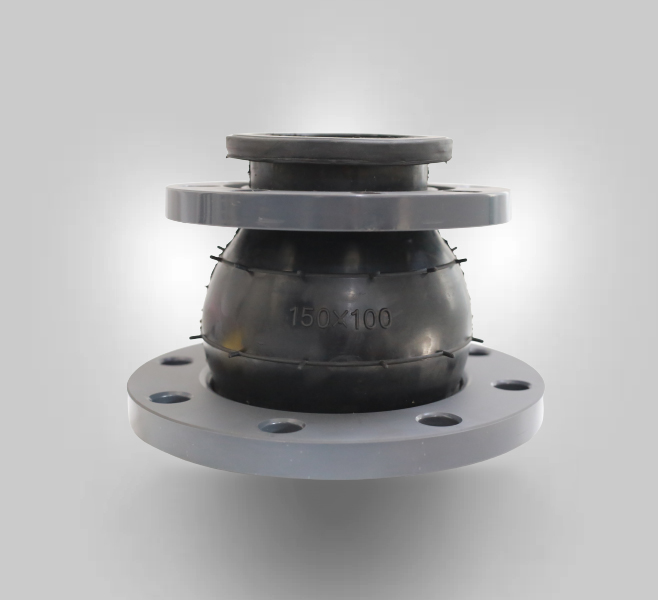
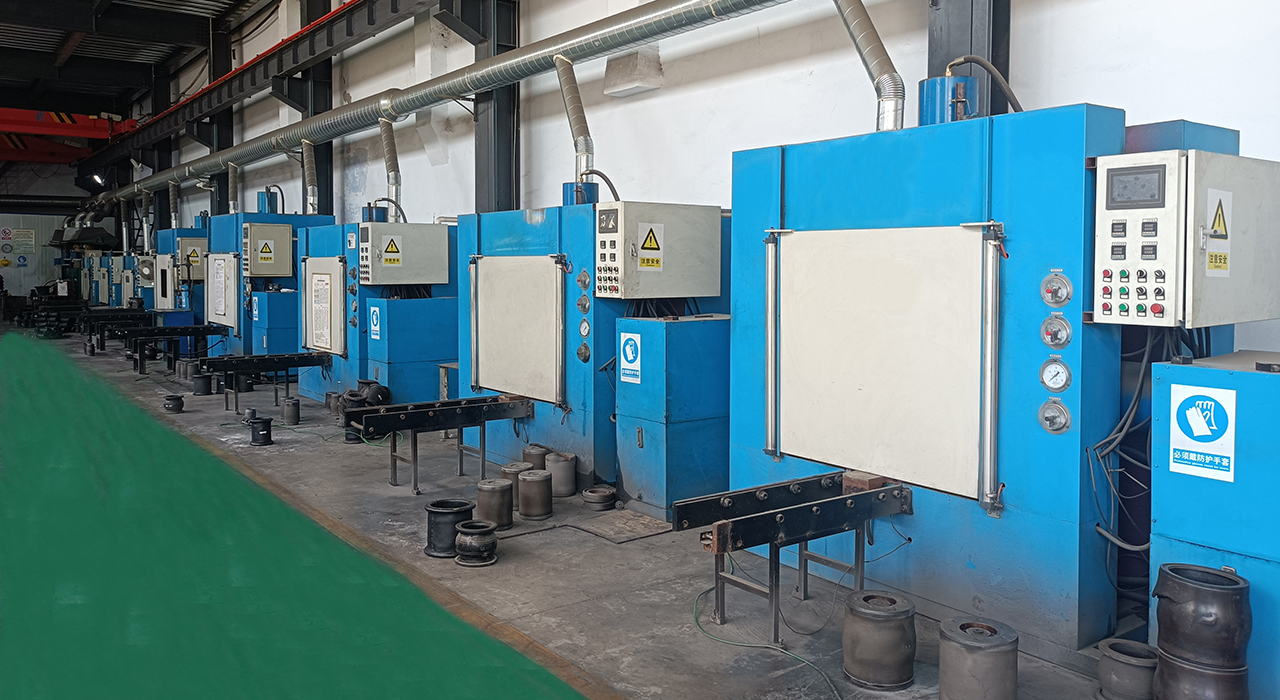
Rubber expansion joints are mainly manufactured by manual wrapping of rubber sheets and fabric reinforced rubber sheets around a bellows-shaped product mandrel. Besides rubber and fabric, reinforced rubber and/or steel wires or metal rings are added for additional reinforcement. After the entire product is built up on the mandrel, it is covered with a winding of (nylon) peel ply to pressurize all layers together. Because of the labor-intensive production process, a large part of the production has moved to eastern Europe and Asian countries.
Some types of rubber expansion joints are made with a molding process. Typical joints that are molded are medium-sized expansion joints with bead rings, which are produced in large quantities. These rubber expansion joints are manufactured on a cylindrical mandrel, which is wrapped with bias cut fabric ply. At the end the bead rings are positioned and the end sections are folded inwards over the bead rings. This part is finally placed in a mold and molded into shape and vulcanized. This is a highly automated solution for large quantities of the same type of joint.
New technology has been developed to wind rubber and reinforcement layers on the (cylindrical or bellows-shaped) mandrel automatically using industrial robots instead of manual wrapping. This is fast and accurate and provides repeatable high quality. Another aspect of using industrial robots for the production of rubber expansion joints is the possibility to apply an individual reinforcement layer instead of using pre-woven fabric. The fabric reinforcement is pre-woven and cut at the preferred bias angle. With individual reinforcement it is possible to add more or less fiber material at different sections of the product by changing the fiber angles over the length of the product.
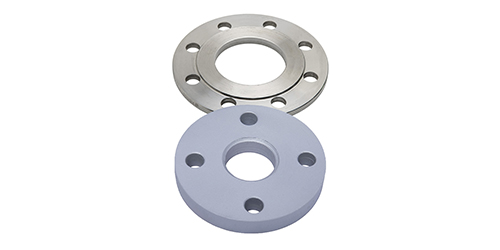
Piping components can be bolted together between flanges. Flanges are used to connect pipes with each other, to valves, to fittings, and to specialty items such as strainers and pressure vessels. A cover plate can be connected to create a "blind flange" Flanges are joined by bolting, and sealing is often completed with the use of gaskets or other methods. Mechanical means to mitigate effects of leaks, like spray guards or specific spray flanges, may be included. Industries where flammable, volatile, toxic or corrosive substances are being processed have greater need of special protection at flanged connections. Flange guards can provide that added level of protection to ensure safety.
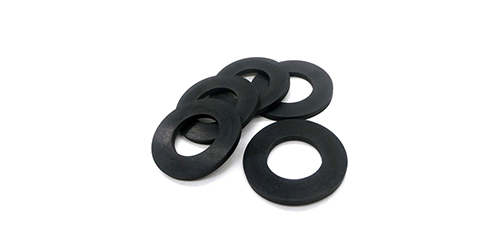
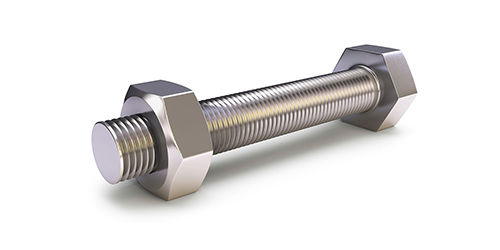
Fasteners are used for fastening and securing materials such as wood, metal, plastic, or concrete. They include nuts and bolts, threaded rods, structural bolts, machine screws, wedge anchors, washers, rivets, and more in a variety of types and sizes, including metric and inch.
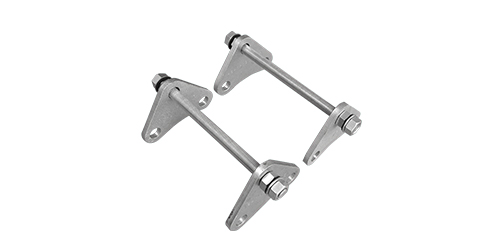
In systems that have a media with significant particulate content (i.e. flash or catalyst), a barrier of ceramic fiber can be utilized to prevent corrosion and restricted bellows flexibility resulting from the accumulation of the particulate. Purge connectors may also be utilized to perform this same function. Internal liners must also be included in the design if the expansion joint includes purge connectors or particulate barriers.
A gasket is a mechanical seal which fills the space between two or more mating surfaces, generally to prevent leakage from or into the joined objects while under compression. It is a deformable material that is used to create a static seal and maintain that seal under various operating conditions in a mechanical assembly.
