

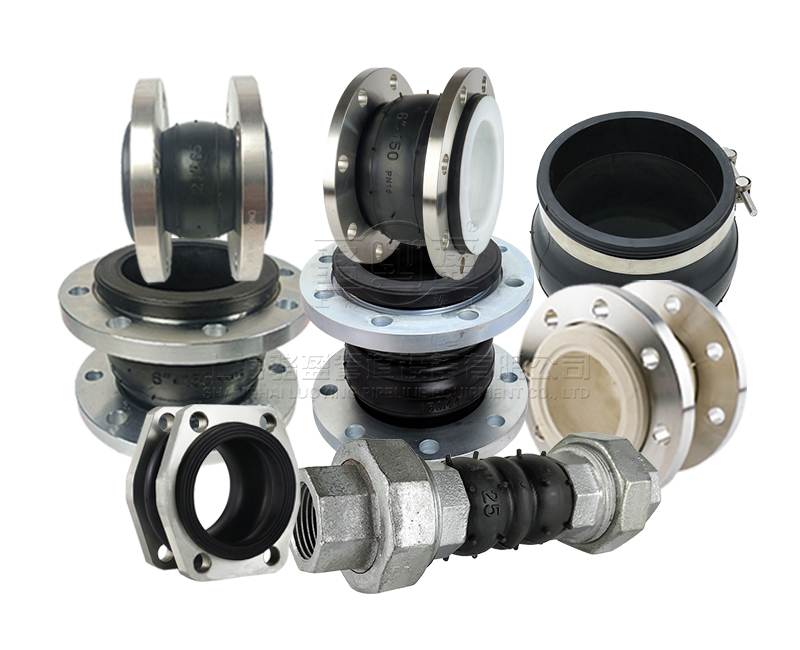
Резиновый уплотняющий сустав представляет собой гибкую установку, изготовленную из натуральных или синтетических эластомеров или флюоропластика, и в случае необходимости дополнительно укрепляет колодезь (сталь, нейлон или арамид).Резиновые стыки расширения являются идеальным решением для трубопроводных систем для поглощения движений, вибраций или шума, что приводит к значительному увеличению срока службы трубной работы и подключенного оборудования.
Стыки расширения предназначены для поглощения движения труб и нагрузки при изоляции механической вибрации.Они снижают уровень шума в системе, устраняют электролиз и компенсируют смещение или регулировку трубы.Они, как правило, определяются в ходе проектирования системы и обычно встречаются в системах кондиционирования воздуха или отопления, нефтехимических установках, электростанциях, судах, сталелитейных заводах, целлюлозно-бумажных заводах, системах водоснабжения и канализации и других промышленных трубопроводных системах.Стыки расширения должны устанавливаться между двумя стационарными якорными точками в системе.Для предотвращения повреждений, вызванных чрезмерным движением, во всех случаях рекомендуется использовать блоки управления стержнями/ограничителями.Со временем стыки расширения должны подвергаться проверке, техническому обслуживанию и замене.
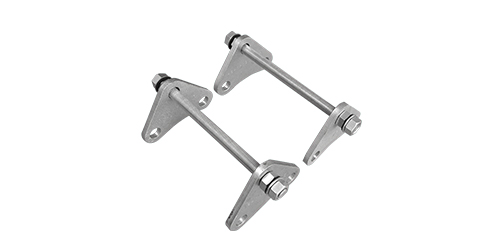
Наши резиновые вкладыши и покрытия могут быть изготовлены практически из любого типа синтетического или натурального эластомера.Птфэ лайнеры также вариант.Для расширения возможностей движения мы можем построить удлинительные суставы с двойными, тройными или даже четырехкратными арками.Для применения в осадочных отложениях или высокоскоростных средах имеются готовые арки.Чтобы приспособиться к изменениям размеров труб, мы предлагаем либо концентрические, либо эксцентричные суставы.Для основных гибких соединений и снижения шума на насосах рассмотрим наши сферические стыки расширения с вращающимися стальными фланцами.Необходимые аксессуары для большинства совместных приложений резинового расширения включают в себя удерживающие кольца и блоки управления.Одним из вариантов является также использование защитных экранов.
Химическая промышленность, строительство, водоснабжение, дренаж, нефтедобыча, легкая и тяжелая промышленность, холодильная техника, санитария, сантехника, пожаротушение, электроэнергетика и т.д.
Масло, кислота и щелочи, высокая температура и другие коррозионные и твердые вещества

LUOYING
До DN 5000
До 25 барг / 362 psi
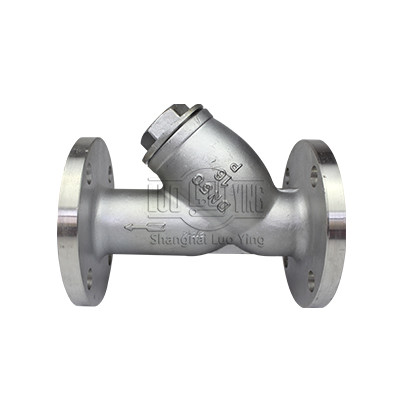
Трубный фильтр типа Y-это своего рода устройство, используемое для транспортировки среды, в основном установленное на входных воротах гидравлических у...
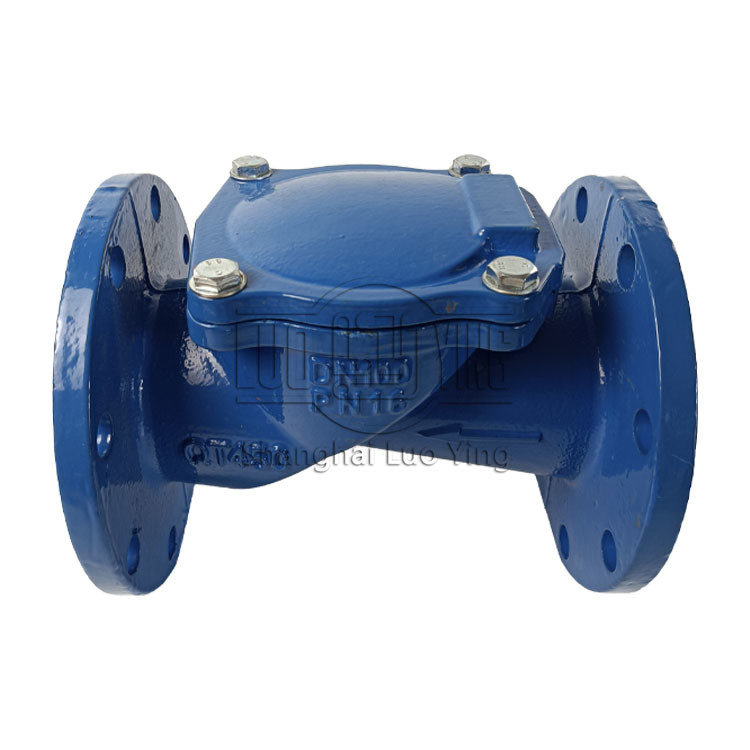
Резиновые клапаны Flapper Swing отличаются уникальной, простой конструкцией, имеющей только одну движущую деталь.Флаппер не раскачивается с петли;Он п...
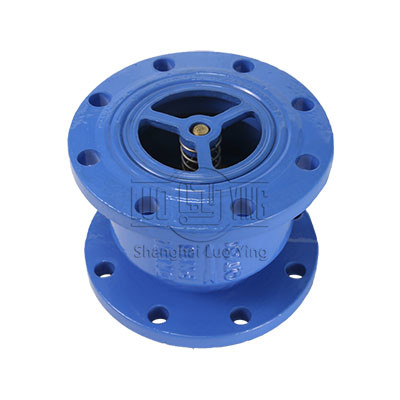
Немой контрольный клапан является предпочтительным выбором в тех случаях, когда негласное функционирование и издержки вызывают серьезную озабоченность...
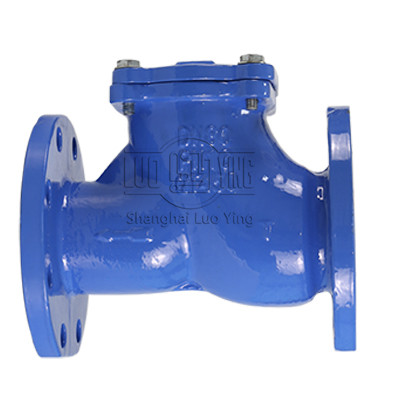
Шаровый контрольный клапан подходит для использования в загрязненной среде, так как шарообразный клапан предотвращает образования грязи.Клапан предназ...
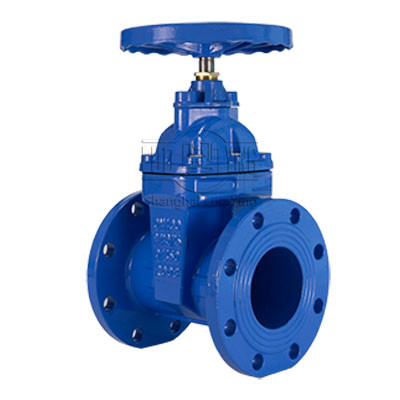
Когда этот клапан с двусторонним потоком полностью открыт, диаметр ворот и трубопровода одинаков и наблюдается очень низкая потеря головы.
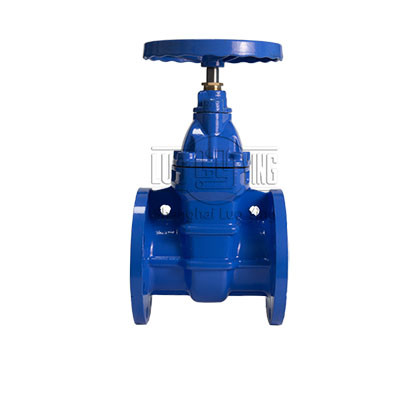
Запорный клапан представляет собой полный внутренний клапан.Благодаря металлическому сиденю эти клапаны способны реагировать на специфические условия ...
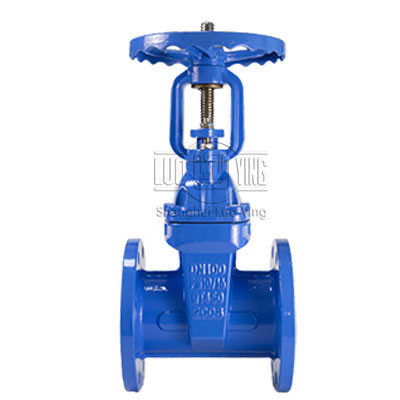
Запорный клапан представляет собой полный внутренний клапан.Благодаря металлическому сиденю эти клапаны способны реагировать на специфические условия ...
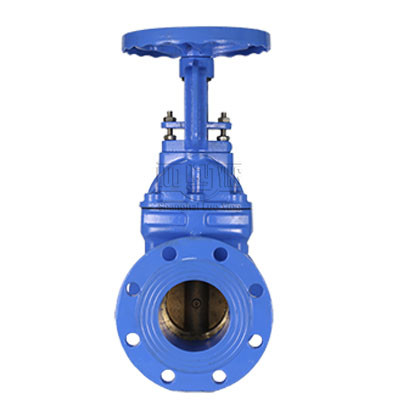
Запорный клапан представляет собой полный внутренний клапан.Благодаря металлическому сиденю эти клапаны способны реагировать на специфические условия ...
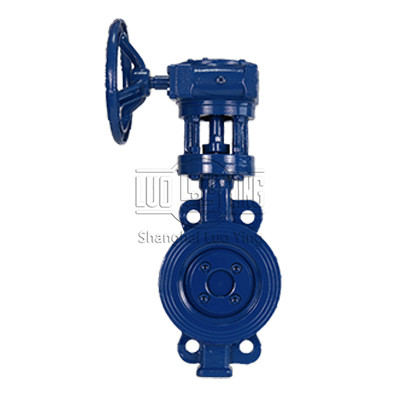
Клапаны бабочек предназначены для эффективной с точки зрения затрат изоляции трубопроводов и пригодны для использования в водопроводной и неводопровод...
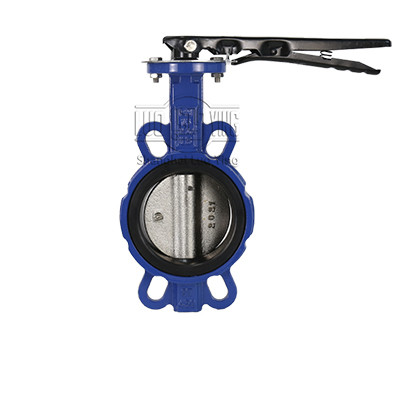
Клапан бабочки с твердым фенольным сиденьем, штифтом или расщепленным соединением между диском и стеблем, как в вафельном, так и в lug стиле.Подходит ...
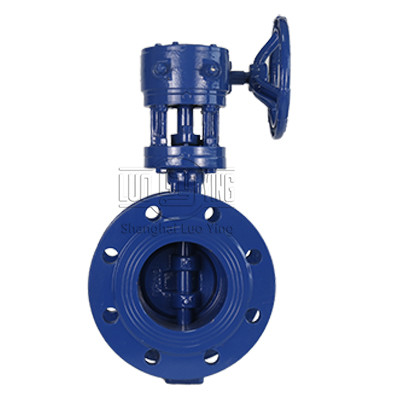
Подходит для монтажа между фланцами и может использоваться во многих общих областях, таких как распределение воды, очистка воды, плотины, электростанц...
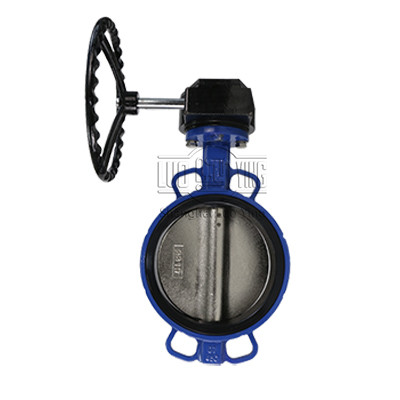
Резина формована для впрыска непосредственно на корпусе клапана, образуя постоянный узел.Следовательно, отсутствует риск деформации или смещения корпу...
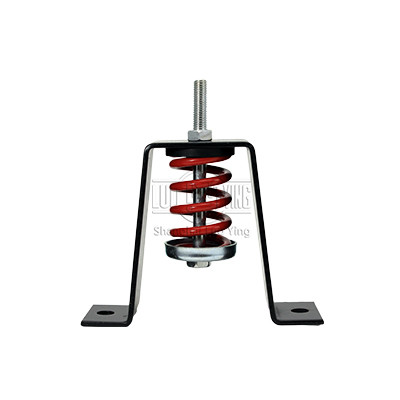
В простом виде амортизаторы подвески амортизаторы представляют собой гидравлические (масляные) насосы, подобные тем, которые помогают контролировать у...
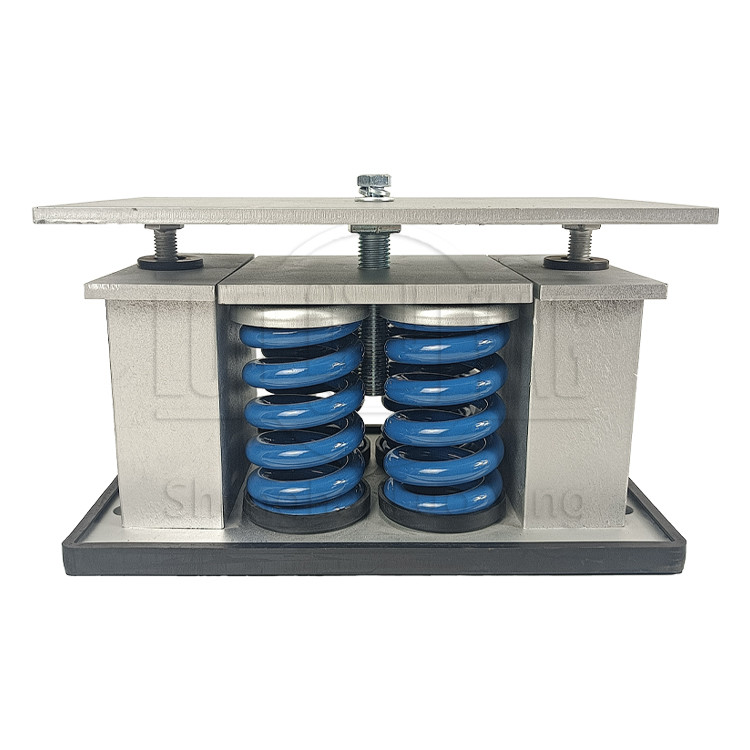
Вибрационные изоляторы типа JA состоят из отдельных, больших по диаметру, бокоустойчиво расположенных стальных пружин, собранных в сварные стальные сб...
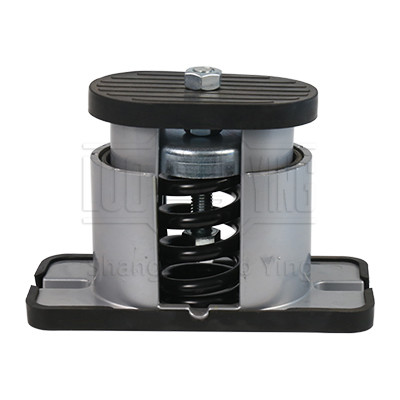
Пружинные эластомерные изоляторы серии JB отлиты алюминиевыми, регулируемыми пружинными изоляторами с телескопической верхней и нижней секциями, разде...
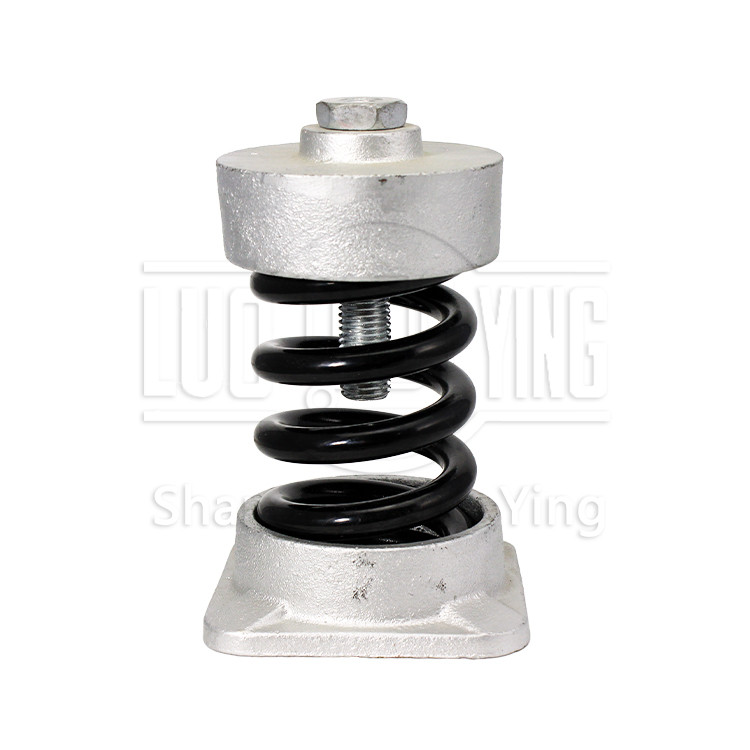
Springs have corrosion resistance epoxy powder coated finish, rated to withstand 1000 hours of salt spray testing as per test method ASTM B117.Springs have a deflection of 25mm at rated load and are designed with 50% overload capacity, to compensate for unexpected load variations and to reduce operating stress.The steel reinforced molded elastomeric load cup with 8-10mm thick ribbed base act as noise breaks for high frequencies in the audible range.
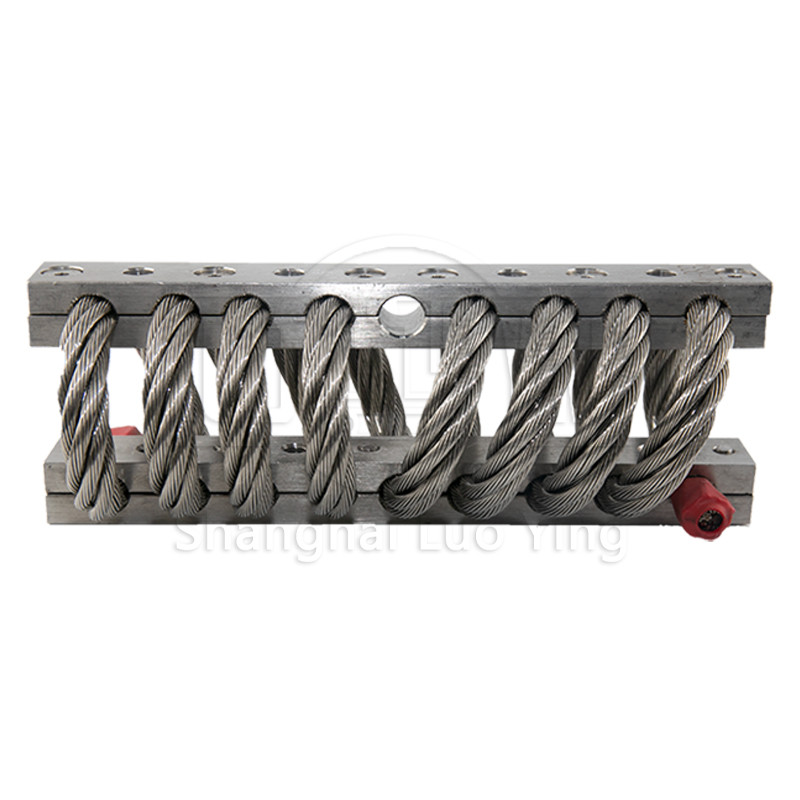
Максимальное динамическое смещение составляет более 70% площади, занимаемой монтируется, динамическая жесткость уменьшается при увеличении смещения.Вы...
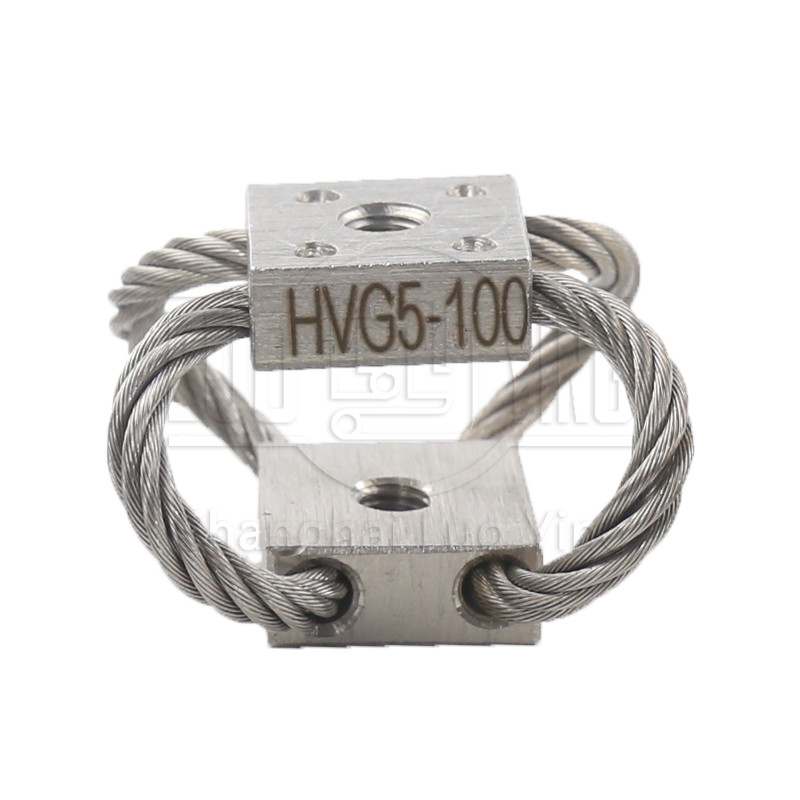
Изоляторы канатной проволоки HVG представляют собой специальные изоляторы канатной проволоки небольшого размера для применения в условиях ограниченног...
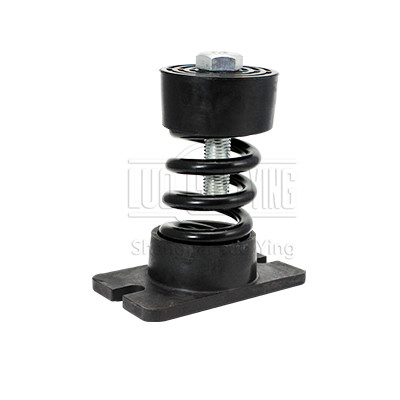
Разница между пружинным вибрационным изолятором JD-типа и JC-типом заключается в Том, что базовая площадь продукта удвоилась.
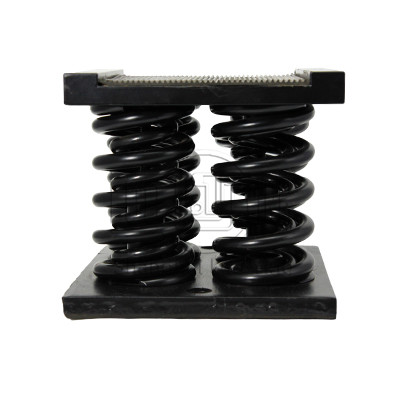
Комбинированный пружинный вибрационный изолятор типа JS использует несколько комбинированных пружин как основной корпус, верхнюю и нижнюю конфигурацию...
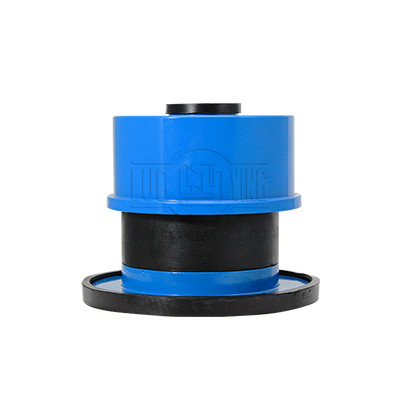
ZTA тип демпингового изолятора вибрации пружин основные характеристики и применение: ZTG тип демпингового изолятора вибрации пружин состоит из пружины...
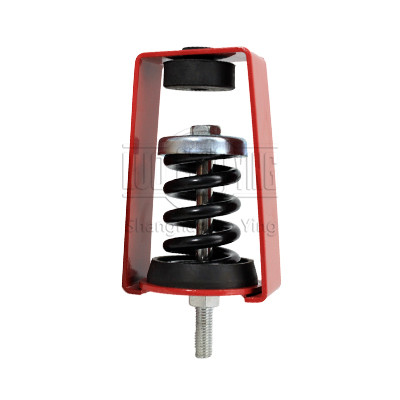
Виброизолятор пружинной вибрации типа ZTY используется в фанкойле и другом небольшом оборудовании вибрационной влажности, при установке центрального к...
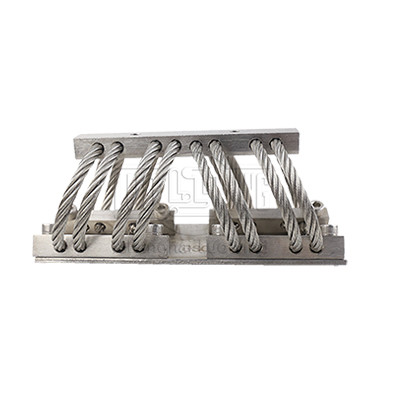
Виброизолятор серии GSG из нержавеющей стали виброизолятор представляет собой новый виброизолятор, переработанный и разработанный на основе виброизоля...
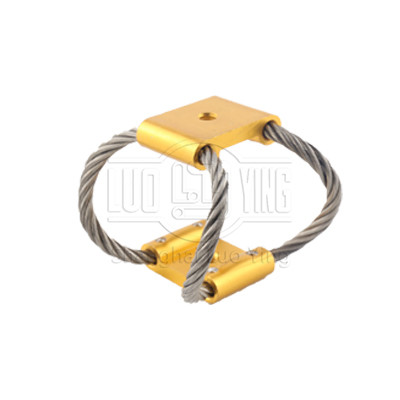
Продукт имеет всеобъемлющую функцию и эффект вибрационной изоляции и буферизации, а конструкция компактна и проста.
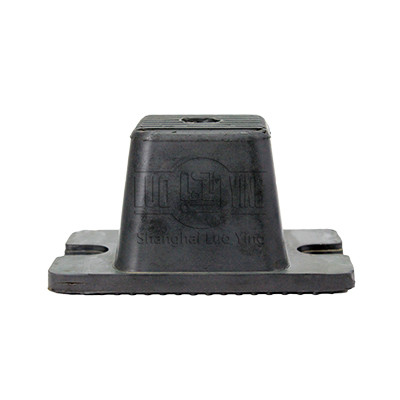
Вибрационные изоляторы резины резины разработаны специально для того, чтобы обеспечить высокую грузоподъемность с относительно большими статическими д...
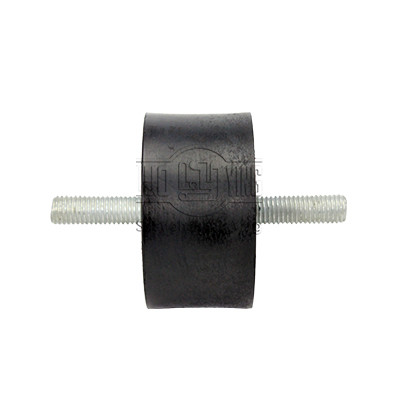
Резиновый амортизатор YZT может эффективно выдерживать все уровни нагрузки и деформации широкого диапазона, особенно подходит для установки электронны...
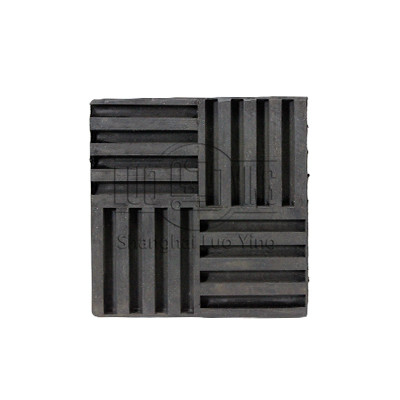
SD резиновая влажная прокладка оказывает хорошее влияние на пассивную вибрационную изоляцию прибора и измерителя, и эффект более очевиден для эффекта ...
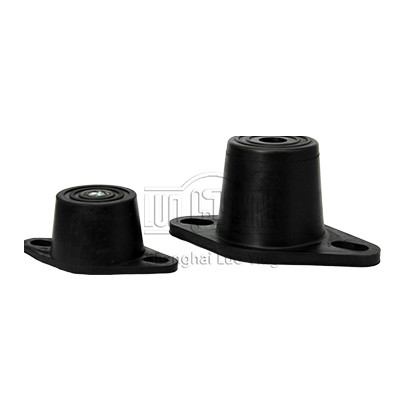
Резиновая смола RM имеет разумную конструкцию, как правило, применимую к малому и среднему оборудованию амортизирующему удары, стабильную работу, это ...
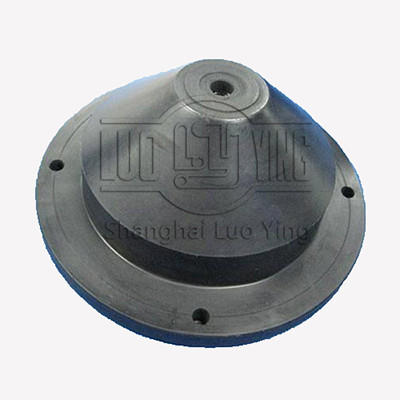
Резиновый амортизатор типа JSD состоит из металла и резинового композитного материала, поверхность покрыта резиной, может предотвратить коррозию метал...
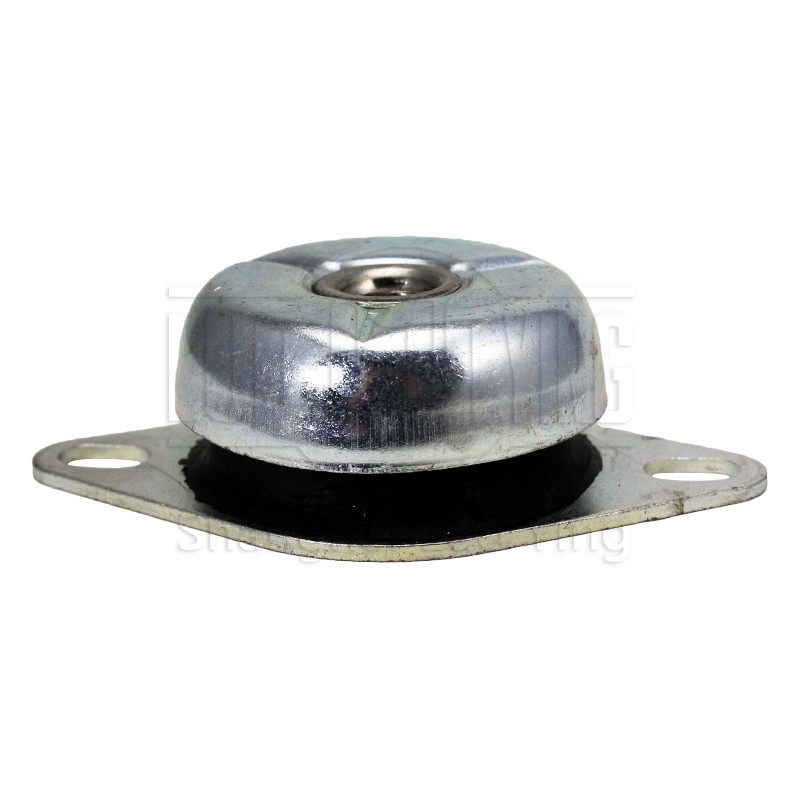
JNH крепления являются отказобезопасными морскими двигателями, которые имеют более высокий профиль, высокий профиль резины секции производит большие д...
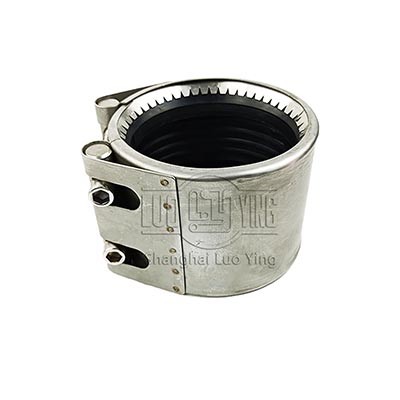
Использование высококачественной прокладки из нержавеющей стали и резины нитрила позволяет использовать продукт в различных областях применения от вод...
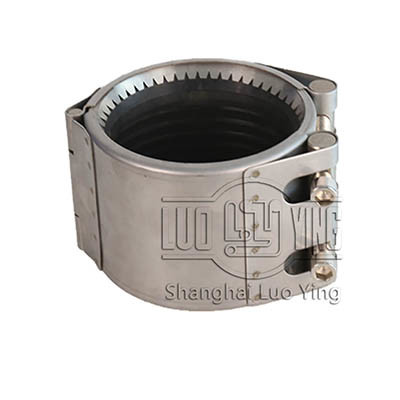
Использование высококачественной прокладки из нержавеющей стали и резины нитрила позволяет использовать продукт в различных областях применения от вод...
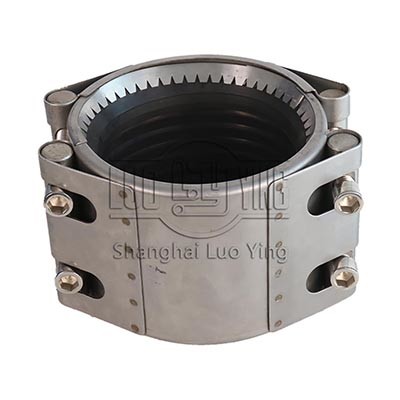
Утечка воды может привести к серьезным проблемам.Поврежденные трубы должны быть отремонтированы как можно скорее и безопасно, но и долговечно, чтобы п...
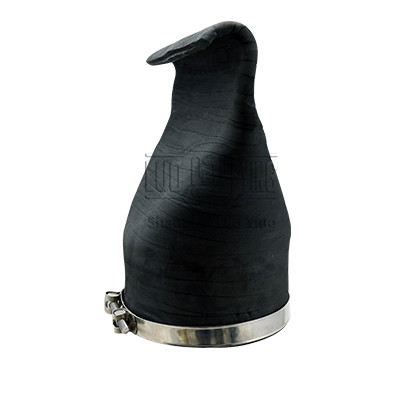
LUOYING Duckbill Check Valve — это надежное и экономичное решение для регулирования расхода.Резиновый уплотнительный клапан для сточных вод нашего пре...
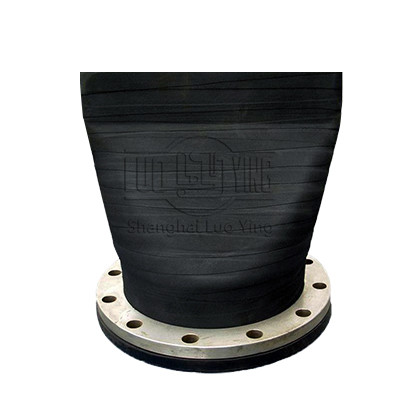
Клапаны Duckbill Check изготавливаются аналогично клапану Slip-on Duckbill Check Valve с добавлением интегрального эластомерного фланца.Фланцевый рези...
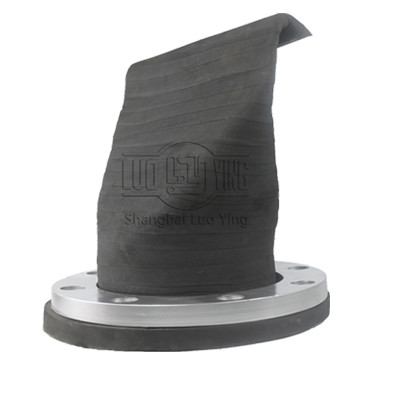
Фланцевый интегральный датчатый клапан является простым, надежным, экономичным методом предотвращения обратного потока.Фланец серии интегральный датча...
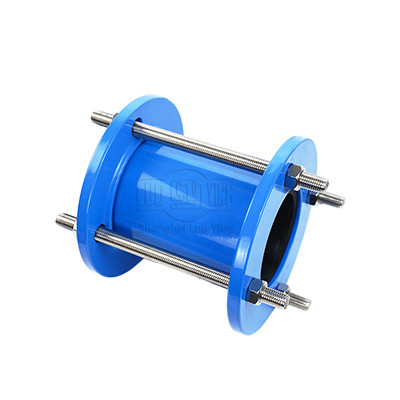
Комольный соединительный шарнир на основе освоения передовых зарубежных технологий в сочетании с фактическими потребностями в исследованиях и разработ...
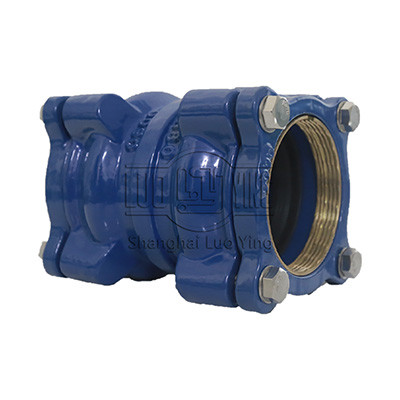
Между концами колец и рукава, сцепления кольца, пресс кольца и уплотнения расположены.При затягивании болтов концы прижимаются к рукаву.Резиновая прок...
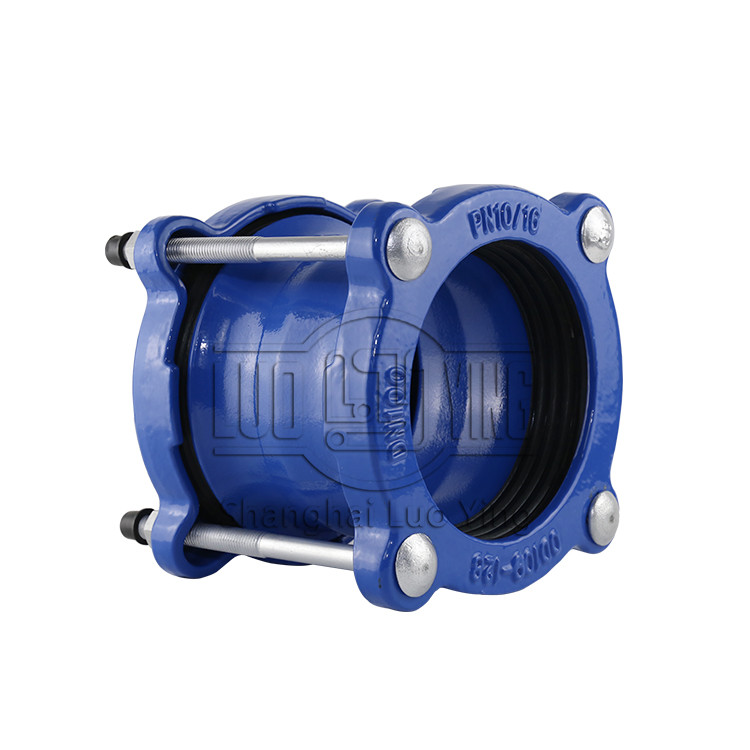
Используется для соединения двух труб или трубчатых днищ, предназначенных для соединения с трубами из различных материалов, или для использования толь...
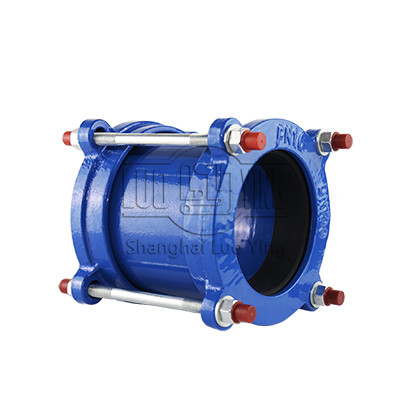
Расширительный сустав состоит в основном из тела, телескопического рукава, железы, уплотнительного кольца и болта.Телескопическое тело, телескопически...
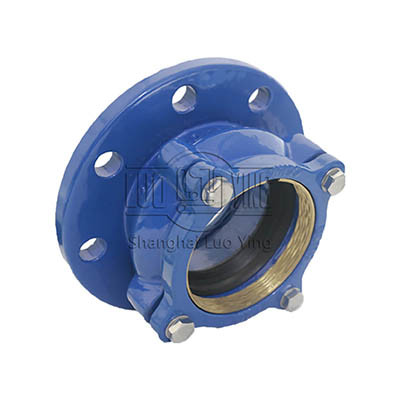
Соединение состоит из рукава, расположенного между двумя концами колец.Между концами колец и рукава, сцепления кольца, пресс кольца и уплотнения распо...
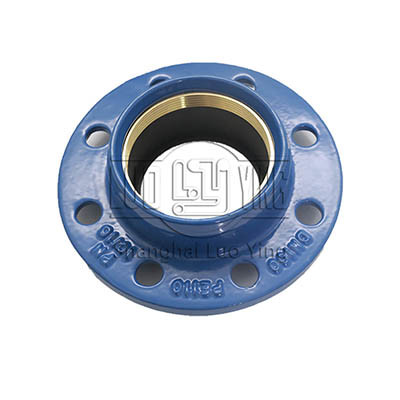
Разрывные комбинированные фланцы для труб из ПВХ, ПВХ и чугуна, а также нерастягивающие комбинированные фланцы для труб из ПВХ, стали и чугуна.Констру...
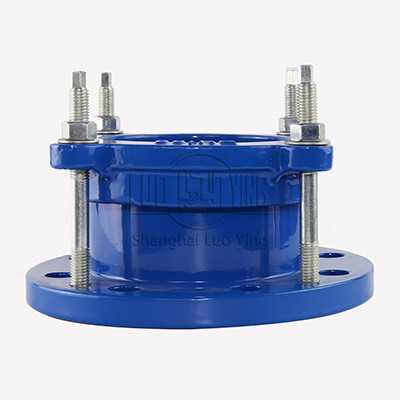
Универсальные прямые фитинги, ступенчатые фитинги и фланцевые адаптеры для чугунных, чугунных, стальных, упвц и асбестоцементных труб.Болты и гайки с ...
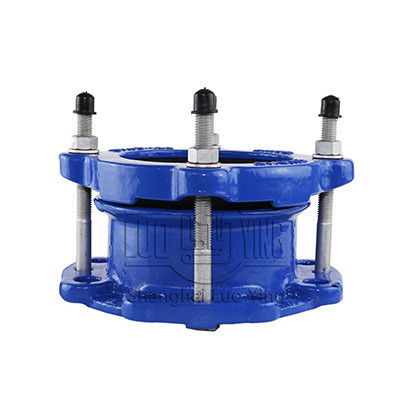
Фланцевые переходные соединительные муфты обеспечивают эффективное средство для встраивания фланца в трубопровод для соединения с другим фланцевым эле...
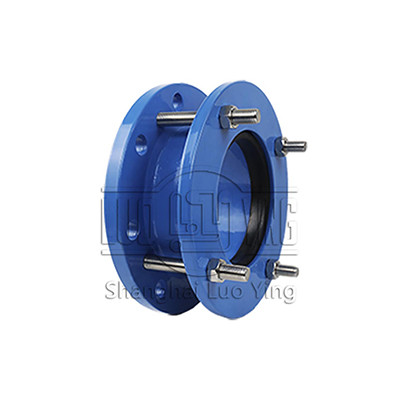
Фланцевые переходные соединительные муфты обеспечивают эффективное средство для встраивания фланца в трубопровод для соединения с другим фланцевым эле...
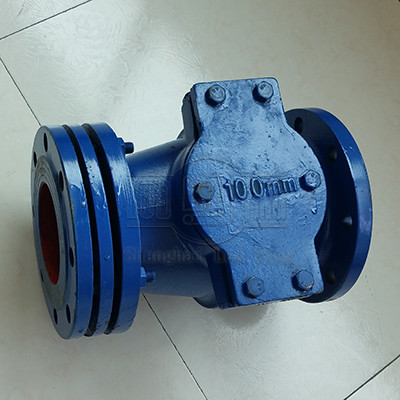
Новейшая конструкция для двойного использования — это новый трубопровод с его компактной структурой, небольшим размером и легким весом.1. 1-50-600 гор...
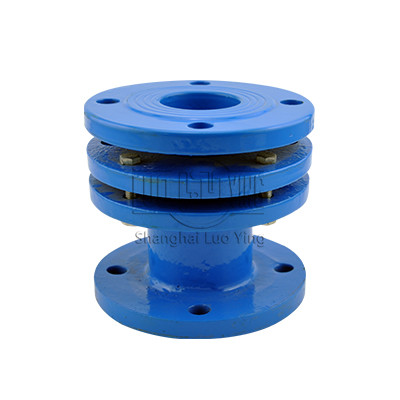
Гибкое расширение рукава сустава обеспечивает большие удобства для водоснабжения трубопровода, водонапорной башни, водяного насоса, счетчика воды и кл...
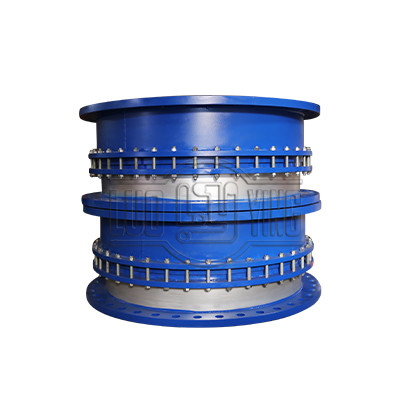
Термодинамический компенсатор в основном применяется осевая компенсация, также имеет более высокую гибкую способность, поэтому я не принимаю во вниман...
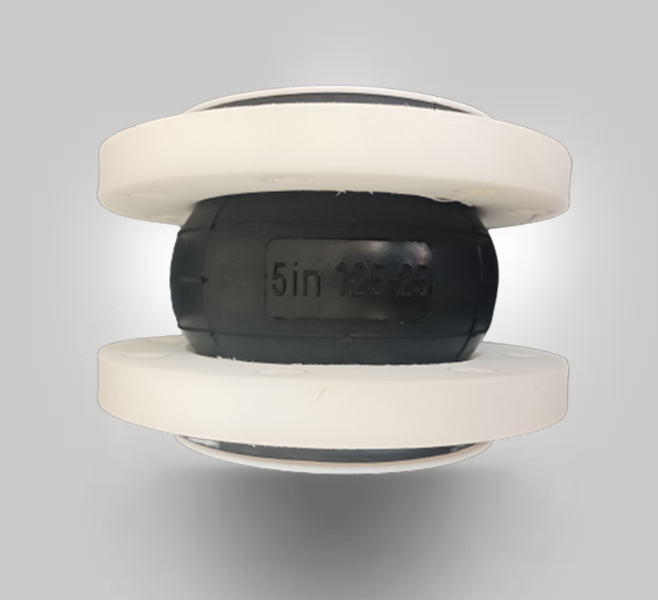
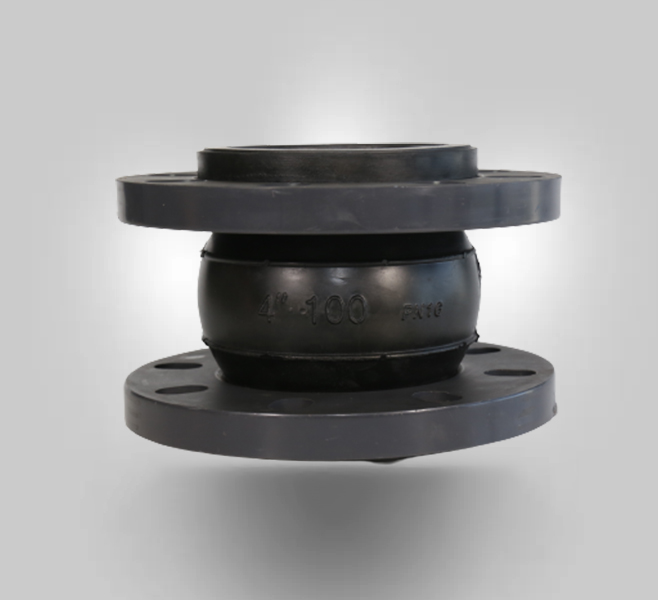
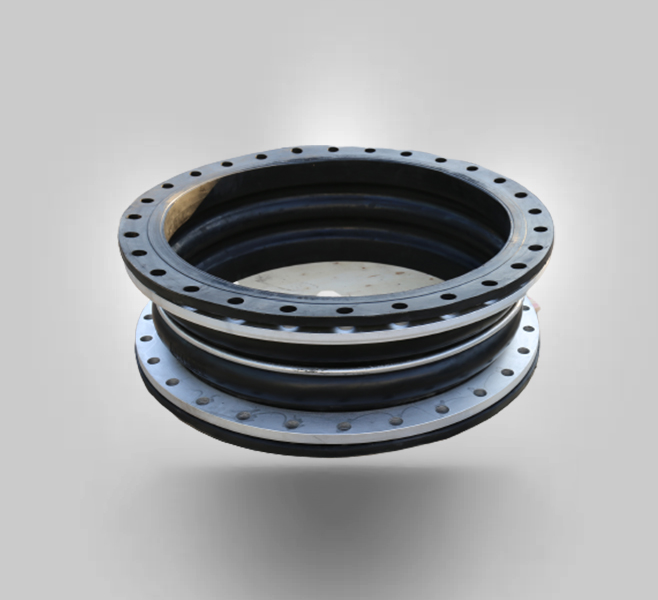
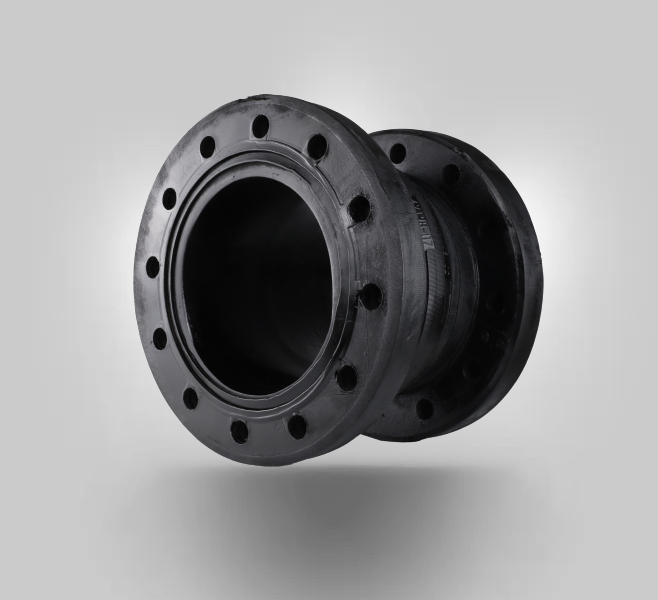
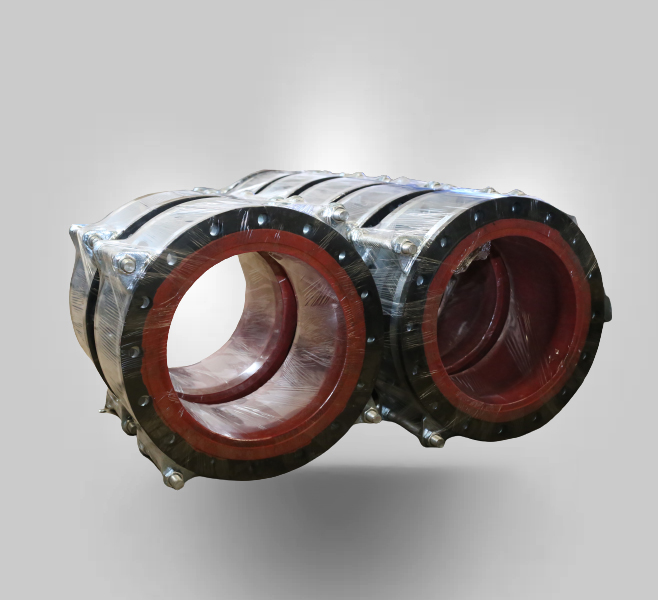
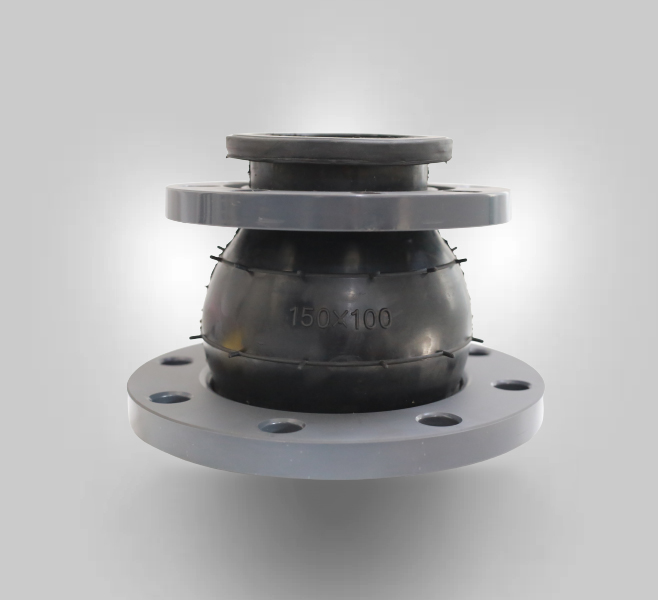
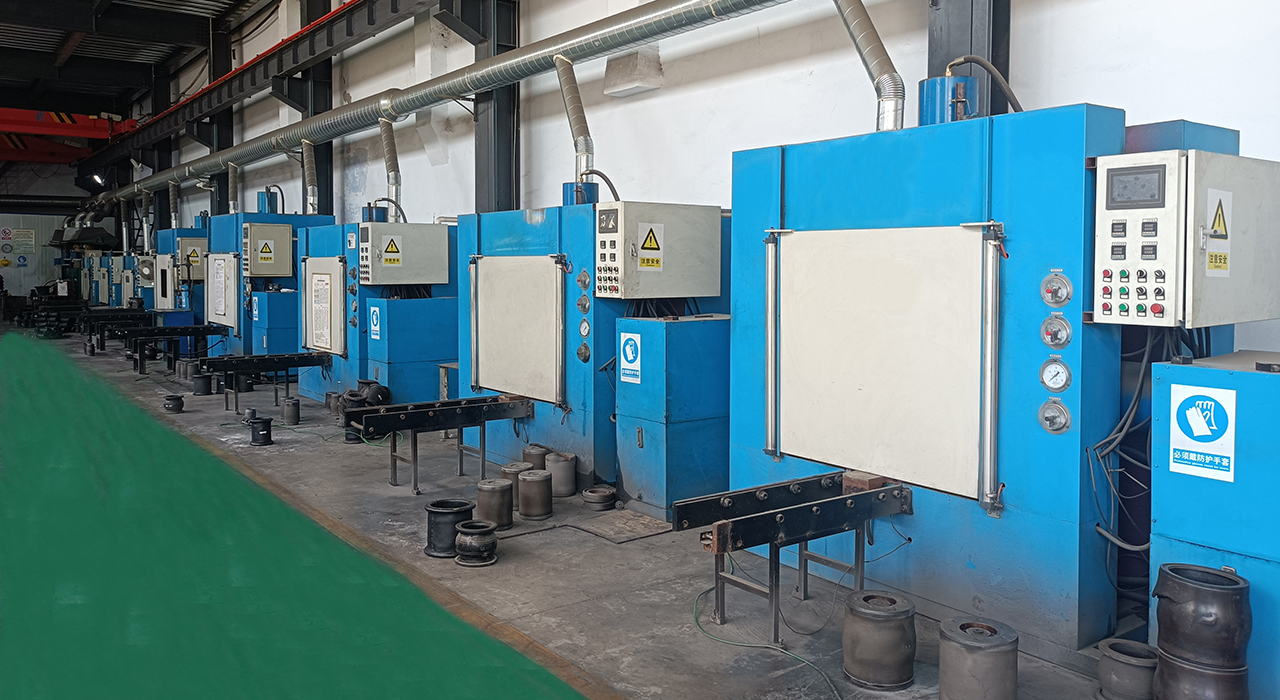
Rubber expansion joints are mainly manufactured by manual wrapping of rubber sheets and fabric reinforced rubber sheets around a bellows-shaped product mandrel. Besides rubber and fabric, reinforced rubber and/or steel wires or metal rings are added for additional reinforcement. After the entire product is built up on the mandrel, it is covered with a winding of (nylon) peel ply to pressurize all layers together. Because of the labor-intensive production process, a large part of the production has moved to eastern Europe and Asian countries.
Some types of rubber expansion joints are made with a molding process. Typical joints that are molded are medium-sized expansion joints with bead rings, which are produced in large quantities. These rubber expansion joints are manufactured on a cylindrical mandrel, which is wrapped with bias cut fabric ply. At the end the bead rings are positioned and the end sections are folded inwards over the bead rings. This part is finally placed in a mold and molded into shape and vulcanized. This is a highly automated solution for large quantities of the same type of joint.
New technology has been developed to wind rubber and reinforcement layers on the (cylindrical or bellows-shaped) mandrel automatically using industrial robots instead of manual wrapping. This is fast and accurate and provides repeatable high quality. Another aspect of using industrial robots for the production of rubber expansion joints is the possibility to apply an individual reinforcement layer instead of using pre-woven fabric. The fabric reinforcement is pre-woven and cut at the preferred bias angle. With individual reinforcement it is possible to add more or less fiber material at different sections of the product by changing the fiber angles over the length of the product.
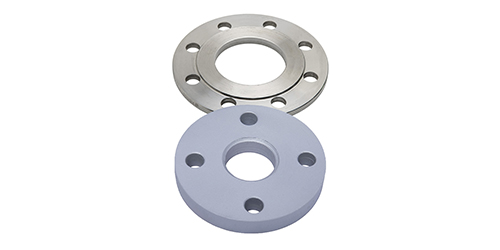
Piping components can be bolted together between flanges. Flanges are used to connect pipes with each other, to valves, to fittings, and to specialty items such as strainers and pressure vessels. A cover plate can be connected to create a "blind flange" Flanges are joined by bolting, and sealing is often completed with the use of gaskets or other methods. Mechanical means to mitigate effects of leaks, like spray guards or specific spray flanges, may be included. Industries where flammable, volatile, toxic or corrosive substances are being processed have greater need of special protection at flanged connections. Flange guards can provide that added level of protection to ensure safety.
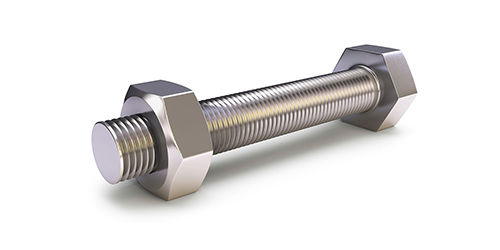
Fasteners are used for fastening and securing materials such as wood, metal, plastic, or concrete. They include nuts and bolts, threaded rods, structural bolts, machine screws, wedge anchors, washers, rivets, and more in a variety of types and sizes, including metric and inch.
In systems that have a media with significant particulate content (i.e. flash or catalyst), a barrier of ceramic fiber can be utilized to prevent corrosion and restricted bellows flexibility resulting from the accumulation of the particulate. Purge connectors may also be utilized to perform this same function. Internal liners must also be included in the design if the expansion joint includes purge connectors or particulate barriers.
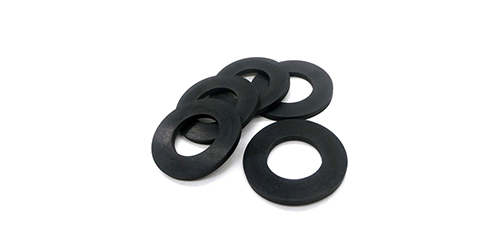
A gasket is a mechanical seal which fills the space between two or more mating surfaces, generally to prevent leakage from or into the joined objects while under compression. It is a deformable material that is used to create a static seal and maintain that seal under various operating conditions in a mechanical assembly.