
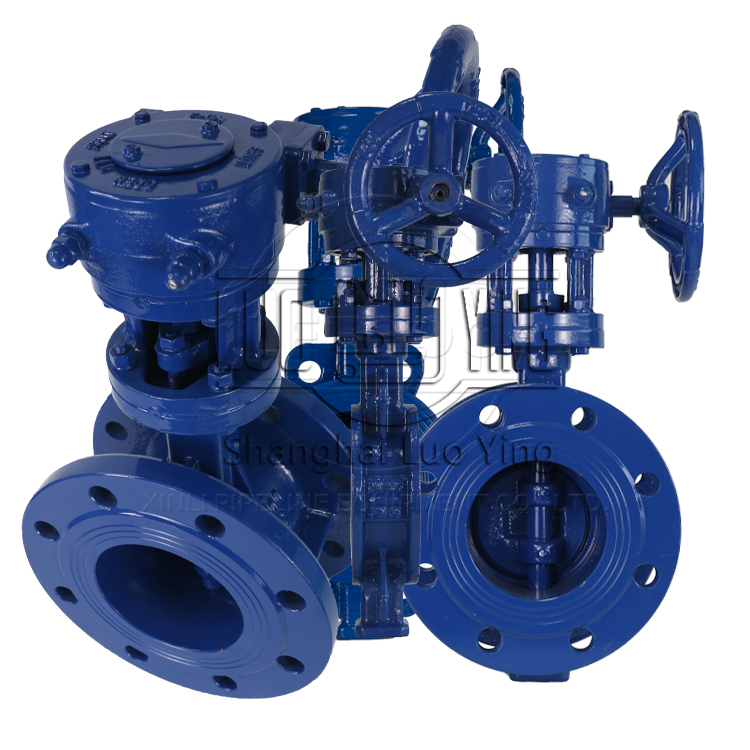
Клапаны встречаются практически во всех промышленных процессах, включая водоочистку и канализацию, горнодобывающую промышленность, энергетику, переработку нефти, газа и нефти, пищевую промышленность, химическую и пластмассовую промышленность и многие другие области.
Люди в развитых странах используют клапаны в своей повседневной жизни, включая водопроводные клапаны, такие как краны для водопроводной воды, газовые регуляторные клапаны на плитах, небольшие клапаны, установленные на стиральных машинах и посудомоечных машинах, предохранительные устройства, установленные на системах горячего водоснабжения, и клапаны для разворота автомобилей.
В природе существуют клапаны, например, в венах с односторонним движением, контролирующие кровообращение, и сердечные клапаны, контролирующие кровоток в камерах сердца и поддерживающие правильное действие насоса.
Клапаны могут приводиться в действие вручную с помощью ручки, рычага, педали или колеса.Клапаны могут быть также автоматическими в зависимости от изменения давления, температуры или расхода.Эти изменения могут воздействовать на диафрагму или поршни, которые в свою очередь активируют клапан; примерами такого типа клапанов, как правило, являются предохранительные клапаны, установленные на системах горячей воды или котлах.
Более сложные системы управления, использующие клапаны, требующие автоматического управления на основе внешнего входного сигнала (например, регулирование потока через трубу в изменяющуюся заданную точку), требуют наличия привода.Привод работает на клапан в зависимости от его ввода и установки, что позволяет точно установить клапан и контролировать выполнение различных требований.
Клапаны сильно различаются по форме и применению.Размеры [неоднозначные], как правило, варьируются от 0,1 мм до 60 см.Специальные клапаны могут иметь диаметр более 5 метров.Расходы на клапаны варьируются от простых недорогих одноразовых клапанов до специализированных клапанов, которые стоят тысячи долларов США за дюйм диаметра клапана.
Одноразовые клапаны можно найти в обычных бытовых предметах, включая мини-насосные распылители и аэрозольные емкости.
Широко используется термин "клапан" применительно к клапанам, установленным в подавляющем большинстве современных двигателей внутреннего сгорания, например в большинстве транспортных средств, работающих на ископаемом топливе, которые используются для регулирования всасывания топливно-воздушной смеси и обеспечения выпуска выхлопных газов.

LUOYING
DN15-DN1200,
- 16 бар
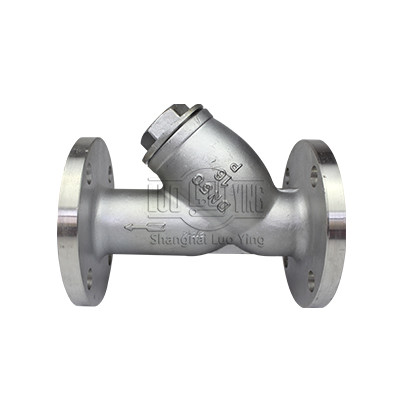
Трубный фильтр типа Y-это своего рода устройство, используемое для транспортировки среды, в основном установленное на входных воротах гидравлических у...
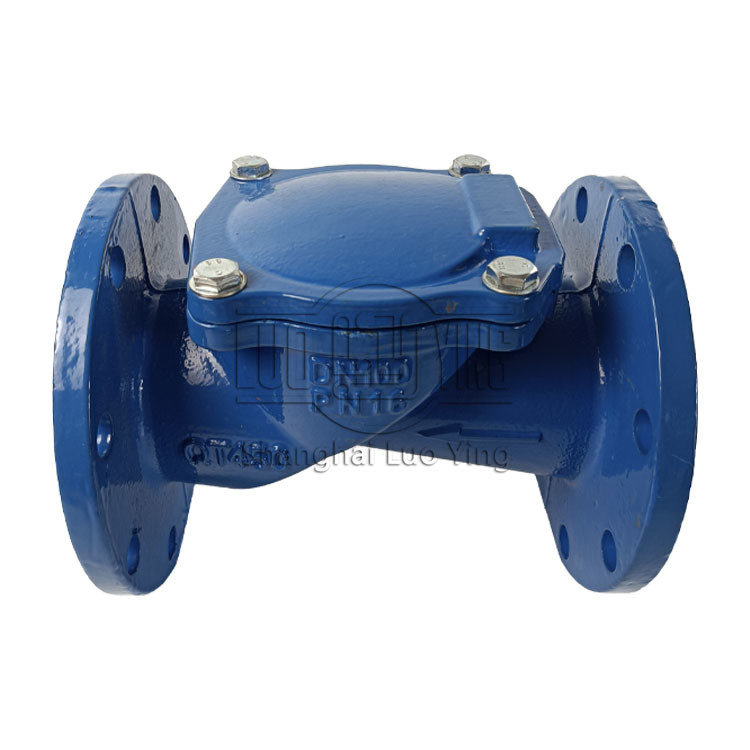
Резиновые клапаны Flapper Swing отличаются уникальной, простой конструкцией, имеющей только одну движущую деталь.Флаппер не раскачивается с петли;Он п...
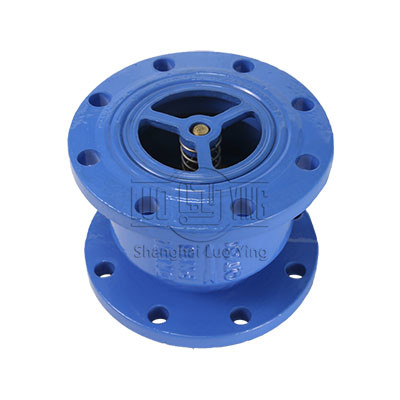
Немой контрольный клапан является предпочтительным выбором в тех случаях, когда негласное функционирование и издержки вызывают серьезную озабоченность...
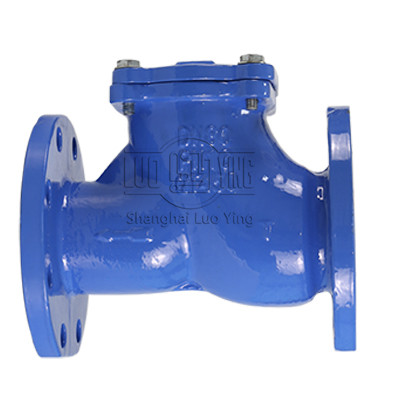
Шаровый контрольный клапан подходит для использования в загрязненной среде, так как шарообразный клапан предотвращает образования грязи.Клапан предназ...
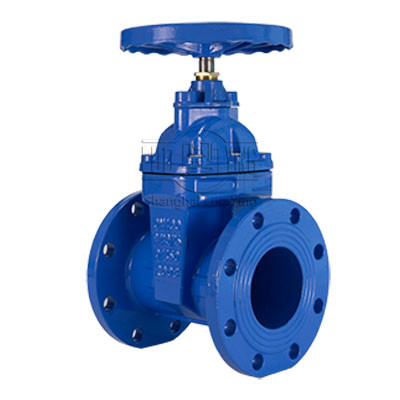
Когда этот клапан с двусторонним потоком полностью открыт, диаметр ворот и трубопровода одинаков и наблюдается очень низкая потеря головы.
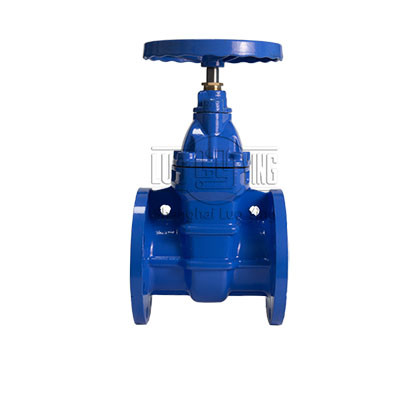
Запорный клапан представляет собой полный внутренний клапан.Благодаря металлическому сиденю эти клапаны способны реагировать на специфические условия ...
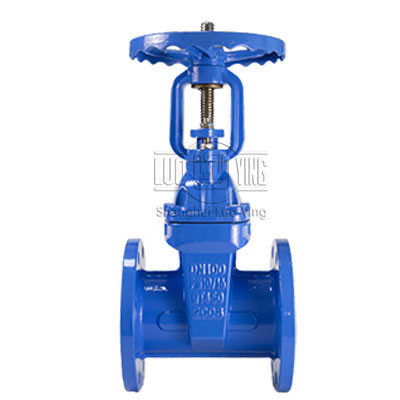
Запорный клапан представляет собой полный внутренний клапан.Благодаря металлическому сиденю эти клапаны способны реагировать на специфические условия ...
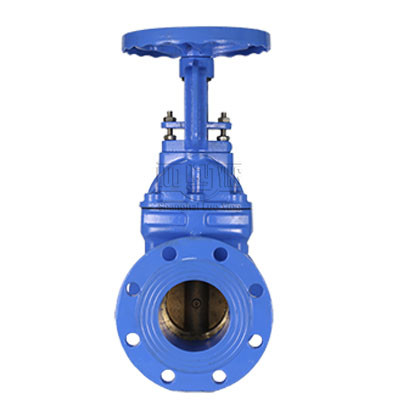
Запорный клапан представляет собой полный внутренний клапан.Благодаря металлическому сиденю эти клапаны способны реагировать на специфические условия ...
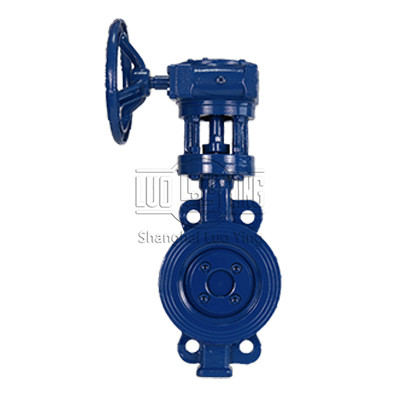
Клапаны бабочек предназначены для эффективной с точки зрения затрат изоляции трубопроводов и пригодны для использования в водопроводной и неводопровод...
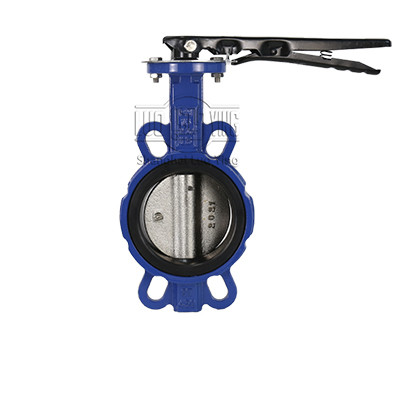
Клапан бабочки с твердым фенольным сиденьем, штифтом или расщепленным соединением между диском и стеблем, как в вафельном, так и в lug стиле.Подходит ...
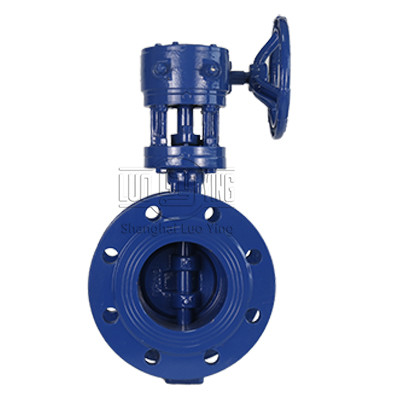
Подходит для монтажа между фланцами и может использоваться во многих общих областях, таких как распределение воды, очистка воды, плотины, электростанц...
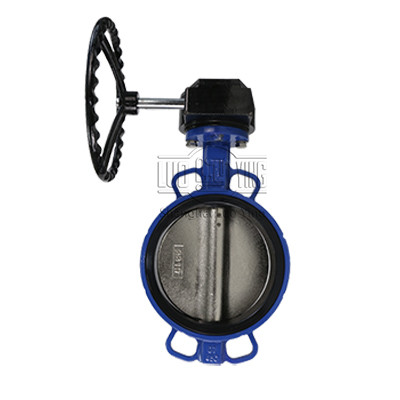
Резина формована для впрыска непосредственно на корпусе клапана, образуя постоянный узел.Следовательно, отсутствует риск деформации или смещения корпу...
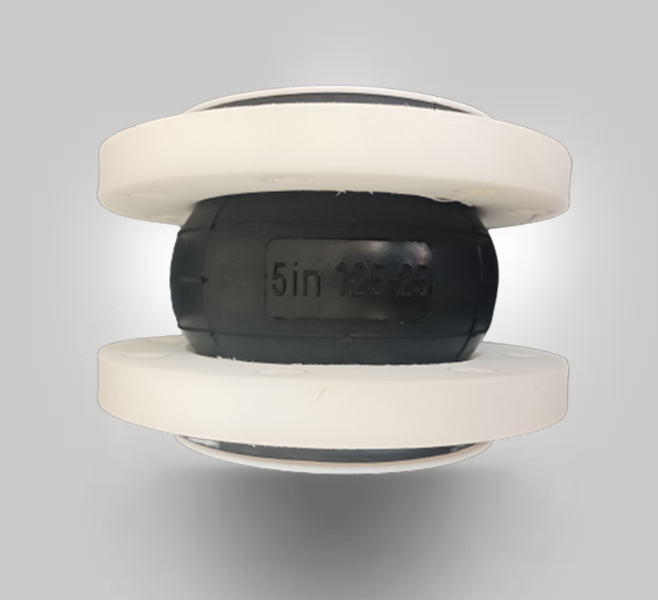
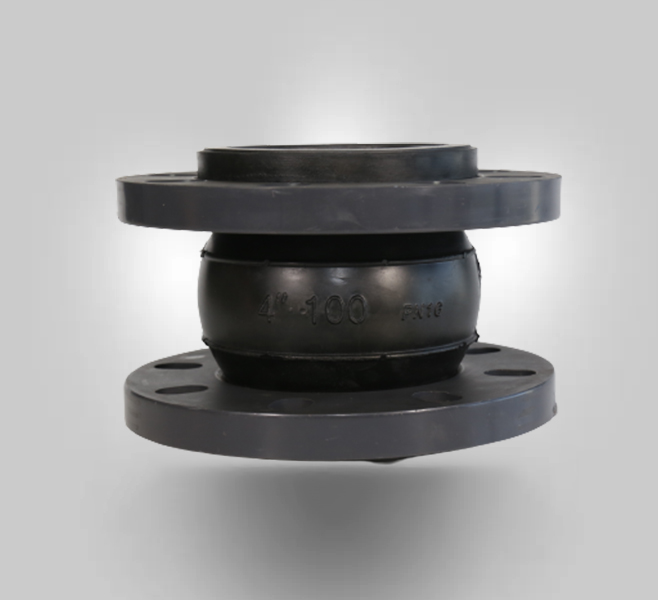
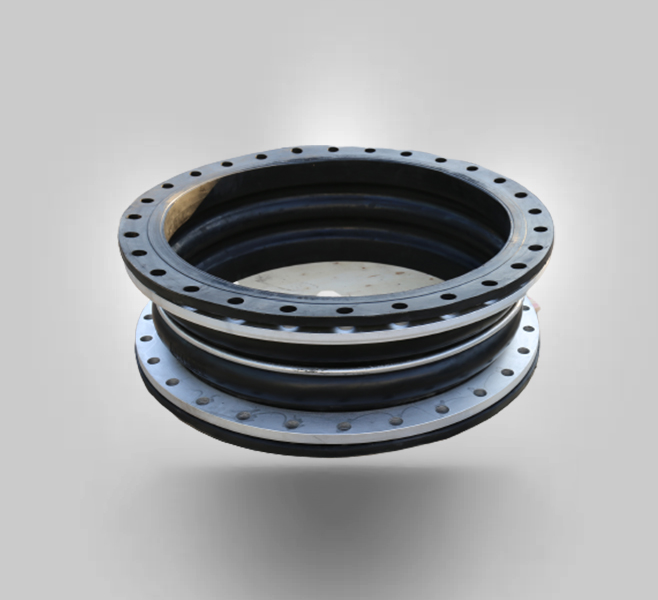
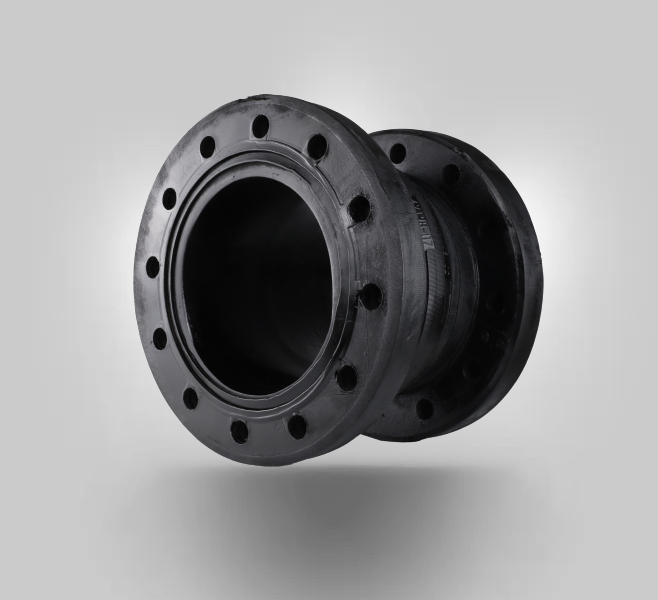
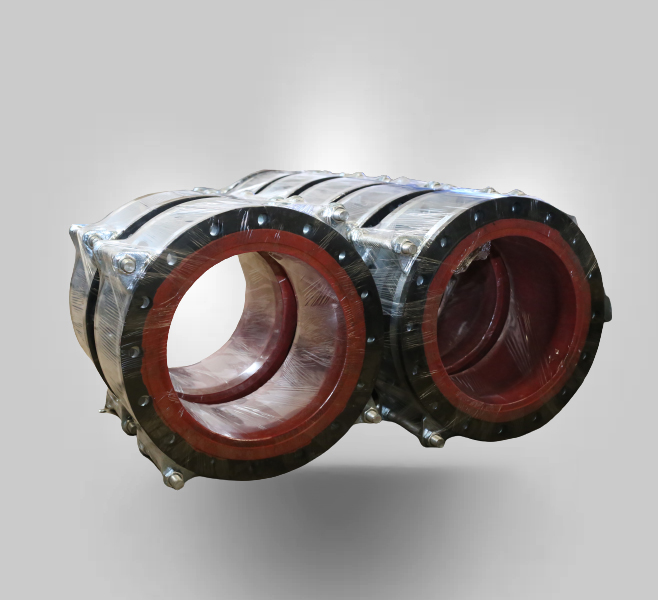
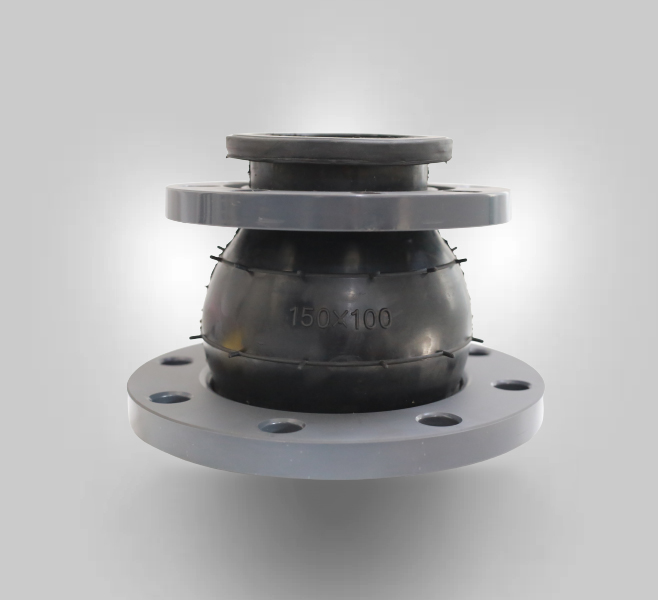
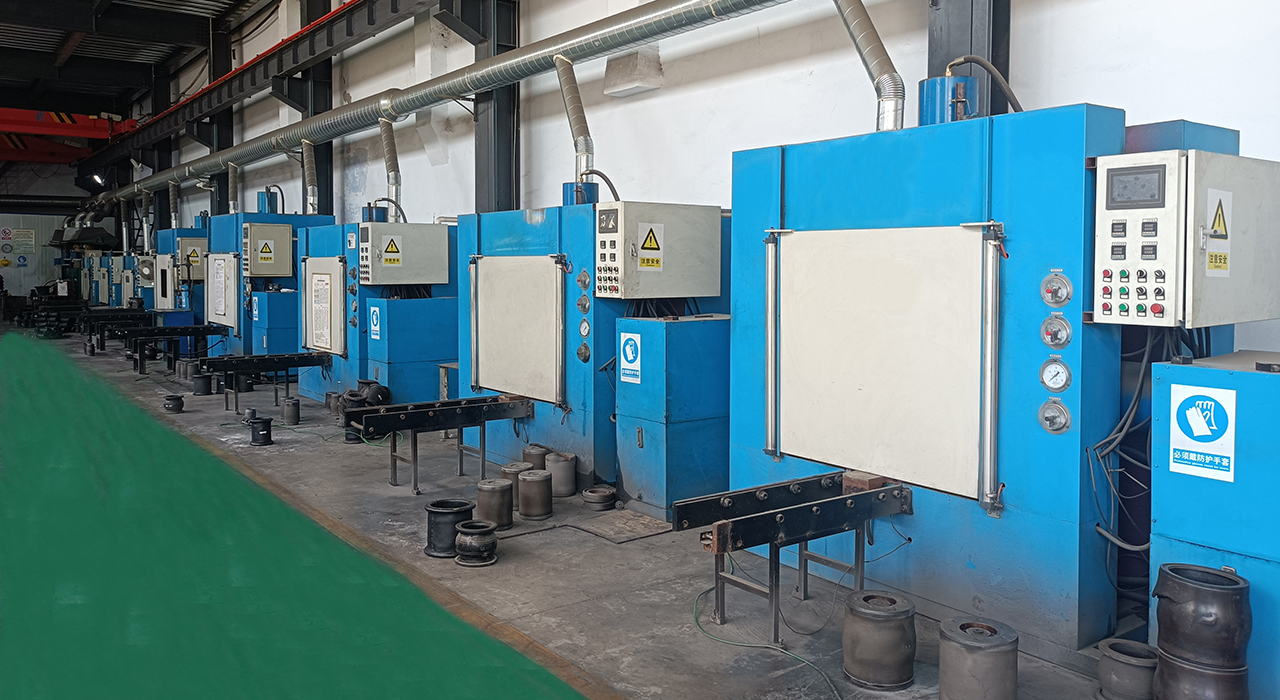
Rubber expansion joints are mainly manufactured by manual wrapping of rubber sheets and fabric reinforced rubber sheets around a bellows-shaped product mandrel. Besides rubber and fabric, reinforced rubber and/or steel wires or metal rings are added for additional reinforcement. After the entire product is built up on the mandrel, it is covered with a winding of (nylon) peel ply to pressurize all layers together. Because of the labor-intensive production process, a large part of the production has moved to eastern Europe and Asian countries.
Some types of rubber expansion joints are made with a molding process. Typical joints that are molded are medium-sized expansion joints with bead rings, which are produced in large quantities. These rubber expansion joints are manufactured on a cylindrical mandrel, which is wrapped with bias cut fabric ply. At the end the bead rings are positioned and the end sections are folded inwards over the bead rings. This part is finally placed in a mold and molded into shape and vulcanized. This is a highly automated solution for large quantities of the same type of joint.
New technology has been developed to wind rubber and reinforcement layers on the (cylindrical or bellows-shaped) mandrel automatically using industrial robots instead of manual wrapping. This is fast and accurate and provides repeatable high quality. Another aspect of using industrial robots for the production of rubber expansion joints is the possibility to apply an individual reinforcement layer instead of using pre-woven fabric. The fabric reinforcement is pre-woven and cut at the preferred bias angle. With individual reinforcement it is possible to add more or less fiber material at different sections of the product by changing the fiber angles over the length of the product.
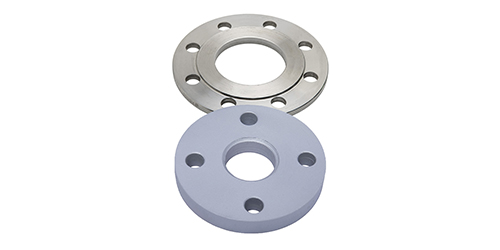
Piping components can be bolted together between flanges. Flanges are used to connect pipes with each other, to valves, to fittings, and to specialty items such as strainers and pressure vessels. A cover plate can be connected to create a "blind flange" Flanges are joined by bolting, and sealing is often completed with the use of gaskets or other methods. Mechanical means to mitigate effects of leaks, like spray guards or specific spray flanges, may be included. Industries where flammable, volatile, toxic or corrosive substances are being processed have greater need of special protection at flanged connections. Flange guards can provide that added level of protection to ensure safety.
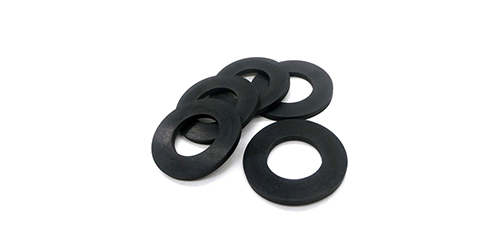
Fasteners are used for fastening and securing materials such as wood, metal, plastic, or concrete. They include nuts and bolts, threaded rods, structural bolts, machine screws, wedge anchors, washers, rivets, and more in a variety of types and sizes, including metric and inch.
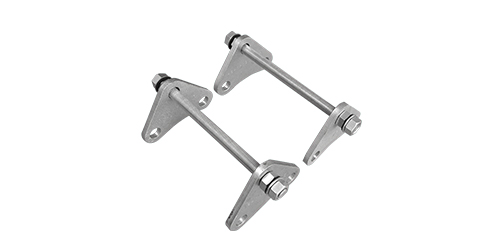
In systems that have a media with significant particulate content (i.e. flash or catalyst), a barrier of ceramic fiber can be utilized to prevent corrosion and restricted bellows flexibility resulting from the accumulation of the particulate. Purge connectors may also be utilized to perform this same function. Internal liners must also be included in the design if the expansion joint includes purge connectors or particulate barriers.
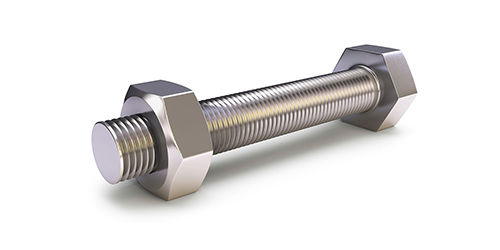
A gasket is a mechanical seal which fills the space between two or more mating surfaces, generally to prevent leakage from or into the joined objects while under compression. It is a deformable material that is used to create a static seal and maintain that seal under various operating conditions in a mechanical assembly.
