

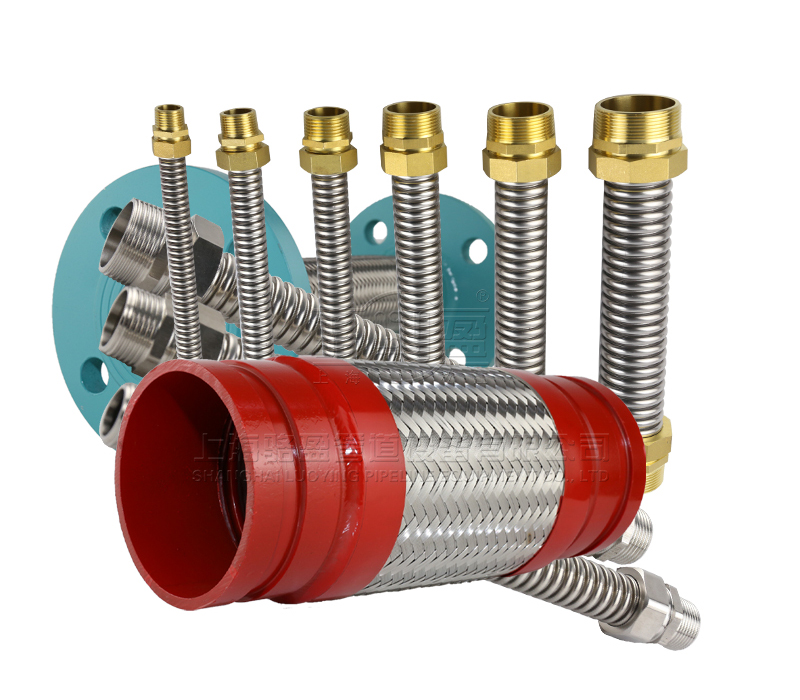
Металлические шланги являются неотъемлемой частью современной технологии, предъявляя высокие требования к трубопроводам для самых разнообразных сред и температур.Высокая гибкость и высокая устойчивость к давлению и температуре характеризуют нашу производственную программу и позволяют использовать их во многих областях, в частности, в системах отопления, водопровода и кондиционирования воздуха, в нефтегазовой, химической и пищевой промышленности, в машиностроении и оборудовании, судостроении, железнодорожном и автомобильном машиностроении.
Причины использования металлических шлангов, а не раствора с жесткими трубами: нагрузки в трубной системе из-за нагрузок в трубной системе могут возникать-сборка неточности-тепловое расширение-вибрации-изменения давления для компенсации этих нежелательных нагрузок, металлический шланг в сборе обеспечивает следующие преимущества:Экономия при сборке/разборке-предварительное изготовление труб требует меньшей точности-никаких регулировочных работ на шланге не требуется-неточности сборки легко исправить-только часть линии должна быть удалена-гибкие элементы легче удалить и особенно повторно установить.Это приводит к: - значительной экономии при сборке и демонтаже трубных систем-большей гибкости при проектировании трубных направляющих и в случае любых модификаций.
Оборудование для измерения и контроля сталелитейной промышленности, медицинское оборудование, авиационные и космические путешествия, реакторная технологическая альтернативная энергия (солнечная теплота, ветряные турбины и др.)
Вода, горячая вода, пар, газ, воздух и т.д.

LUOYING
Дн5 -300
До 350 бар
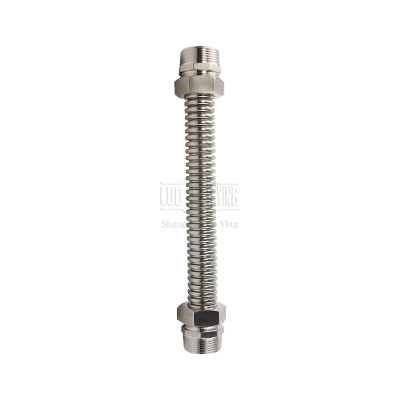
Металлические шланги являются неотъемлемой частью современной технологии, предъявляя высокие требования к трубопроводам для самых разнообразных сред и...
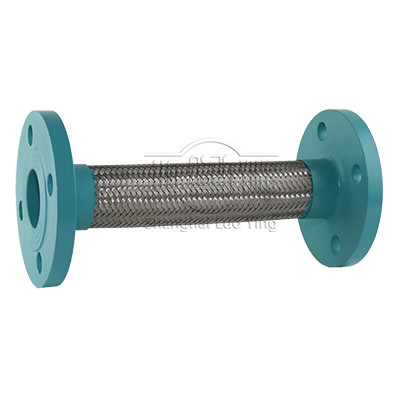
Гибкий металлический шланг является своего рода гибким компонентом, который используется для транспортировки различных видов сред.Он состоит из нержав...
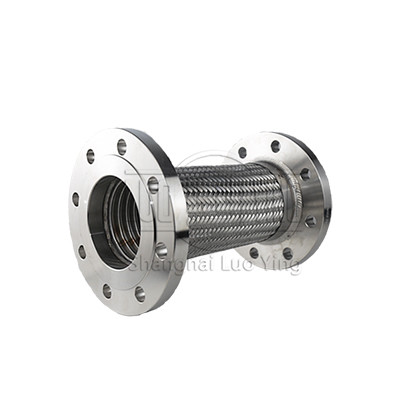
Этот тип шланга также известен как шланги насосных шлангов.Эти шланги калибруются до определенной длины для крепления к насосам.Его гибкая плетеная ко...
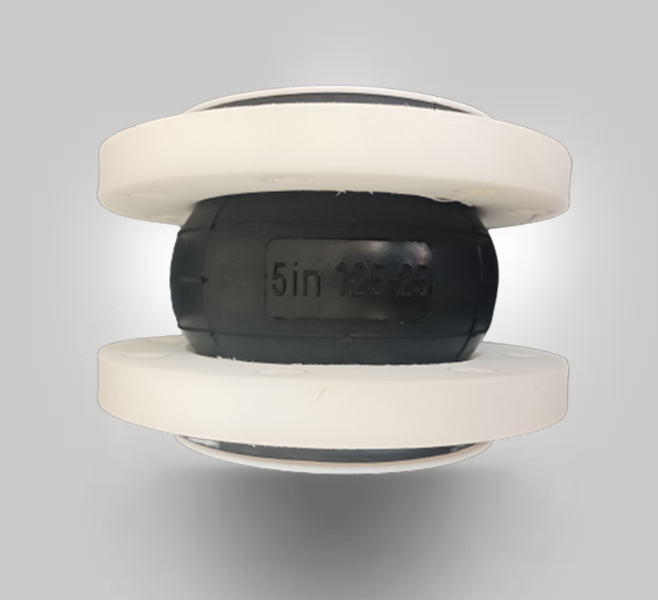
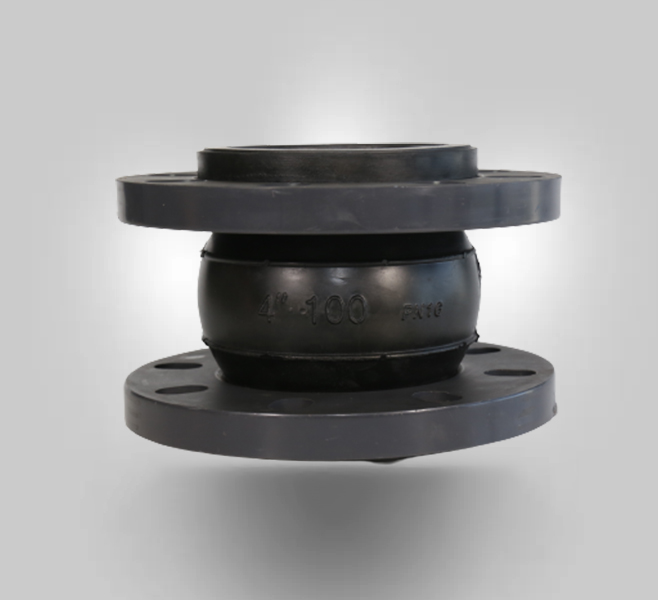
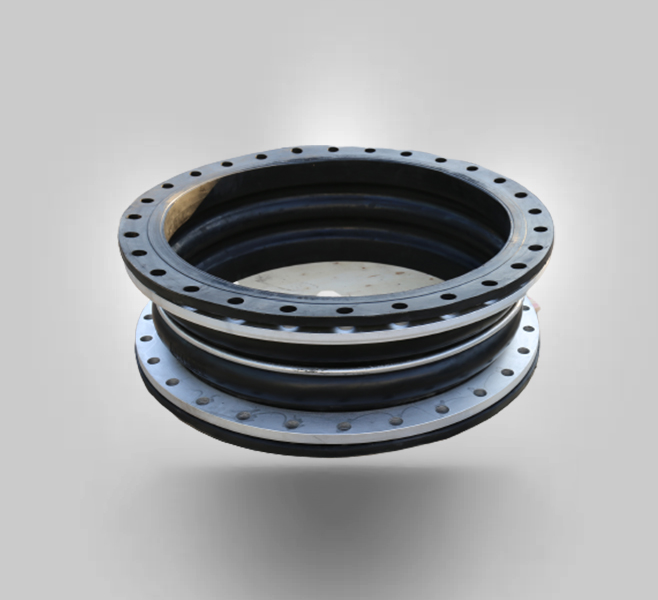
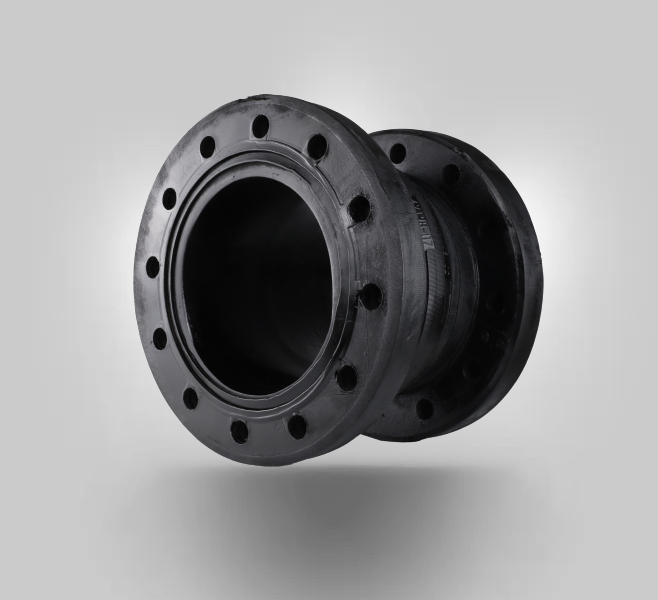
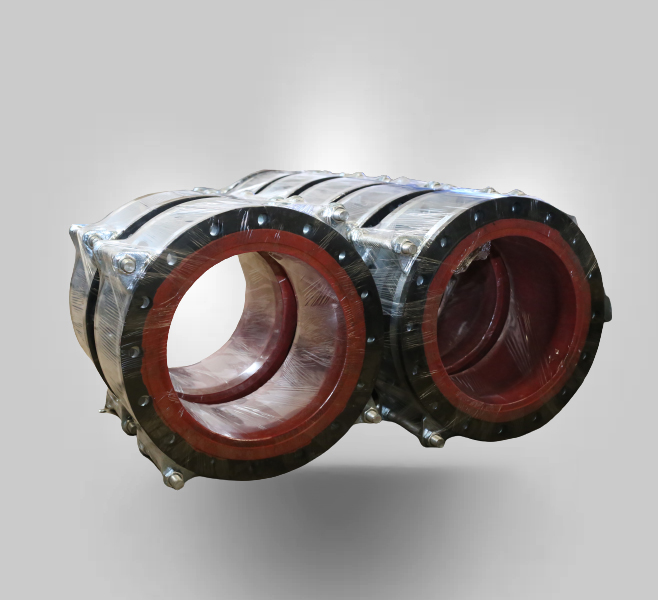
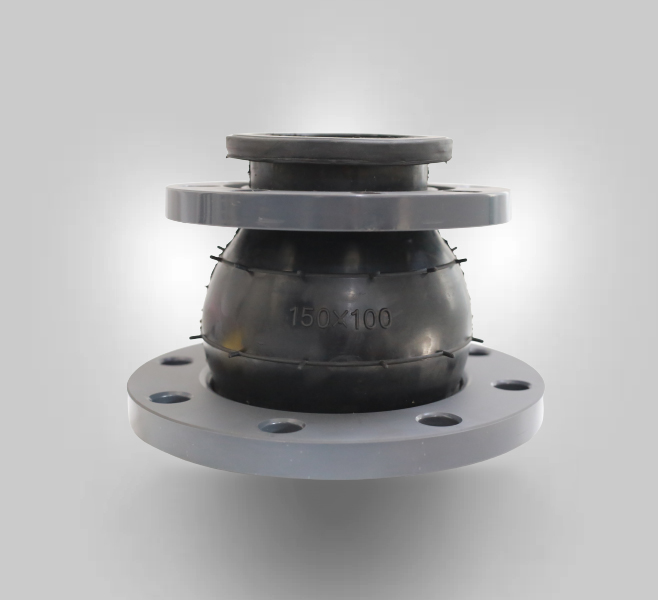
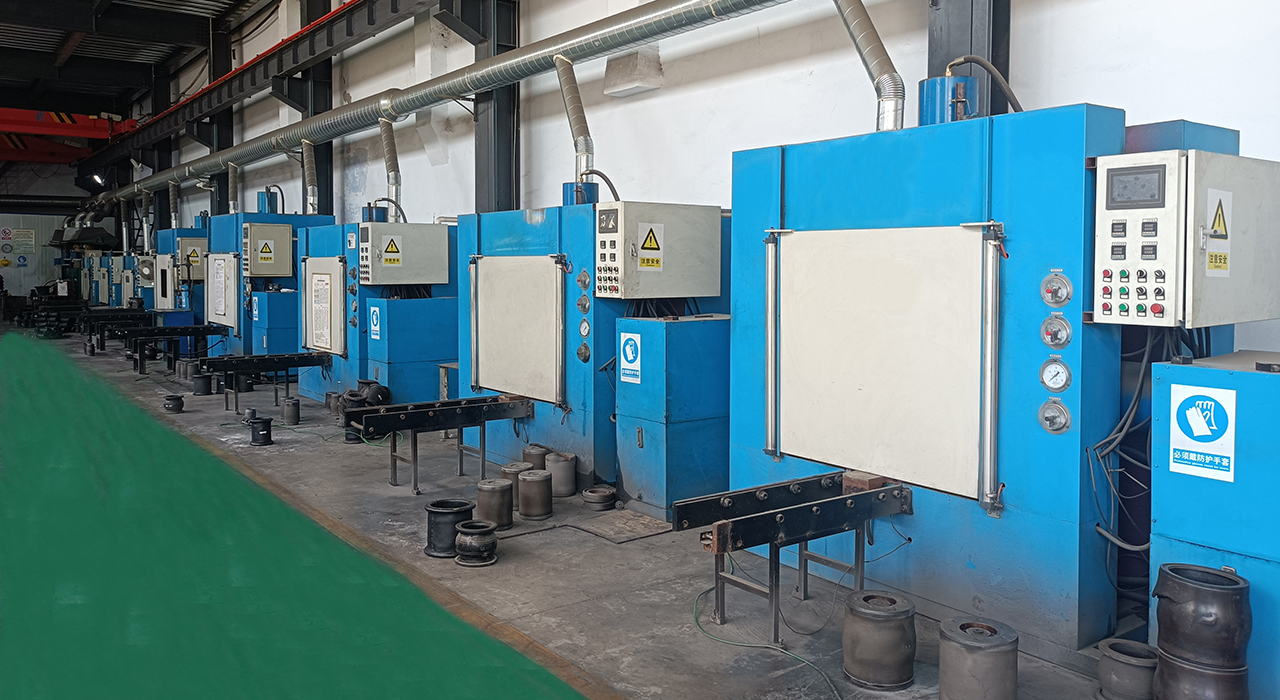
Rubber expansion joints are mainly manufactured by manual wrapping of rubber sheets and fabric reinforced rubber sheets around a bellows-shaped product mandrel. Besides rubber and fabric, reinforced rubber and/or steel wires or metal rings are added for additional reinforcement. After the entire product is built up on the mandrel, it is covered with a winding of (nylon) peel ply to pressurize all layers together. Because of the labor-intensive production process, a large part of the production has moved to eastern Europe and Asian countries.
Some types of rubber expansion joints are made with a molding process. Typical joints that are molded are medium-sized expansion joints with bead rings, which are produced in large quantities. These rubber expansion joints are manufactured on a cylindrical mandrel, which is wrapped with bias cut fabric ply. At the end the bead rings are positioned and the end sections are folded inwards over the bead rings. This part is finally placed in a mold and molded into shape and vulcanized. This is a highly automated solution for large quantities of the same type of joint.
New technology has been developed to wind rubber and reinforcement layers on the (cylindrical or bellows-shaped) mandrel automatically using industrial robots instead of manual wrapping. This is fast and accurate and provides repeatable high quality. Another aspect of using industrial robots for the production of rubber expansion joints is the possibility to apply an individual reinforcement layer instead of using pre-woven fabric. The fabric reinforcement is pre-woven and cut at the preferred bias angle. With individual reinforcement it is possible to add more or less fiber material at different sections of the product by changing the fiber angles over the length of the product.
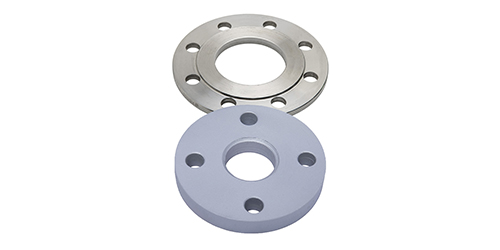
Piping components can be bolted together between flanges. Flanges are used to connect pipes with each other, to valves, to fittings, and to specialty items such as strainers and pressure vessels. A cover plate can be connected to create a "blind flange" Flanges are joined by bolting, and sealing is often completed with the use of gaskets or other methods. Mechanical means to mitigate effects of leaks, like spray guards or specific spray flanges, may be included. Industries where flammable, volatile, toxic or corrosive substances are being processed have greater need of special protection at flanged connections. Flange guards can provide that added level of protection to ensure safety.
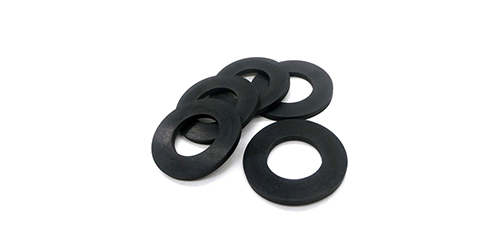
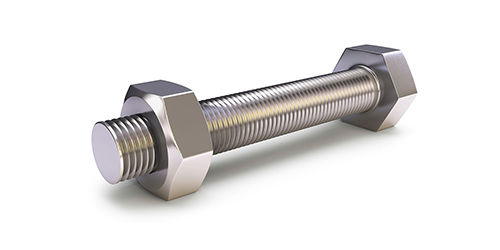
Fasteners are used for fastening and securing materials such as wood, metal, plastic, or concrete. They include nuts and bolts, threaded rods, structural bolts, machine screws, wedge anchors, washers, rivets, and more in a variety of types and sizes, including metric and inch.
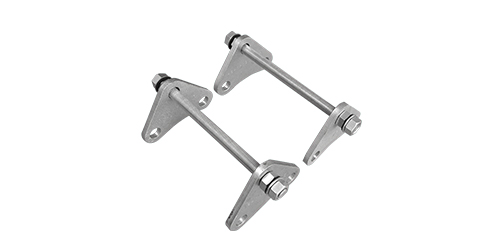
In systems that have a media with significant particulate content (i.e. flash or catalyst), a barrier of ceramic fiber can be utilized to prevent corrosion and restricted bellows flexibility resulting from the accumulation of the particulate. Purge connectors may also be utilized to perform this same function. Internal liners must also be included in the design if the expansion joint includes purge connectors or particulate barriers.
A gasket is a mechanical seal which fills the space between two or more mating surfaces, generally to prevent leakage from or into the joined objects while under compression. It is a deformable material that is used to create a static seal and maintain that seal under various operating conditions in a mechanical assembly.