

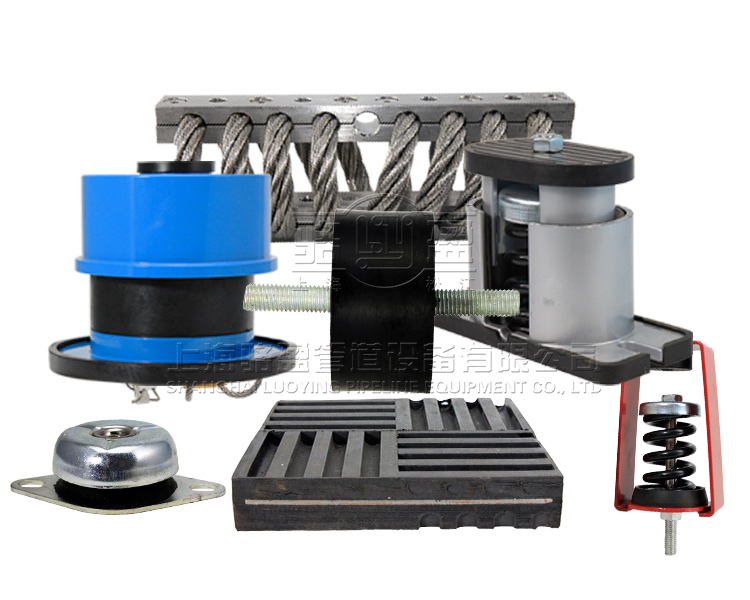
Виброизоляция может быть достигнута за счет использования материалов, способных обеспечить сочетание высокоэластичного поведения в сочетании с влажными свойствами.Пневматические, гидравлические, эластичные металлические и эластомерные конструкции широко используются в коммерческих виброизоляционных целях.Эластомерные материалы, вероятно, являются наиболее распространенными и широко используются в промышленности с очень широко используемой конструкции, состоящей из эластомерных материалов, прикрепленных к металлическим пластинам или металлическому керну.Такие изоляторы обычно называют эластомерными креплениями.Натуральный каучук, неопрень и бутиловый каучук являются одними из наиболее широко используемых эластомеров в коммерческих виброизоляторах.Эластомеры обеспечивают дизайнеру ряд жестких и влажных характеристик, а также способность выдерживать различные экологические условия.Эта способность удовлетворять требованиям к производительности в широком спектре жестких условий, а также простота изготовления с помощью процесса формования делают эластомеры общим выбором изоляторов в процессе проектирования.В таблице 1.1 перечислены некоторые из широко используемых эластомеров для производства пассивных вибрационных изоляторов с перечислением некоторых их характеристик, которые могут учитываться при проектировании.В дополнение к широко используемым эластомерам, производители часто разрабатывают собственные эластомерные рецепты для удовлетворения потребностей конкретной конструкции, которая может потребовать сочетания свойств из различных материалов.Свойства эластомерных материалов могут быть существенно изменены путем изменения их состава или использования различных смесей.Типичный процесс производства сырья включает вулканизацию путем добавления серы и добавления ускорителей, наполнителей и пластификаторов (Mark, Erman, & Roland, 2013).Затем сырье используется в процессе формования для получения вибрационного изолятора установленной формы и размера, обеспечивающего необходимую прочность и влажность.Несмотря на то, что дизайн вибрационного изолятора обладает многими характеристиками, некоторые из общих технических свойств, которые дизайнер пытается понять, это влажность, динамическая прочность, устойчивость к воздействию окружающей среды, а также некоторые из присущей ему нелинейности.

LUOYING
Пневматический, гидравлический, эластичный металл
Эластомерные материалы
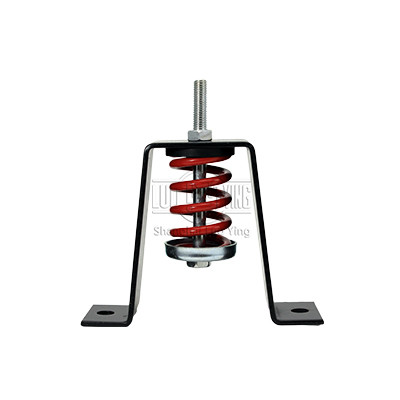
В простом виде амортизаторы подвески амортизаторы представляют собой гидравлические (масляные) насосы, подобные тем, которые помогают контролировать у...
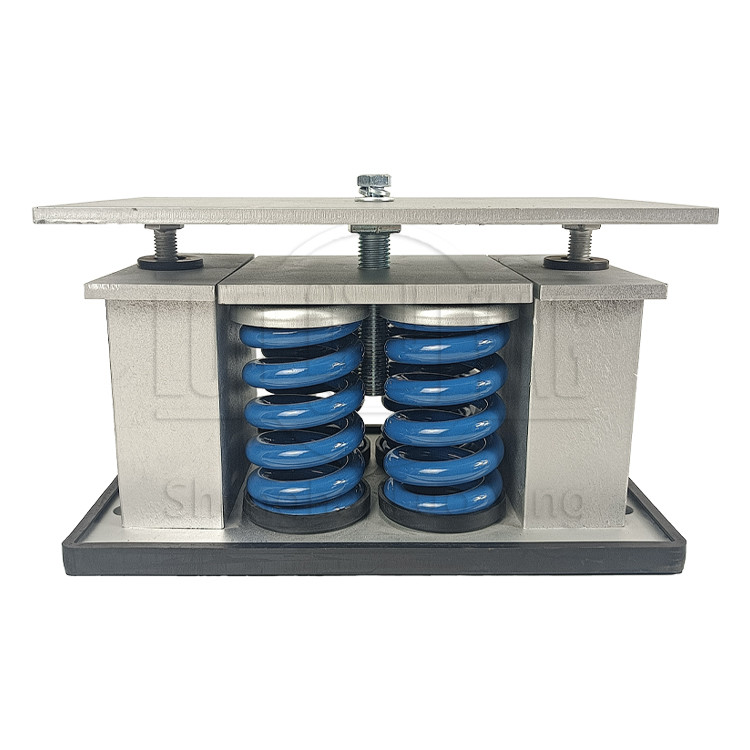
Вибрационные изоляторы типа JA состоят из отдельных, больших по диаметру, бокоустойчиво расположенных стальных пружин, собранных в сварные стальные сб...
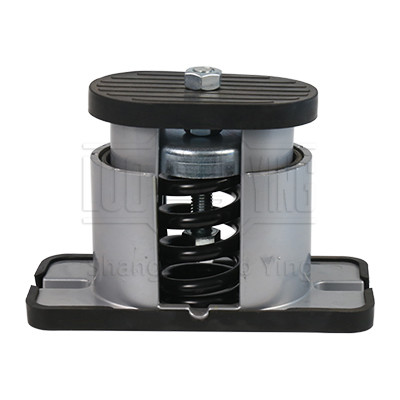
Пружинные эластомерные изоляторы серии JB отлиты алюминиевыми, регулируемыми пружинными изоляторами с телескопической верхней и нижней секциями, разде...
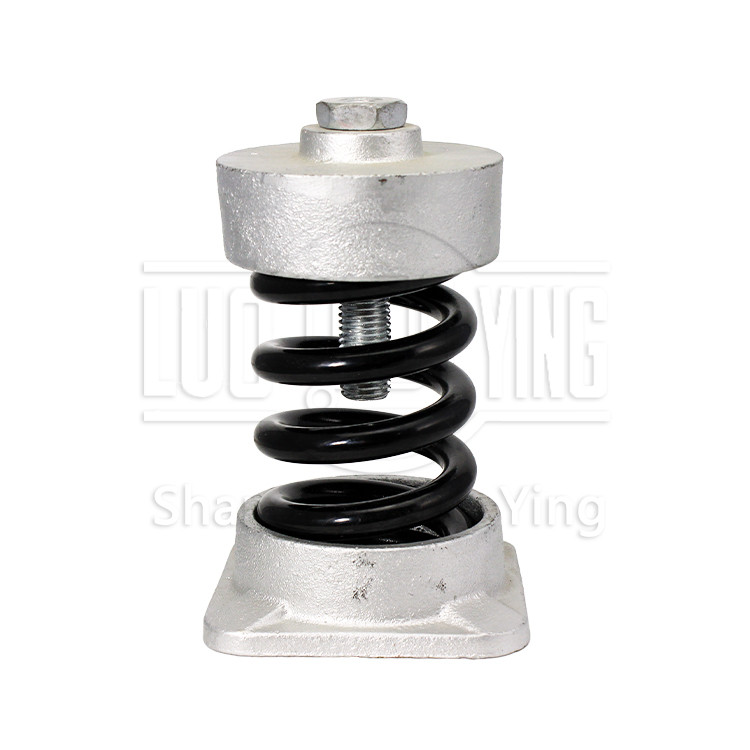
Springs have corrosion resistance epoxy powder coated finish, rated to withstand 1000 hours of salt spray testing as per test method ASTM B117.Springs have a deflection of 25mm at rated load and are designed with 50% overload capacity, to compensate for unexpected load variations and to reduce operating stress.The steel reinforced molded elastomeric load cup with 8-10mm thick ribbed base act as noise breaks for high frequencies in the audible range.
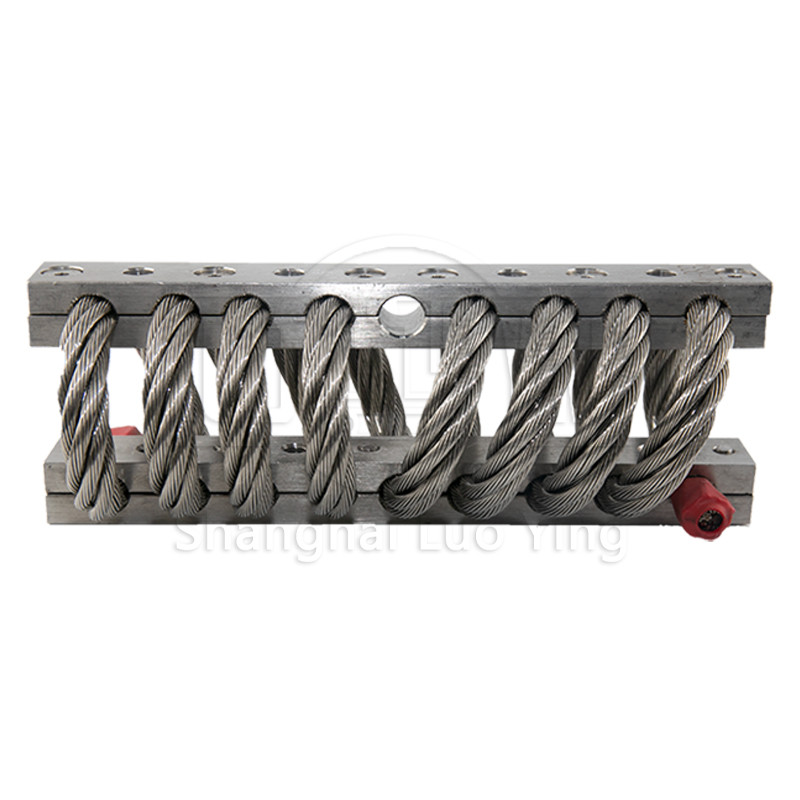
Максимальное динамическое смещение составляет более 70% площади, занимаемой монтируется, динамическая жесткость уменьшается при увеличении смещения.Вы...
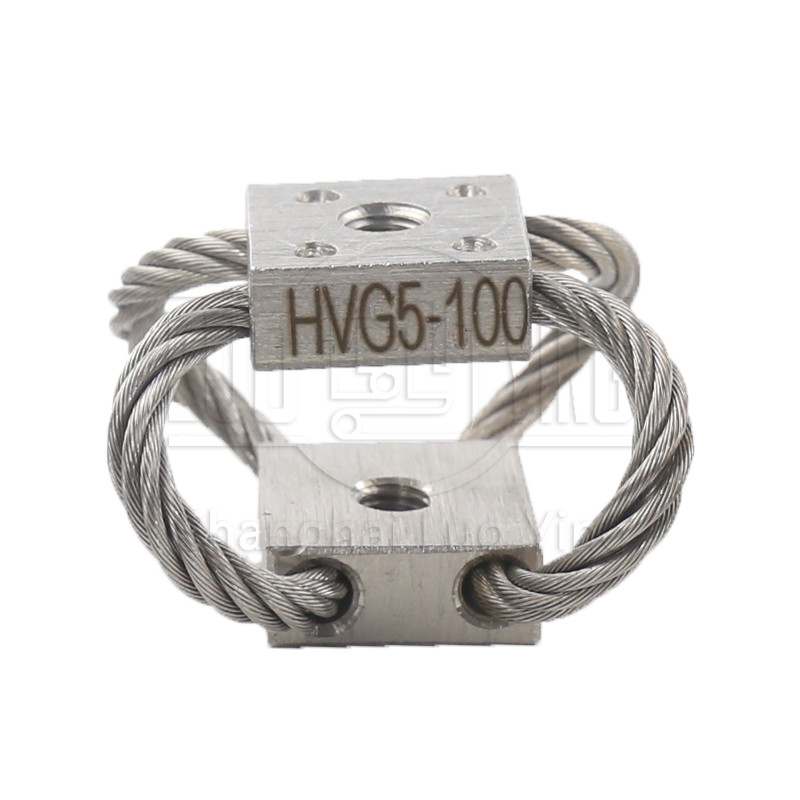
Изоляторы канатной проволоки HVG представляют собой специальные изоляторы канатной проволоки небольшого размера для применения в условиях ограниченног...
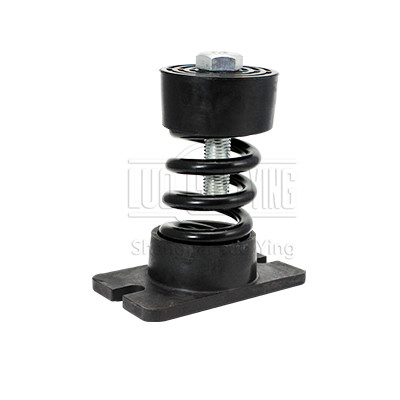
Разница между пружинным вибрационным изолятором JD-типа и JC-типом заключается в Том, что базовая площадь продукта удвоилась.
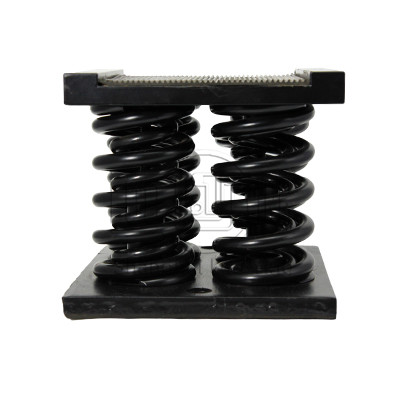
Комбинированный пружинный вибрационный изолятор типа JS использует несколько комбинированных пружин как основной корпус, верхнюю и нижнюю конфигурацию...
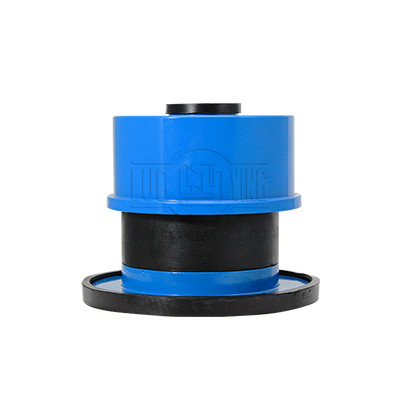
ZTA тип демпингового изолятора вибрации пружин основные характеристики и применение: ZTG тип демпингового изолятора вибрации пружин состоит из пружины...
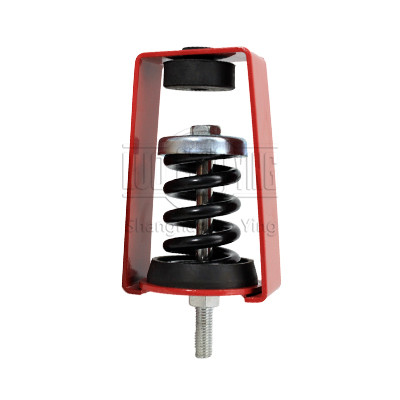
Виброизолятор пружинной вибрации типа ZTY используется в фанкойле и другом небольшом оборудовании вибрационной влажности, при установке центрального к...
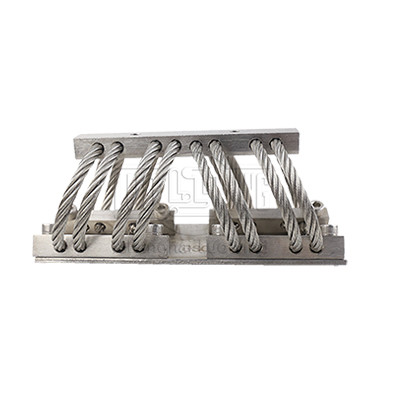
Виброизолятор серии GSG из нержавеющей стали виброизолятор представляет собой новый виброизолятор, переработанный и разработанный на основе виброизоля...
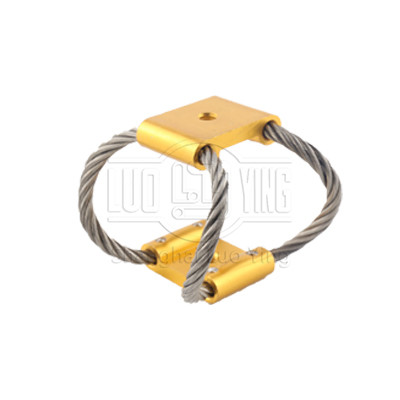
Продукт имеет всеобъемлющую функцию и эффект вибрационной изоляции и буферизации, а конструкция компактна и проста.
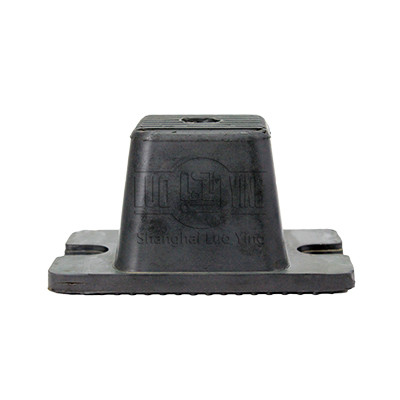
Вибрационные изоляторы резины резины разработаны специально для того, чтобы обеспечить высокую грузоподъемность с относительно большими статическими д...
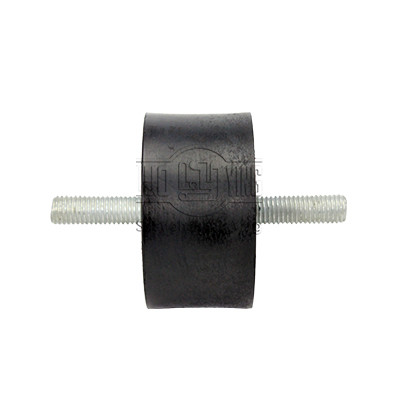
Резиновый амортизатор YZT может эффективно выдерживать все уровни нагрузки и деформации широкого диапазона, особенно подходит для установки электронны...
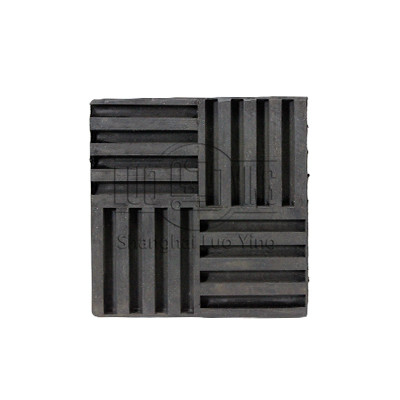
SD резиновая влажная прокладка оказывает хорошее влияние на пассивную вибрационную изоляцию прибора и измерителя, и эффект более очевиден для эффекта ...
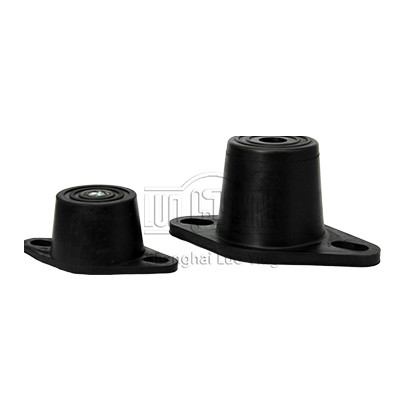
Резиновая смола RM имеет разумную конструкцию, как правило, применимую к малому и среднему оборудованию амортизирующему удары, стабильную работу, это ...
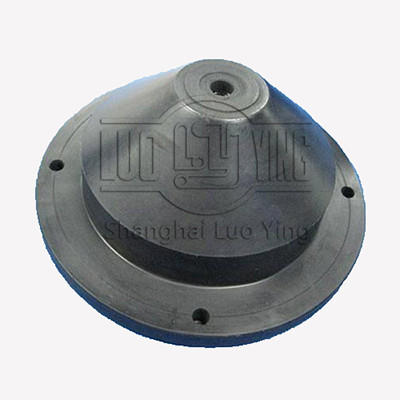
Резиновый амортизатор типа JSD состоит из металла и резинового композитного материала, поверхность покрыта резиной, может предотвратить коррозию метал...
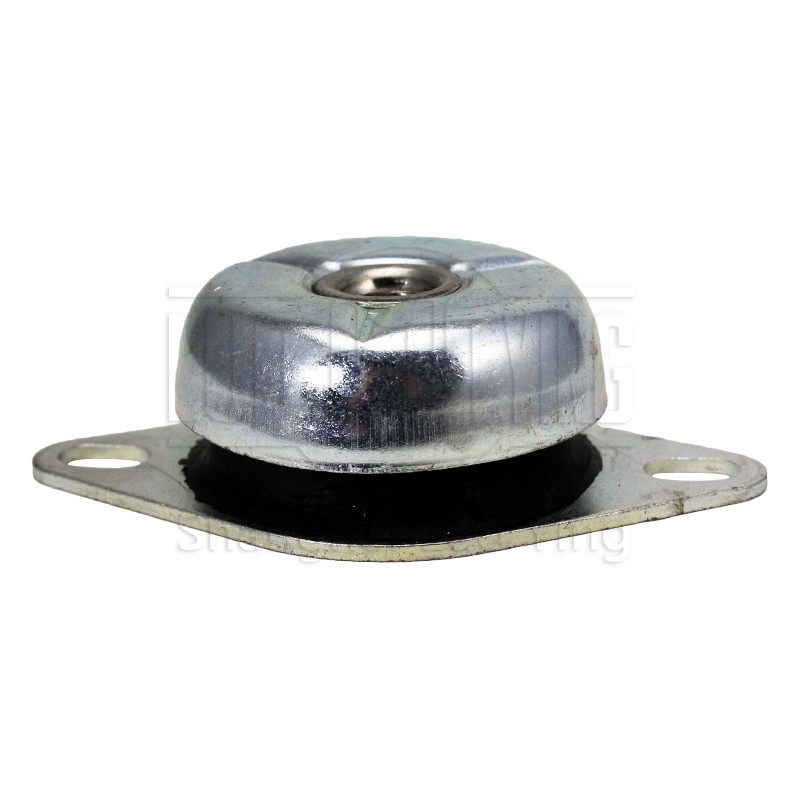
JNH крепления являются отказобезопасными морскими двигателями, которые имеют более высокий профиль, высокий профиль резины секции производит большие д...
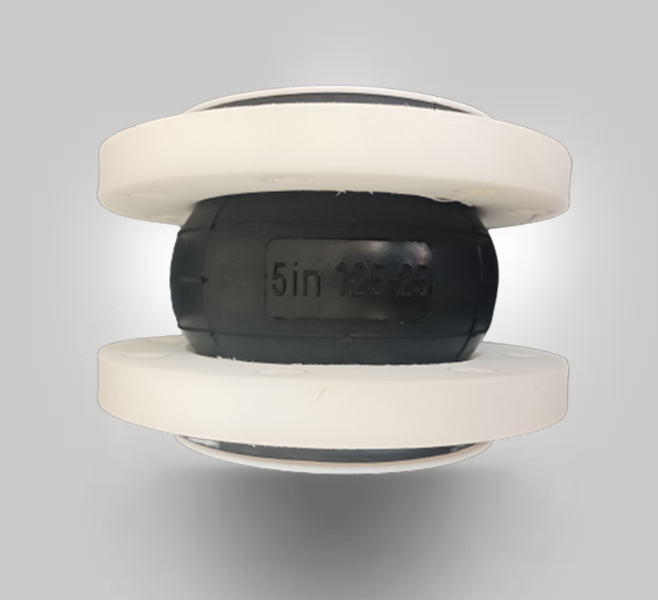
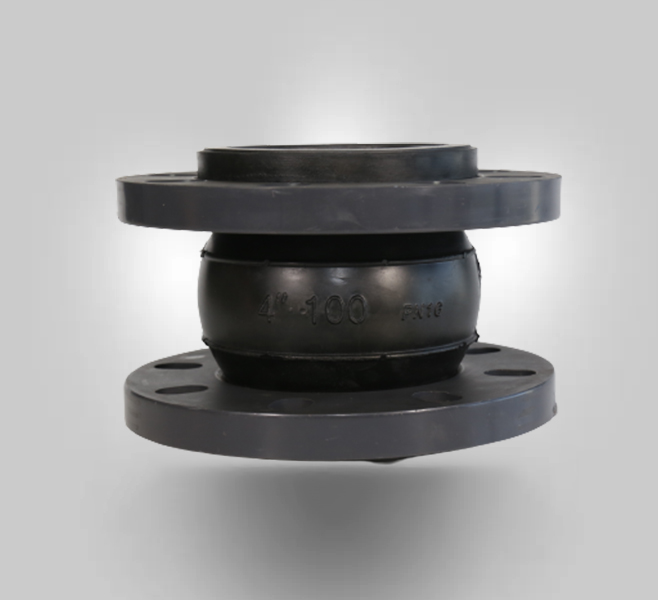
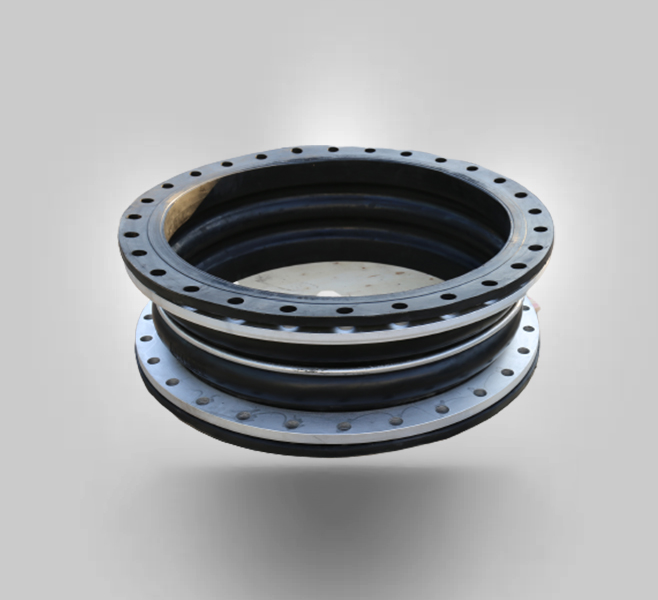
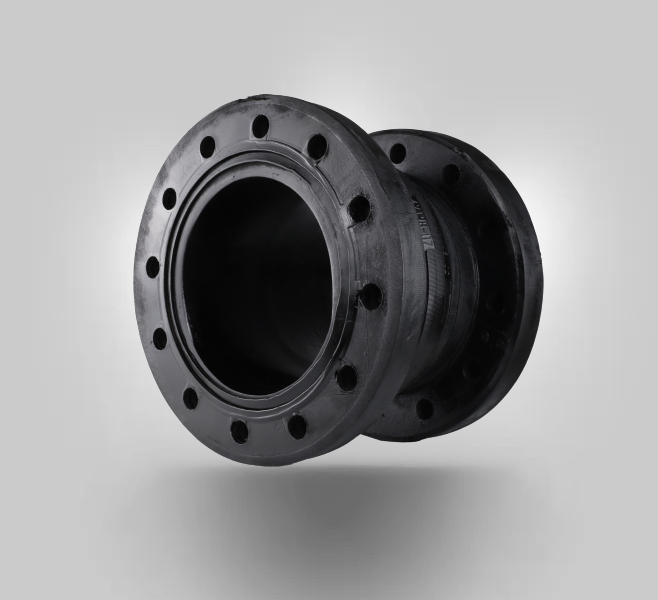
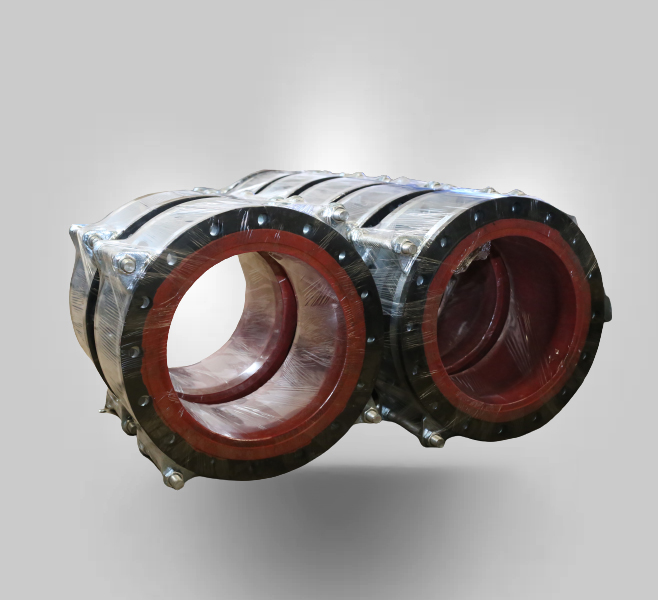
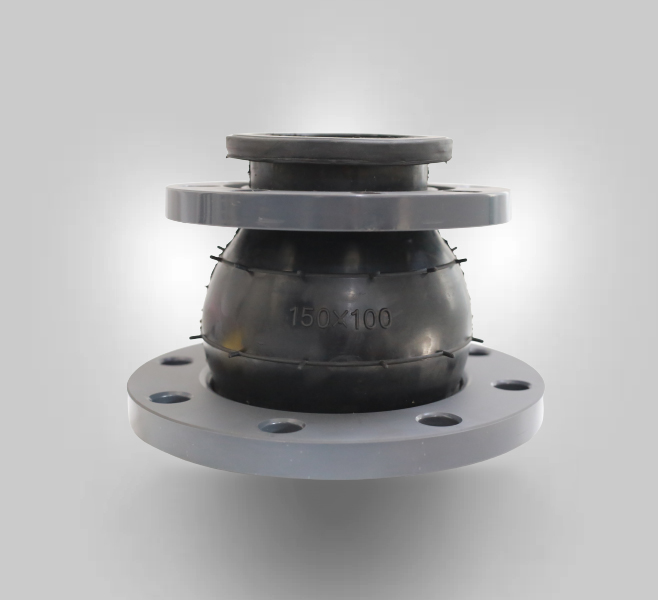
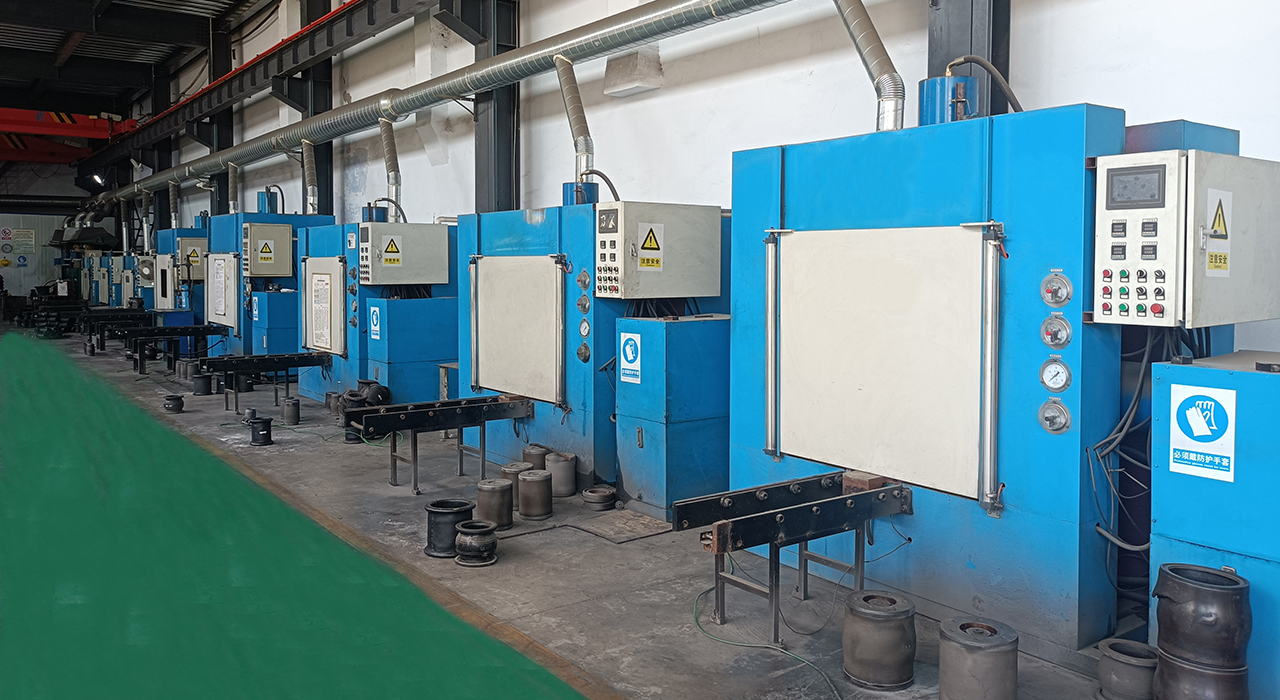
Rubber expansion joints are mainly manufactured by manual wrapping of rubber sheets and fabric reinforced rubber sheets around a bellows-shaped product mandrel. Besides rubber and fabric, reinforced rubber and/or steel wires or metal rings are added for additional reinforcement. After the entire product is built up on the mandrel, it is covered with a winding of (nylon) peel ply to pressurize all layers together. Because of the labor-intensive production process, a large part of the production has moved to eastern Europe and Asian countries.
Some types of rubber expansion joints are made with a molding process. Typical joints that are molded are medium-sized expansion joints with bead rings, which are produced in large quantities. These rubber expansion joints are manufactured on a cylindrical mandrel, which is wrapped with bias cut fabric ply. At the end the bead rings are positioned and the end sections are folded inwards over the bead rings. This part is finally placed in a mold and molded into shape and vulcanized. This is a highly automated solution for large quantities of the same type of joint.
New technology has been developed to wind rubber and reinforcement layers on the (cylindrical or bellows-shaped) mandrel automatically using industrial robots instead of manual wrapping. This is fast and accurate and provides repeatable high quality. Another aspect of using industrial robots for the production of rubber expansion joints is the possibility to apply an individual reinforcement layer instead of using pre-woven fabric. The fabric reinforcement is pre-woven and cut at the preferred bias angle. With individual reinforcement it is possible to add more or less fiber material at different sections of the product by changing the fiber angles over the length of the product.
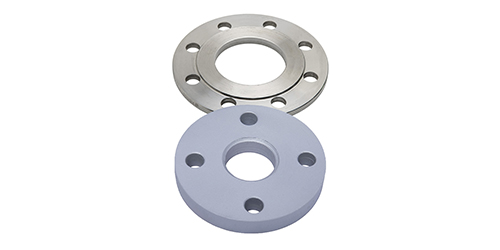
Piping components can be bolted together between flanges. Flanges are used to connect pipes with each other, to valves, to fittings, and to specialty items such as strainers and pressure vessels. A cover plate can be connected to create a "blind flange" Flanges are joined by bolting, and sealing is often completed with the use of gaskets or other methods. Mechanical means to mitigate effects of leaks, like spray guards or specific spray flanges, may be included. Industries where flammable, volatile, toxic or corrosive substances are being processed have greater need of special protection at flanged connections. Flange guards can provide that added level of protection to ensure safety.
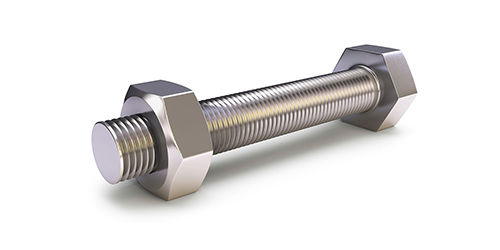
Fasteners are used for fastening and securing materials such as wood, metal, plastic, or concrete. They include nuts and bolts, threaded rods, structural bolts, machine screws, wedge anchors, washers, rivets, and more in a variety of types and sizes, including metric and inch.
In systems that have a media with significant particulate content (i.e. flash or catalyst), a barrier of ceramic fiber can be utilized to prevent corrosion and restricted bellows flexibility resulting from the accumulation of the particulate. Purge connectors may also be utilized to perform this same function. Internal liners must also be included in the design if the expansion joint includes purge connectors or particulate barriers.
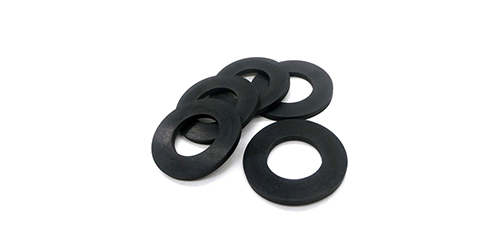
A gasket is a mechanical seal which fills the space between two or more mating surfaces, generally to prevent leakage from or into the joined objects while under compression. It is a deformable material that is used to create a static seal and maintain that seal under various operating conditions in a mechanical assembly.