
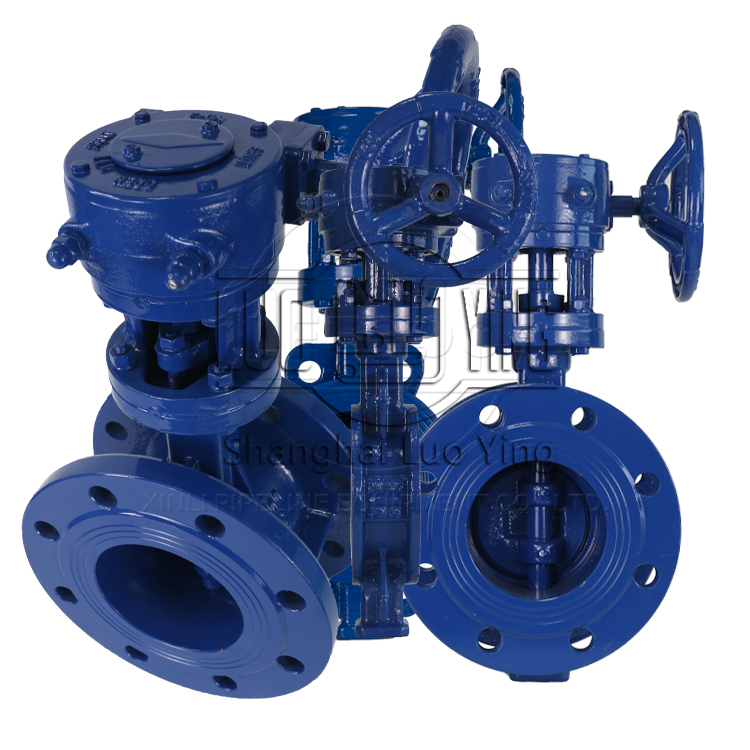
Les vannes sont présentes dans quasiment tous les processus industriels : traitement de l’eau et des eaux usées, exploitation minière, production d’énergie, transformation du pétrole, du gaz et des hydrocarbures, industrie agroalimentaire, chimie et plasturgie, ainsi que dans de nombreux autres secteurs.
Dans les pays développés, les vannes sont également utilisées au quotidien : vannes de plomberie (robinets d’eau courante), vannes de régulation du gaz des cuisinières, petites vannes équipant les lave-linge et lave-vaisselle, dispositifs de sécurité des circuits d’eau chaude, ou encore les soupapes à champignon des moteurs automobiles.
Les vannes existent aussi dans la nature : par exemple, les vannes unidirectionnelles des veines qui régulent la circulation sanguine, et les valves cardiaques qui contrôlent le flux sanguin dans les cavités du cœur et assurent un pompage optimal.
Les vannes peuvent être actionnées manuellement à l’aide d’une poignée, d’un levier, d’une pédale ou d’une roue. Elles peuvent également être automatiques et pilotées par les variations de pression, de température ou de débit. Ces variations agissent sur une membrane ou un piston, qui commande alors l’ouverture ou la fermeture de la vanne. Les vannes de sécurité des systèmes d’eau chaude ou des chaudières sont des exemples courants de ce fonctionnement.
Les systèmes de contrôle plus complexes, nécessitant une régulation automatique des vannes à partir d’une consigne externe (par exemple, ajuster le débit dans une conduite selon une valeur variable), font appel à un actionneur. Celui-ci assure la course de la vanne selon les consignes et les réglages, permet un positionnement précis et répond à des exigences de contrôle variées.
Diversité
Les vannes se distinguent fortement par leur forme et leur champ d’application. Leurs dimensions s’échelonnent généralement de 0,1 mm à 60 cm ; des modèles spéciaux peuvent dépasser 5 mètres de diamètre.
Le coût varie également : des vannes jetables économiques aux vannes industrielles spécialisées, dont le prix peut atteindre plusieurs milliers de dollars par pouce de diamètre.
Les vannes jetables équipent de nombreux articles domestiques courants, comme les distributeurs à mini-pompe ou les bombes aérosols.
Dans le domaine mécanique, le terme « soupape » désigne principalement les soupapes à champignon, équipant la grande majorité des moteurs à combustion interne modernes des véhicules à énergie fossile. Elles régissent l’admission du mélange air-carburant et l’évacuation des gaz d’échappement.

LUOYING
DN15-DN1200
16bar
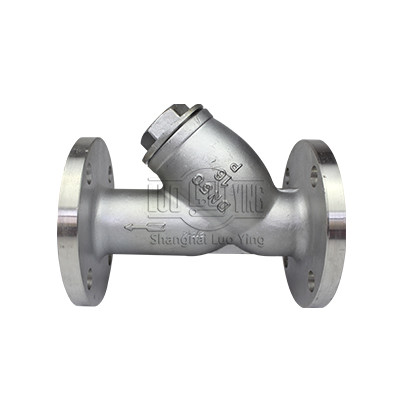
Y type pipe filter is a kind of device used for conveying medium, mainly installed in entrance gate of hydraulic control valves, pressure reducing valve, pressure relief valve, etc.
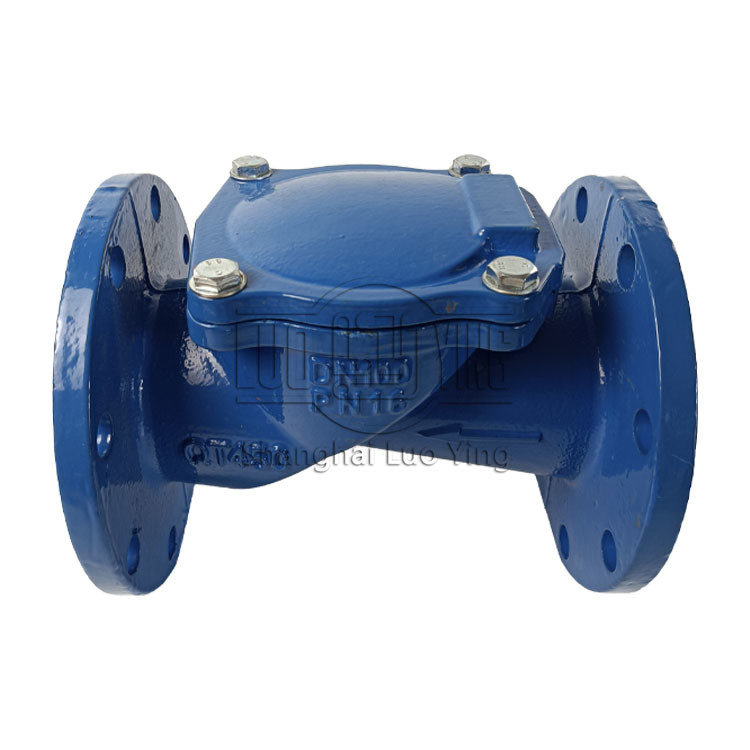
Rubber Flapper Swing Check Valves feature a unique, simple design with only one moving part. The flapper does not swing from a hinge pin; it simply flexes open. The seat is on a 45° angle. The flapper travels 35° from open to closed, usually before column reversal can occur.
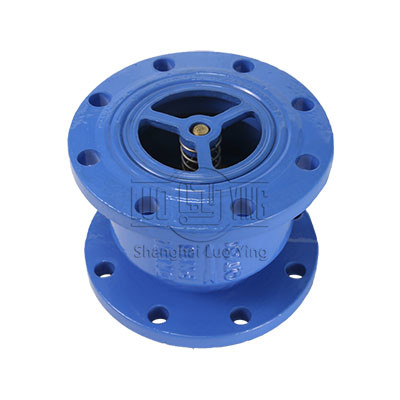
The Silent Check Valve is the preferred choice in applications where silent operation and cost are of major concern. Its short linear stroke and spring return action combine to close the valve prior to flow reversal which effectively eliminates the shock and water hammer normally associated with the sudden stoppage of a reverse flow.
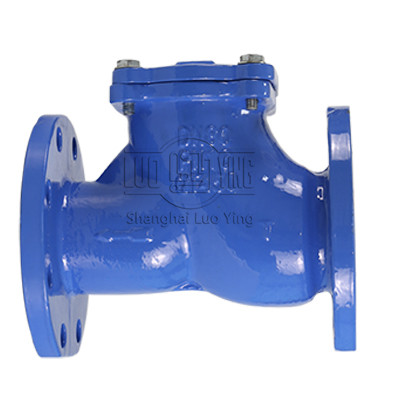
The ball check valve is suitable for use in polluted media as the ball shaped valve prevents the built up of dirt. The valve is for maintenance easy accessible through a large opening. The ball check valve may be used in waste water treatment, in power plants and in several other industries.
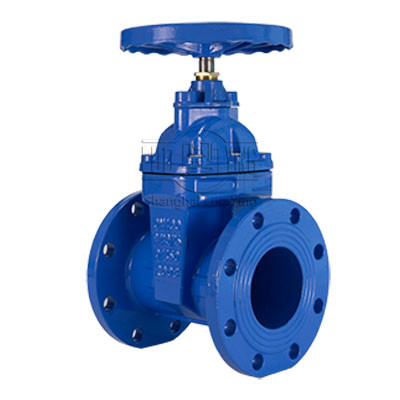
When this valve with bi-directional flow is fully open, the gate and pipeline diameter are the same and there is very low head loss.
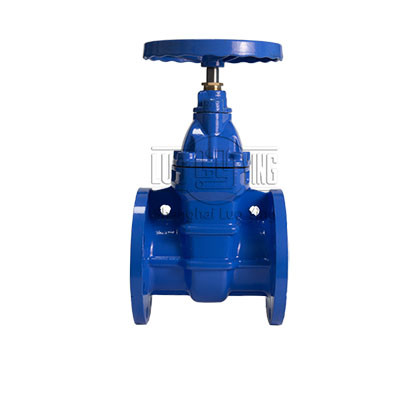
Gate valve is a full bore valve. Thanks to the metal seat, those valves are able to respond to specific operating conditions (high pressure, high temperatures). Its production is varied (cast iron, steel, stainless steel, duplex, etc.), it can therefore be used for numerous applications like the service industry and the chemical and oil industries.
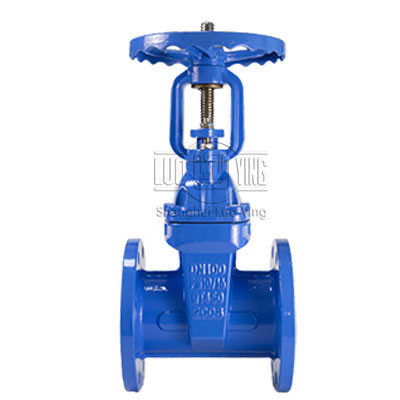
Gate valve is a full bore valve. Thanks to the metal seat, those valves are able to respond to specific operating conditions (high pressure, high temperatures). The wedge is fully vulcanized with drinking water approved EPDM rubber compound. It features an outstanding durability due to the ability of the rubber to regain its original shape, the double bonding vulcanization process and the sturdy wedge design.
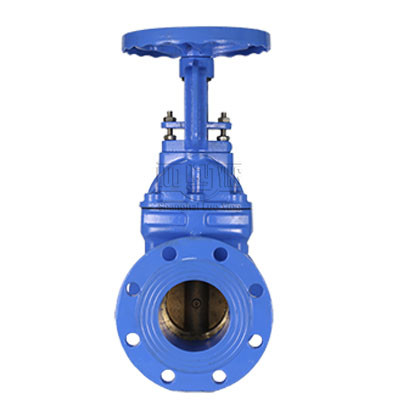
Gate valve is a full bore valve. Thanks to the metal seat, those valves are able to respond to specific operating conditions (high pressure, high temperatures). Its production is varied (cast iron, steel, stainless steel, duplex, etc.), it can therefore be used for numerous applications like the service industry and the chemical and oil industries.
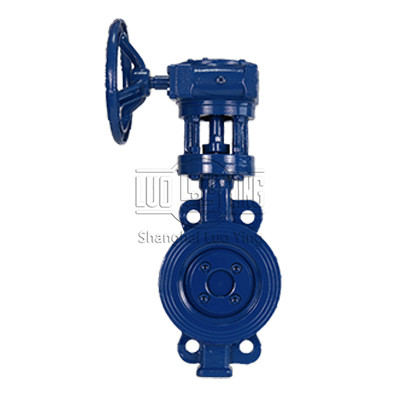
Butterfly valves are designed for cost-effective isolation of pipelines and are suitable for pressure and non-pressure water and industrial applications. The quarter turn disc can be actuated by lever or gearbox and is available in wafer, lugged or flanged body styles.
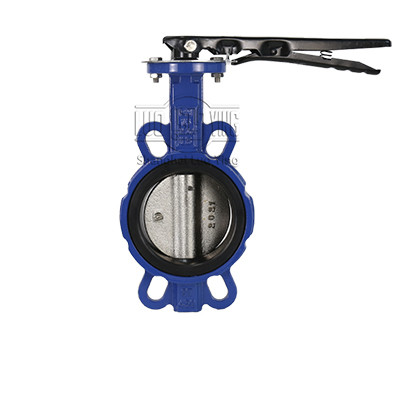
Butterfly Valve with hard phenolic seat, pin or splined connection between disc and stem, both wafer and lug style. Suitable for most general purpose applications.The valve can be used for both ‘open/close’ and for flow control operations.
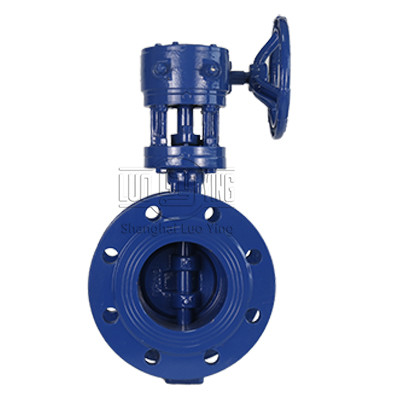
Suitable for mounting between flanges and can be used in many general applications such as in water distribution, water treatment, dams, power plants and in many other. The valve can be used as a stopper, a tap for discharging at the end of the pipeline
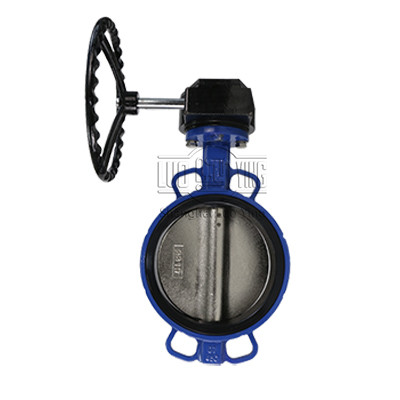
The rubber is injection moulded directly on the valve body forming a permanent bond. Consequently, there is no risk of deformation or dislocation of the liner making the valves suitable under vacuum conditions. The combination of the profiled disc edge and the excellent rubber quality ensures maximum durability of the liner.
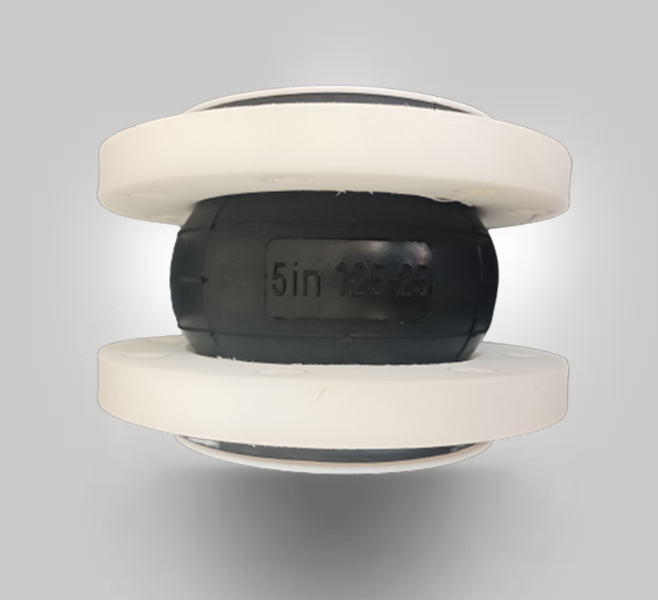
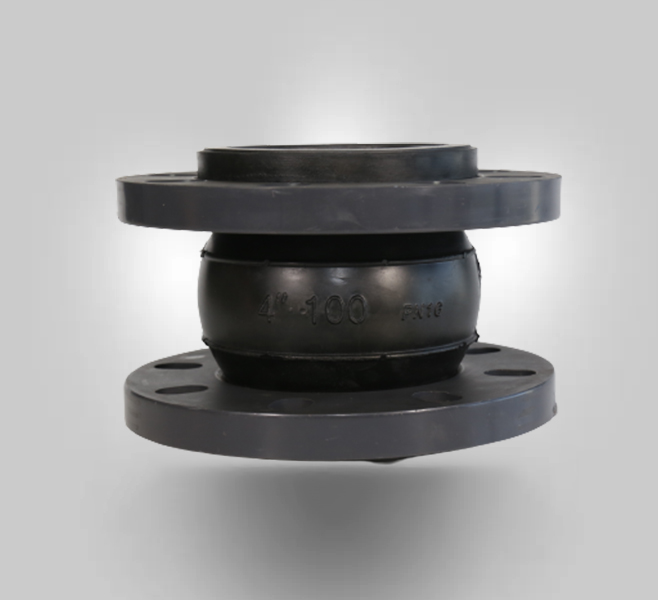
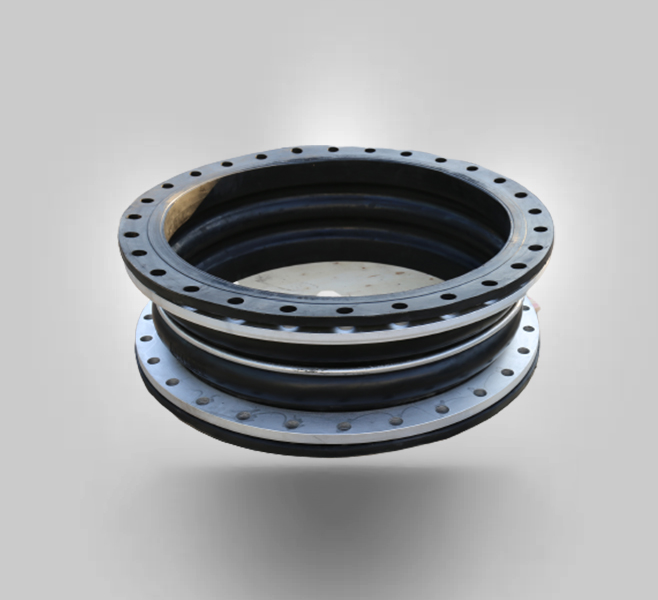
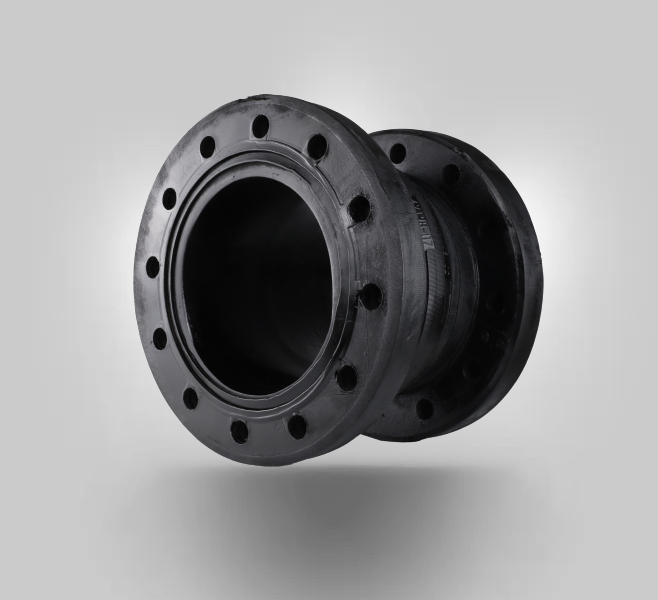
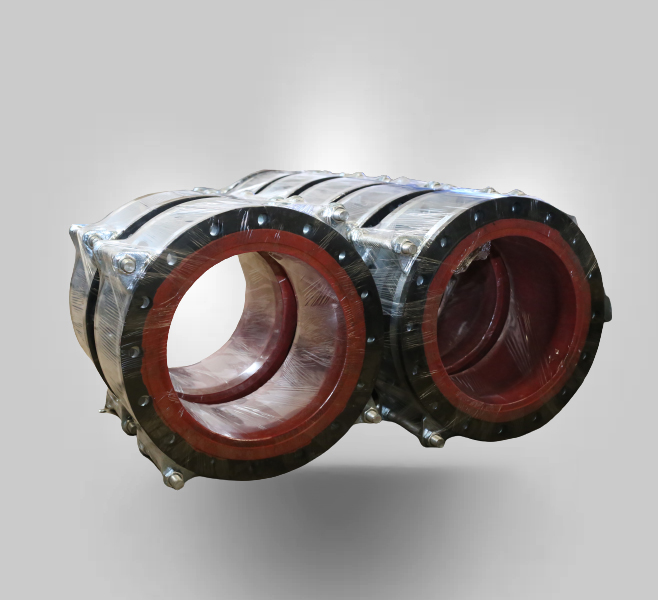
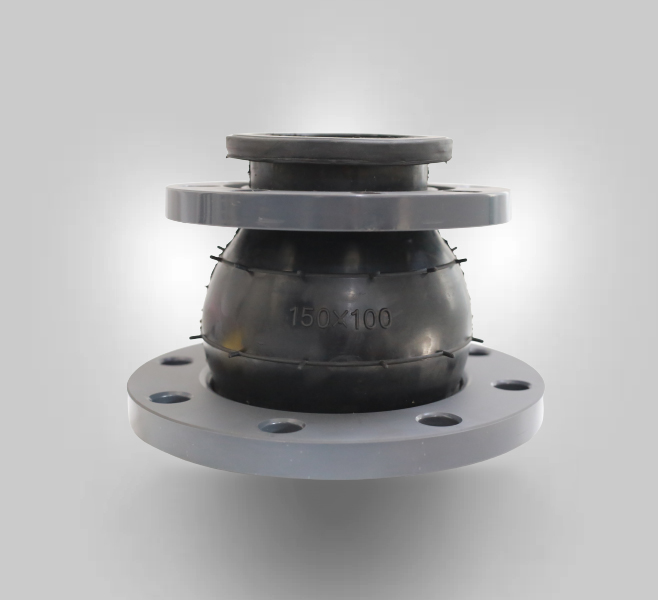
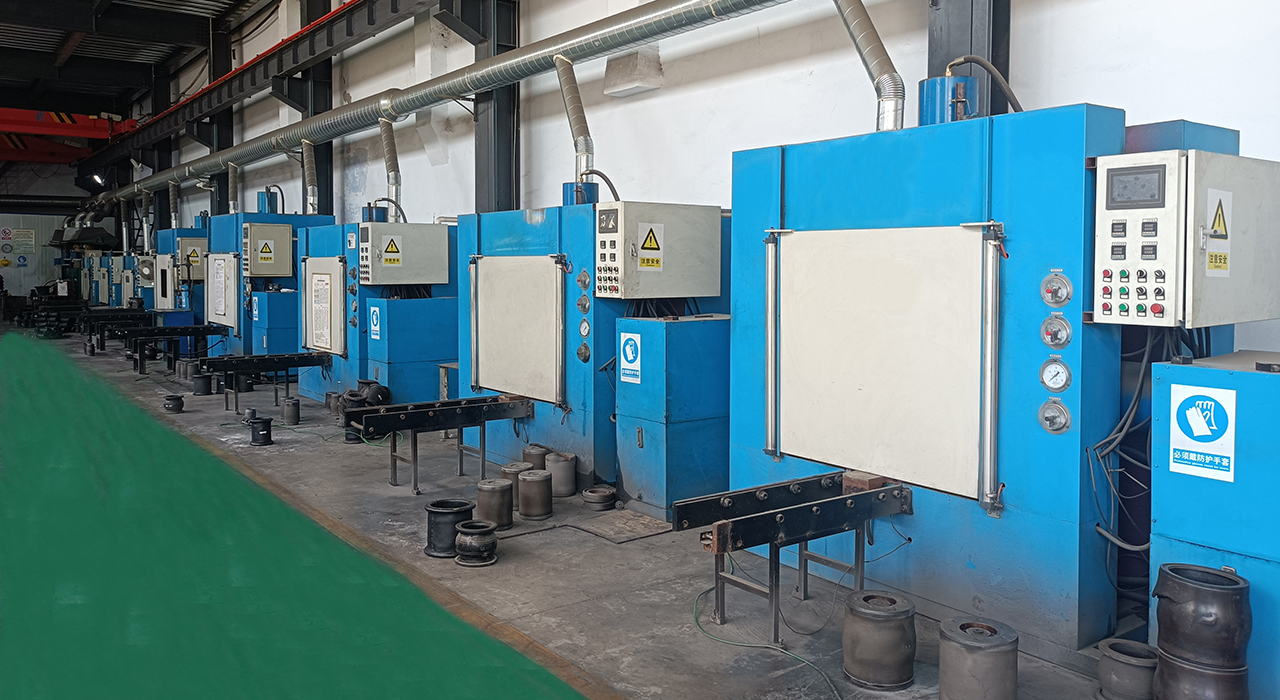
Rubber expansion joints are mainly manufactured by manual wrapping of rubber sheets and fabric reinforced rubber sheets around a bellows-shaped product mandrel. Besides rubber and fabric, reinforced rubber and/or steel wires or metal rings are added for additional reinforcement. After the entire product is built up on the mandrel, it is covered with a winding of (nylon) peel ply to pressurize all layers together. Because of the labor-intensive production process, a large part of the production has moved to eastern Europe and Asian countries.
Some types of rubber expansion joints are made with a molding process. Typical joints that are molded are medium-sized expansion joints with bead rings, which are produced in large quantities. These rubber expansion joints are manufactured on a cylindrical mandrel, which is wrapped with bias cut fabric ply. At the end the bead rings are positioned and the end sections are folded inwards over the bead rings. This part is finally placed in a mold and molded into shape and vulcanized. This is a highly automated solution for large quantities of the same type of joint.
New technology has been developed to wind rubber and reinforcement layers on the (cylindrical or bellows-shaped) mandrel automatically using industrial robots instead of manual wrapping. This is fast and accurate and provides repeatable high quality. Another aspect of using industrial robots for the production of rubber expansion joints is the possibility to apply an individual reinforcement layer instead of using pre-woven fabric. The fabric reinforcement is pre-woven and cut at the preferred bias angle. With individual reinforcement it is possible to add more or less fiber material at different sections of the product by changing the fiber angles over the length of the product.
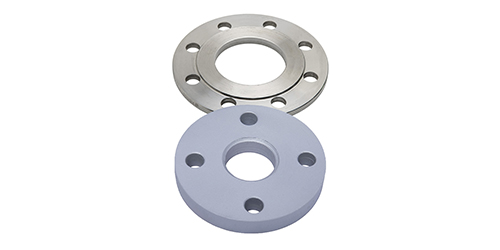
Piping components can be bolted together between flanges. Flanges are used to connect pipes with each other, to valves, to fittings, and to specialty items such as strainers and pressure vessels. A cover plate can be connected to create a "blind flange" Flanges are joined by bolting, and sealing is often completed with the use of gaskets or other methods. Mechanical means to mitigate effects of leaks, like spray guards or specific spray flanges, may be included. Industries where flammable, volatile, toxic or corrosive substances are being processed have greater need of special protection at flanged connections. Flange guards can provide that added level of protection to ensure safety.
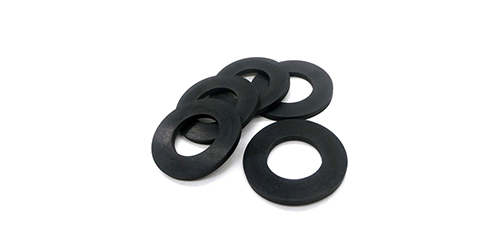
Fasteners are used for fastening and securing materials such as wood, metal, plastic, or concrete. They include nuts and bolts, threaded rods, structural bolts, machine screws, wedge anchors, washers, rivets, and more in a variety of types and sizes, including metric and inch.
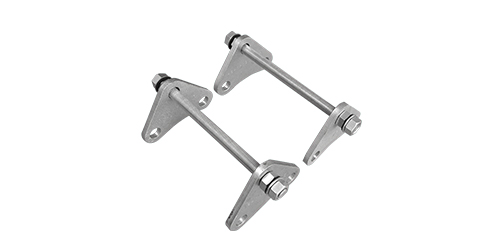
In systems that have a media with significant particulate content (i.e. flash or catalyst), a barrier of ceramic fiber can be utilized to prevent corrosion and restricted bellows flexibility resulting from the accumulation of the particulate. Purge connectors may also be utilized to perform this same function. Internal liners must also be included in the design if the expansion joint includes purge connectors or particulate barriers.
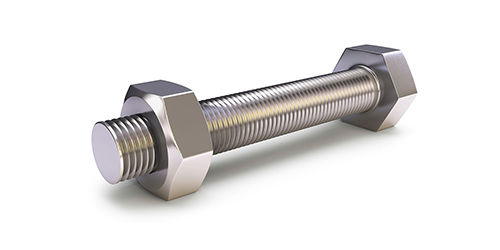
A gasket is a mechanical seal which fills the space between two or more mating surfaces, generally to prevent leakage from or into the joined objects while under compression. It is a deformable material that is used to create a static seal and maintain that seal under various operating conditions in a mechanical assembly.
