

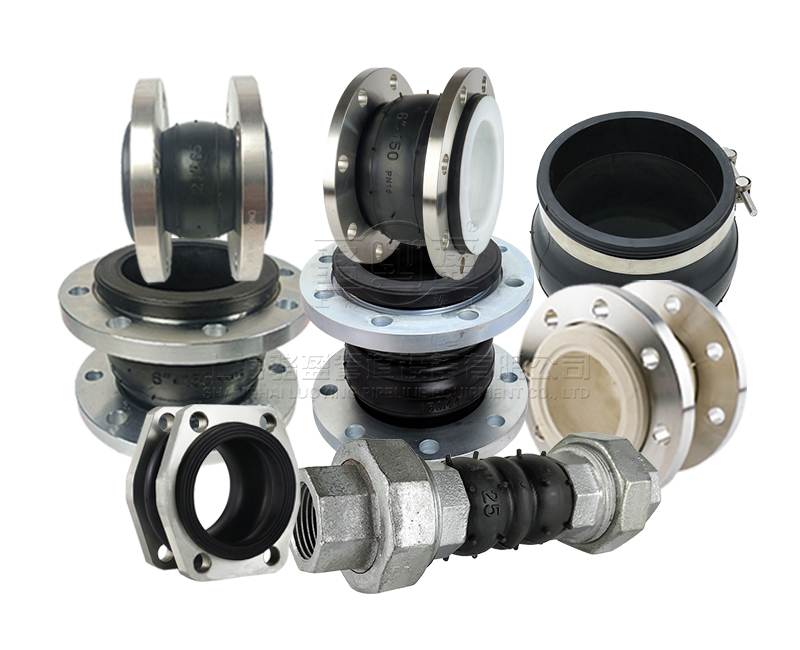
Un joint de dilatation en caoutchouc est un élément flexible fabriqué à partir d’élastomères naturels ou synthétiques ou de fluoroplastiques, auquel on ajoute si nécessaire un renfort de soufflet (acier, nylon ou aramide). Les joints de dilatation en caoutchouc constituent la solution idéale pour les réseaux de tuyauterie afin d’absorber les déplacements, les vibrations ou le bruit, ce qui permet de prolonger considérablement la durée de vie des canalisations et des équipements associés.
Les joints de dilatation sont conçus pour absorber les déplacements et les contraintes des canalisations tout en isolant les vibrations mécaniques. Ils réduisent le bruit du système, suppriment l’électrolyse et compensent les décalages ou les défauts d’alignement des tuyaux. Ils sont généralement prévus lors de la conception d’un ouvrage et sont couramment utilisés dans les systèmes de climatisation ou de chauffage, les usines pétrochimiques, les centrales électriques, les navires, les aciéries, les usines de pâte à papier et de papier, les réseaux d’eau et d’assainissement, ainsi que d’autres réseaux de tuyauterie industriels. Les joints de dilatation doivent être installés entre deux points d’ancrage fixes du système. Afin d’éviter tout dommage dû à des déplacements excessifs, l’installation de tiges de limitation ou de dispositifs de contrôle est recommandée pour toutes les applications. Les joints de dilatation doivent être inspectés, entretenus et remplacés au fil du temps.
Nos doublures et revêtements en caoutchouc peuvent être réalisés avec pratiquement tout type d’élastomère synthétique ou naturel. Une doublure en PTFE est également disponible. Pour des capacités de déplacement accrues, nous pouvons réaliser des joints de dilatation à deux, trois voire quatre arches. Pour les applications comportant des sédiments ou des milieux à haute vitesse, des modèles à arches remplies sont proposés. Afin de s’adapter aux changements de diamètre des tuyaux, nous proposons des joints réducteurs concentriques ou excentriques. Pour les raccords flexibles basiques et la réduction du bruit au niveau des pompes, nous conseillons nos joints de dilatation sphériques à brides en acier rotatives. Les accessoires nécessaires à la plupart des applications de joints de dilatation en caoutchouc comprennent des anneaux de retenue et des dispositifs de contrôle. Des protections de sécurité sont également en option.
Applications :
Industrie chimique, bâtiment, alimentation en eau, assainissement, pétrole, industries légères et lourdes, réfrigération, hygiène sanitaire, plomberie, lutte incendie, énergie électrique, etc.
Milieux :
Huiles, acides et alcalins, substances à haute température, ainsi que d’autres fluides corrosifs et abrasifs.

LUOYING
Up to DN 5000
Up to 25 Barg / 362 psi
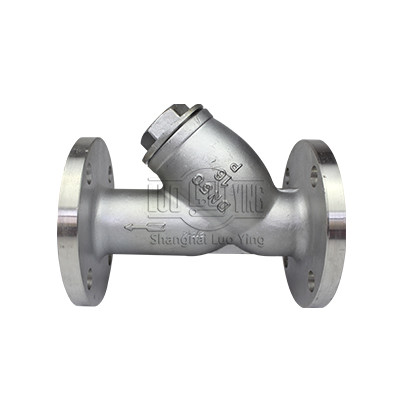
Y type pipe filter is a kind of device used for conveying medium, mainly installed in entrance gate of hydraulic control valves, pressure reducing valve, pressure relief valve, etc.
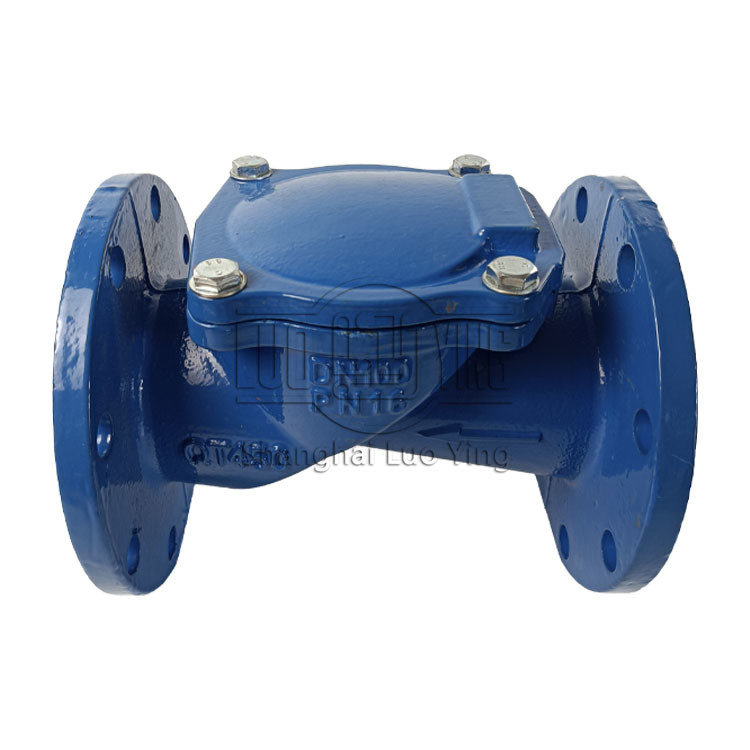
Rubber Flapper Swing Check Valves feature a unique, simple design with only one moving part. The flapper does not swing from a hinge pin; it simply flexes open. The seat is on a 45° angle. The flapper travels 35° from open to closed, usually before column reversal can occur.
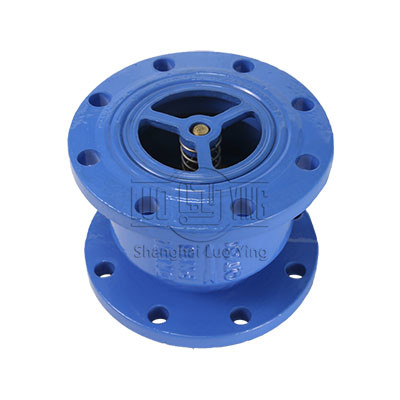
The Silent Check Valve is the preferred choice in applications where silent operation and cost are of major concern. Its short linear stroke and spring return action combine to close the valve prior to flow reversal which effectively eliminates the shock and water hammer normally associated with the sudden stoppage of a reverse flow.
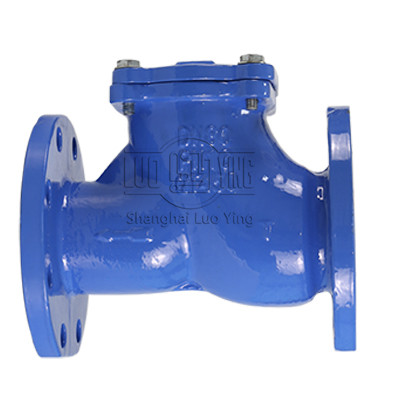
The ball check valve is suitable for use in polluted media as the ball shaped valve prevents the built up of dirt. The valve is for maintenance easy accessible through a large opening. The ball check valve may be used in waste water treatment, in power plants and in several other industries.
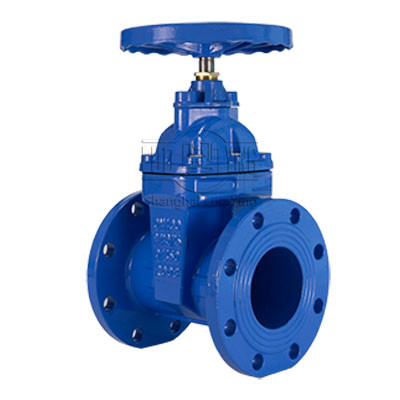
When this valve with bi-directional flow is fully open, the gate and pipeline diameter are the same and there is very low head loss.
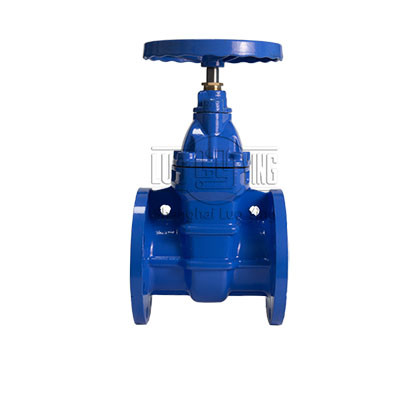
Gate valve is a full bore valve. Thanks to the metal seat, those valves are able to respond to specific operating conditions (high pressure, high temperatures). Its production is varied (cast iron, steel, stainless steel, duplex, etc.), it can therefore be used for numerous applications like the service industry and the chemical and oil industries.
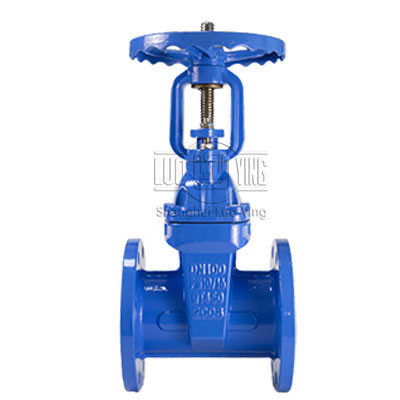
Gate valve is a full bore valve. Thanks to the metal seat, those valves are able to respond to specific operating conditions (high pressure, high temperatures). The wedge is fully vulcanized with drinking water approved EPDM rubber compound. It features an outstanding durability due to the ability of the rubber to regain its original shape, the double bonding vulcanization process and the sturdy wedge design.
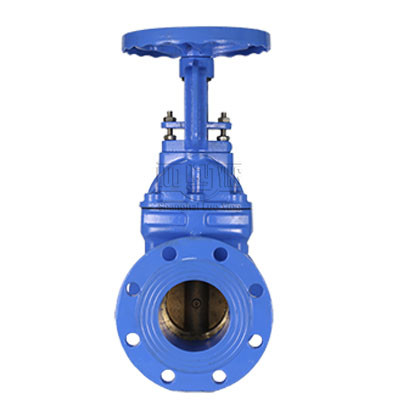
Gate valve is a full bore valve. Thanks to the metal seat, those valves are able to respond to specific operating conditions (high pressure, high temperatures). Its production is varied (cast iron, steel, stainless steel, duplex, etc.), it can therefore be used for numerous applications like the service industry and the chemical and oil industries.
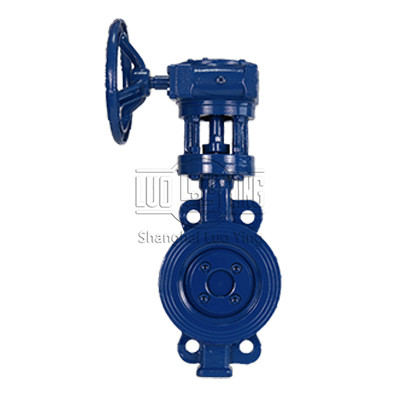
Butterfly valves are designed for cost-effective isolation of pipelines and are suitable for pressure and non-pressure water and industrial applications. The quarter turn disc can be actuated by lever or gearbox and is available in wafer, lugged or flanged body styles.
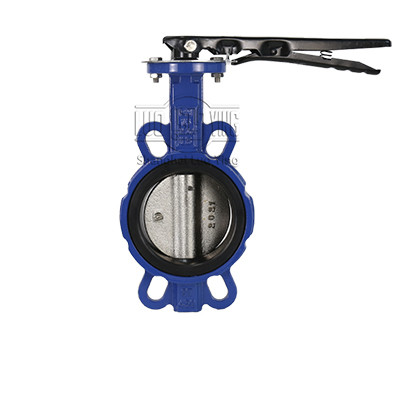
Butterfly Valve with hard phenolic seat, pin or splined connection between disc and stem, both wafer and lug style. Suitable for most general purpose applications.The valve can be used for both ‘open/close’ and for flow control operations.
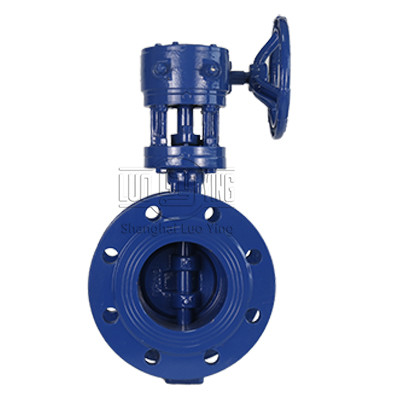
Suitable for mounting between flanges and can be used in many general applications such as in water distribution, water treatment, dams, power plants and in many other. The valve can be used as a stopper, a tap for discharging at the end of the pipeline
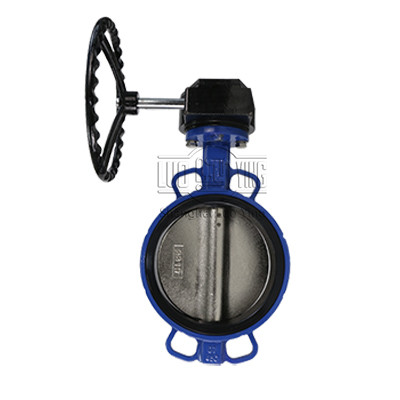
The rubber is injection moulded directly on the valve body forming a permanent bond. Consequently, there is no risk of deformation or dislocation of the liner making the valves suitable under vacuum conditions. The combination of the profiled disc edge and the excellent rubber quality ensures maximum durability of the liner.
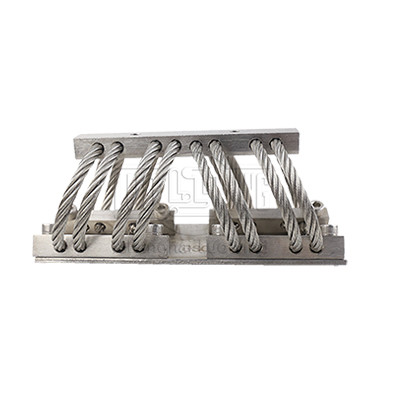
GSG series stainless steel wire rope vibration isolator is a new vibration isolator redesigned and developed on the basis of GS series vibration isolator, its positive and lateral bearing capacity is basically close, the lateral is 70% of the positive bearing capacity, the supporting structure of the wire rope are arched, therefore, the stability is stronger and the vibration isolation effect is more significant.
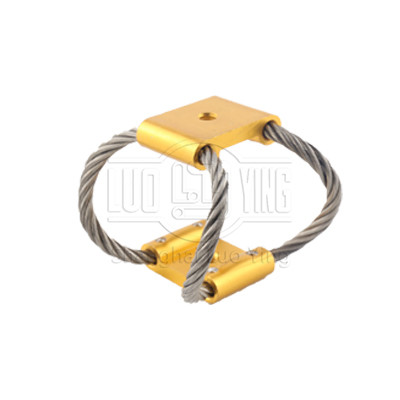
The product has the comprehensive function and effect of vibration isolation and buffering, and the design structure is compact and simple.
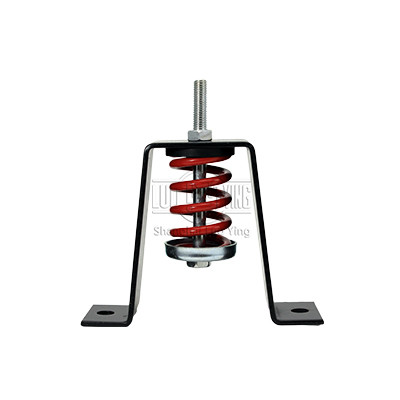
In suspension shock absorber simplest form, shock absorbers are hydraulic (oil) pump like devices that help to control the impact and rebound movement of vehicle's(or other equipment) springs and suspension. Along with smoothening out bumps and vibrations, the key role of the shock absorber is to ensure that the equipment's tyres remain in contact with the road surface at all times, which ensures the safest control and braking response from your equipment.
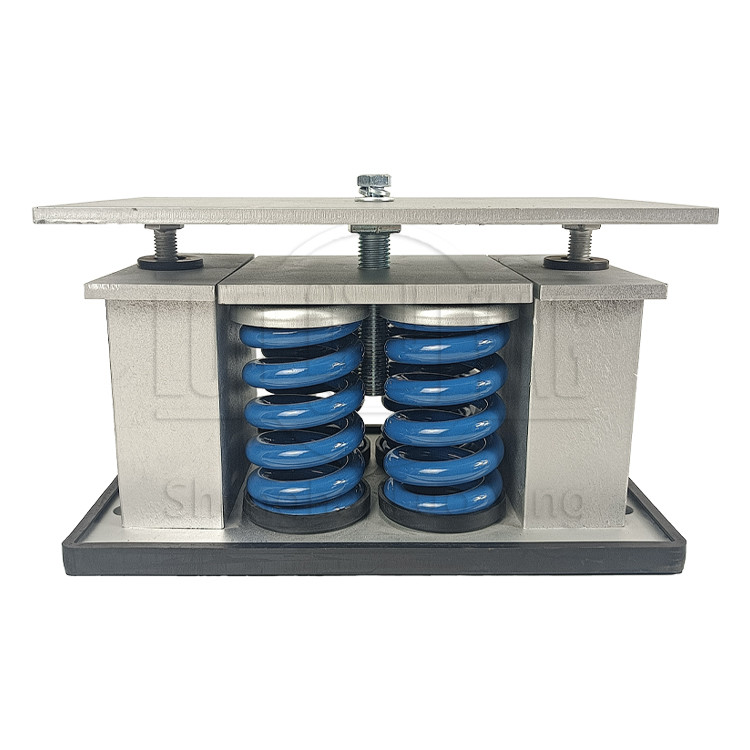
Type JA vibration isolators consist of individual, large diameter, laterally stable steel springs assembled into welded steel housing assemblies to limit vertical movement of isolated equipment when equipment loads are reduced or when equipment is subjected to large vertical external forces. The housing also provides a constant free and operating height to facilitate installation.
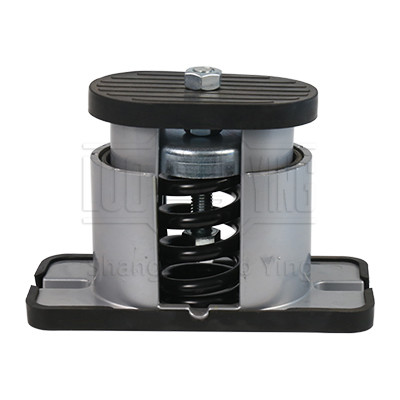
JB Series Spring-Flex Isolators are cast aluminum-housed, adjustable spring isolators with telescoping top and bottom sections separated by resilient elastomeric inserts to limit horizontal motion. A non-skid elastomeric pad is bonded to the base plate, eliminating the need for bolting. They are available in four mounting styles; style CAL-E (positioning bolt and nut), CAL-H (flat top plate), CAL-P (positioning pin), CAL-T (non-skid, ribbed elastomeric pads bonded to the top).
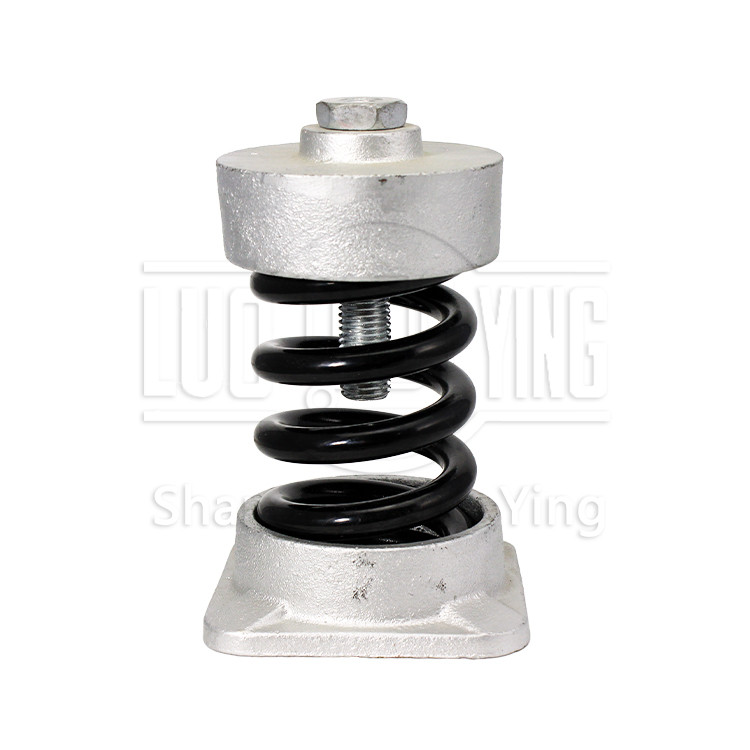
Springs have corrosion resistance epoxy powder coated finish, rated to withstand 1000 hours of salt spray testing as per test method ASTM B117.Springs have a deflection of 25mm at rated load and are designed with 50% overload capacity, to compensate for unexpected load variations and to reduce operating stress.The steel reinforced molded elastomeric load cup with 8-10mm thick ribbed base act as noise breaks for high frequencies in the audible range.
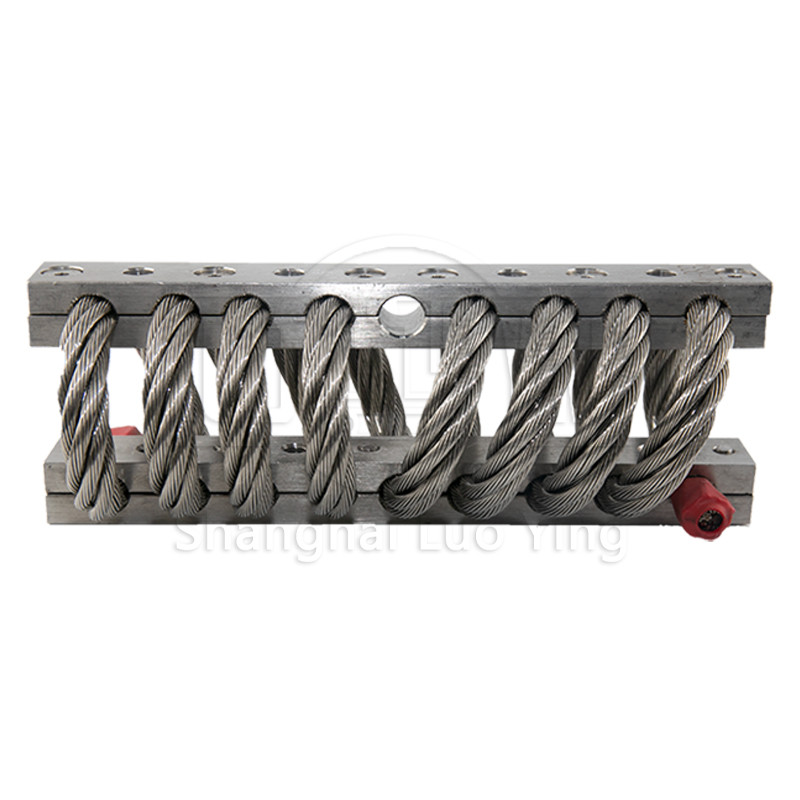
The maximum dynamic displacement is over 70 percent of the space the mount takes up, the dynamic stiffness decreases when the displacement increases. Heavy duty wire rope isolators can be installed in many different ways and are a very versatile wire rope isolator. These mounts also provide elastic support for heavy-duty equipment such as generators.
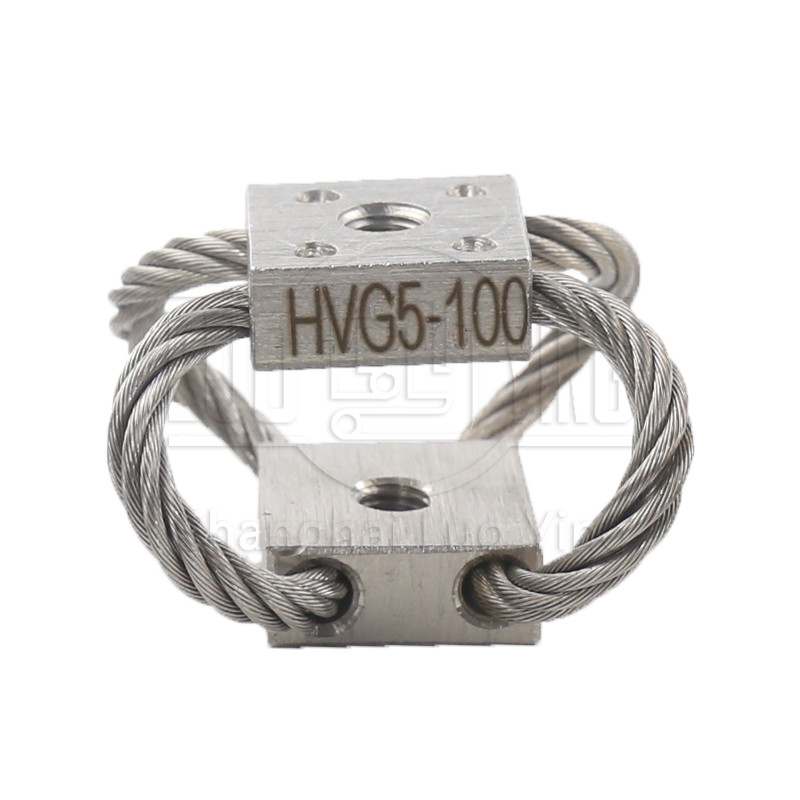
HVG wire rope isolators are special wire rope isolators that are small in size for applications in which space is limited. These wire rope isolators provide the same vibration and shock isolation capabilities as normal wire rope mounts just in a smaller size. Our compact wire rope mounts are made of high quality stainless steel braided cable threaded through aluminum alloy retaining bars, crimped and mounted for maximum shock and vibration isolation.
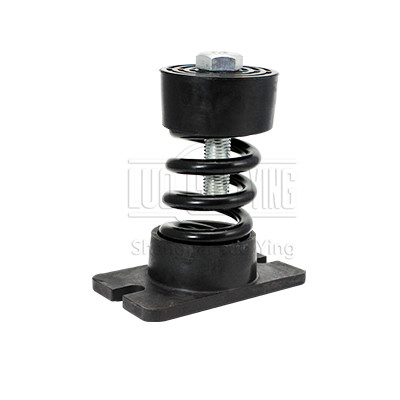
The difference between JD type spring vibration isolator and JC type is that the base area of the product has been doubled.
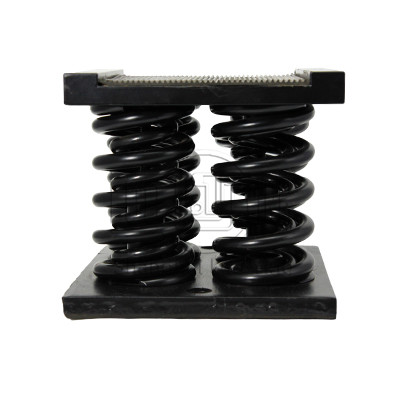
JS type combined spring vibration isolator uses multiple combined springs as the main body, the upper and lower configuration of steel plates and non-slip rubber pads, the product makes full use of the integrated steel spring low frequency and rubber vibration isolation damping characteristics, can eliminate high-frequency vibration transmission, so as to achieve good vibration isolation and noise reduction effect.
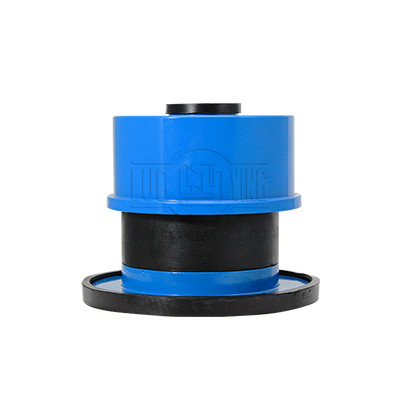
ZTA type damping spring vibration isolator main features and uses: ZTG type damping spring vibration isolator is composed of spring, upper rubber sleeve, lower rubber pad, upper and lower iron parts, etc. The vibration isolator has the advantages of simple structure, small volume, good vibration isolation effect, easy installation, etc.
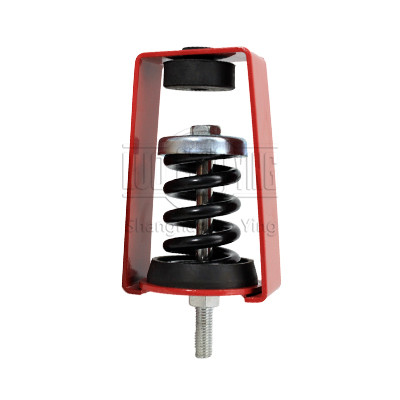
ZTY type spring vibration isolator is used in fan coil and other small equipment vibration damping, in the installation of central air conditioning, fan coil vibration isolation installation can improve the operation of the wind plate to extend the service life.
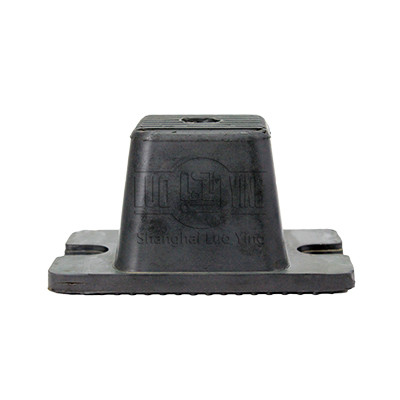
Rubber Cutting Vibration Isolators are specifically designed to give high load capacity with relatively large static deflections and are compact in weight and easy to install. Normally, cone mountings are assembled with overload and rebound washers to control and limit movement of the mounted equipment under vehicle stop /start, torque reaction, braking forces, marine seaway motion and shock forces etc.
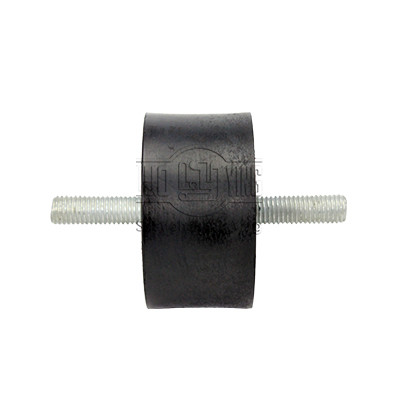
YZT Rubber Shock Absorber can effectively bear all levels of load and deformation of wide range, especially suitable for the installation of electronic instruments.
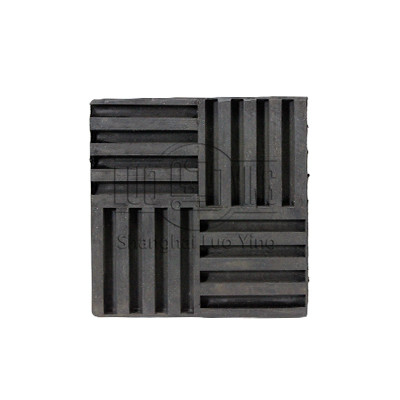
SD Rubber Damping Pad has a good effect on the passive vibration isolation of the instrument and meter, and the effect is more obvious to the high frequency vibration isolation effect of the punch and forging bed.
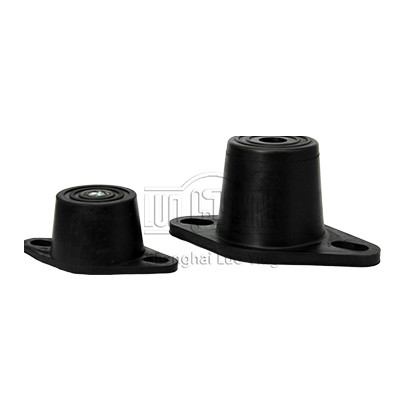
RM rubber mount has reasonable design, generally applicable to small and medium equipment shock-absorbing, stable running, it's the best choice for situation where has strict demand on installation.
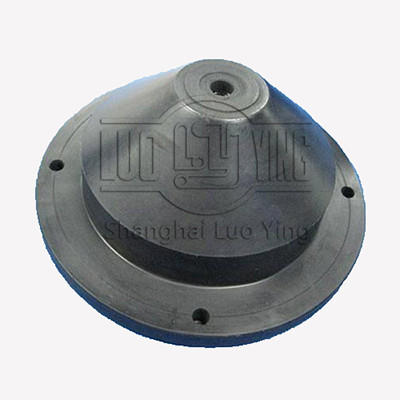
JSD Type rubber shock absorber is composed of metal and rubber composite material, the surface is covered with rubber, can prevent metal from corrosion.
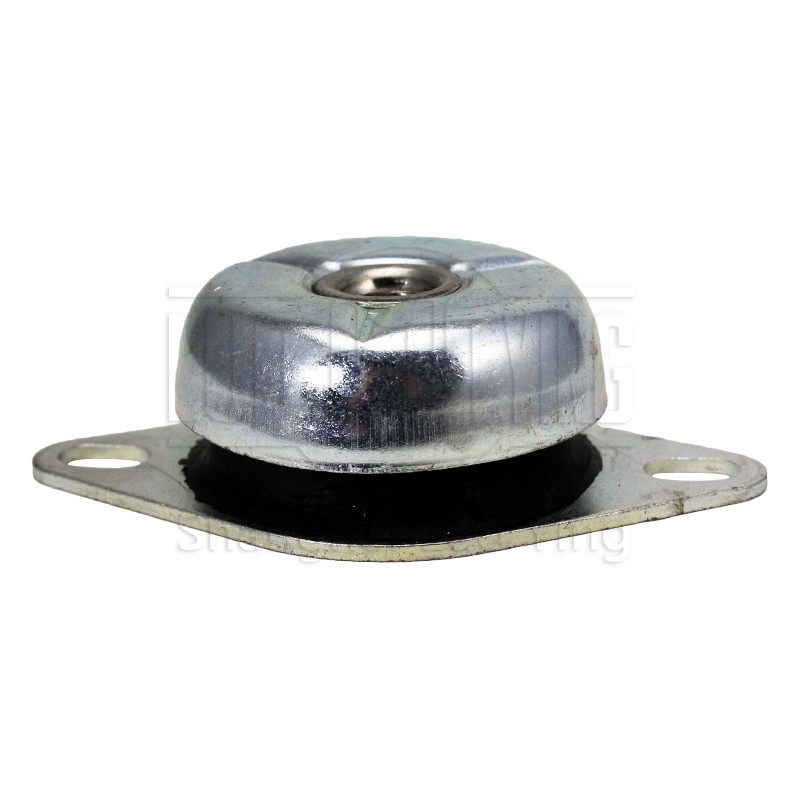
JNH mounts are fail safe marine engine mounts that have a higher profile, the high profile rubber section produces larger deflections and low natural frequencies. These marine engine mounts work the rubber in shear and compression. JNH mounts are designed for applications where maximum vibration isolation is a priority such as in rotating or mobile machines that are continuously subjected to shocks.
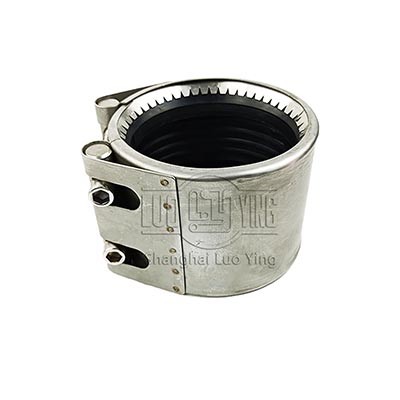
The use of high quality Stainless Steel and Nitrile Rubber gaskets permits use of the product in a range of applications from reticulated water and sewerage to industrial use. A Repair Clamp’s variable OD Range enables a single clamp to adapt to any pipe OD within that variable range. This dramatically reduces the stocking requirement to cater for each individual pipe type and size.
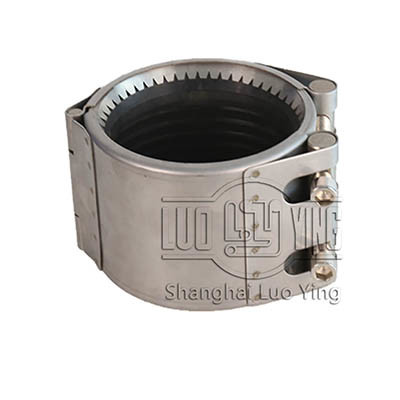
The use of high quality Stainless Steel and Nitrile Rubber gaskets permits use of the product in a range of applications from reticulated water and sewerage to industrial use. A Repair Clamp’s variable OD Range enables a single clamp to adapt to any pipe OD within that variable range. This dramatically reduces the stocking requirement to cater for each individual pipe type and size.
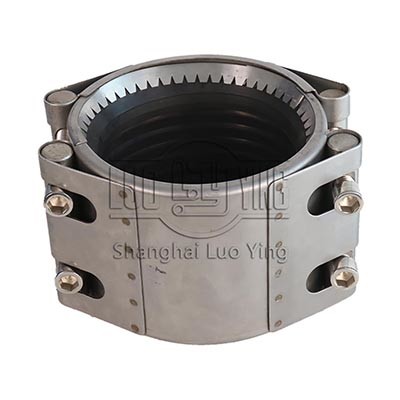
Leaking water pipes can cause serious problems. The damaged pipes must be repaired as soon and safe as possible, but also durably to prevent waterloss. LuoYing pipes has avariety of repair clamps to fix a variety of pipes. From snap clamps to joint leak clamps and more, our repair clamps are made to repair holes or breaks in water mains.
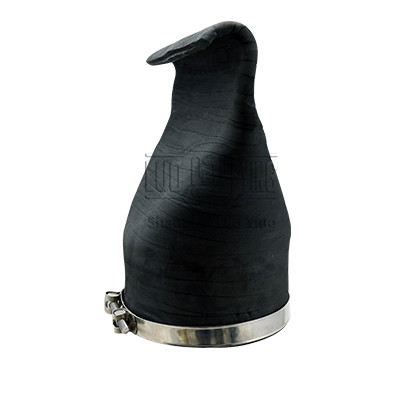
LUOYING Duckbill Check Valve is reliable and cost effective flow control solution.Rubber duckbill valve for sewage made in our company have been receiving reputation not only at home but overseas.
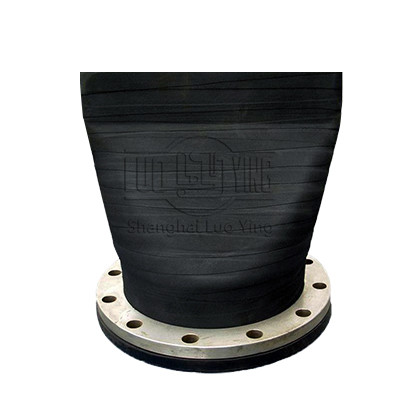
Duckbill Check Valves are manufactured similarly to the Slip-on Duckbill Check Valve, with the addition of an integral elastomeric flange. The Flanged Rubber Duckbill Check Valve is designed to be efficient, quiet and tough. It requires no external power sources, thereby reducing operating costs. The simple design means there are no moving mechanical parts to break down or jam, reducing maintenance costs.This type of valve is ideally suited to marine outfall diffusers.
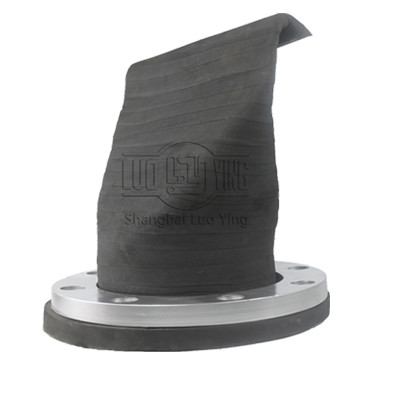
Flange integral duckbill check valve is a simple, reliable, cost effective method of backflow prevention. The series flange integral duckbill check valve is designed to be installed between two mating flanges. The simple maintenance-free elastomer with a flanged connection eliminates the mechanical parts which can wear and jam in conventional check valves. For installation at the end of pipe line, the valve can be ordered with optional back up flanges.
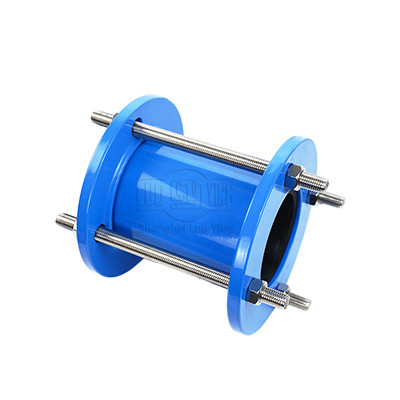
Dresser Coupling Joint on the basis of absorbing foreign advanced technology,combined with the actual needs of the research and development of a new pipeline connector,reasonable product structure design,reliable sealing performance;ends The socket connection, installation and removal easy.Suitable for connection to transport water,oil,gas and particulate powder steel pipe,cast iron pipe,ductile iron pipe.
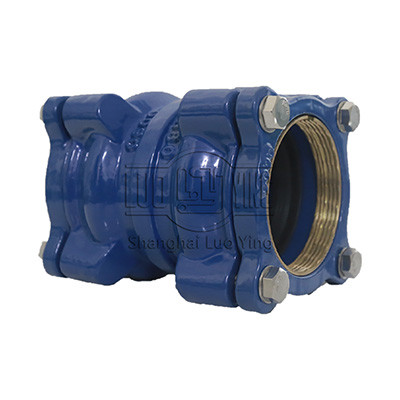
Between end-rings and sleeve, grip rings, press rings and gaskets are positioned. The end-rings are pressed onto the sleeve when the bolts are tightened. The rubber gasket, pressed by the press ring and grip ring, then completely fills up the space between pipe and coupling.
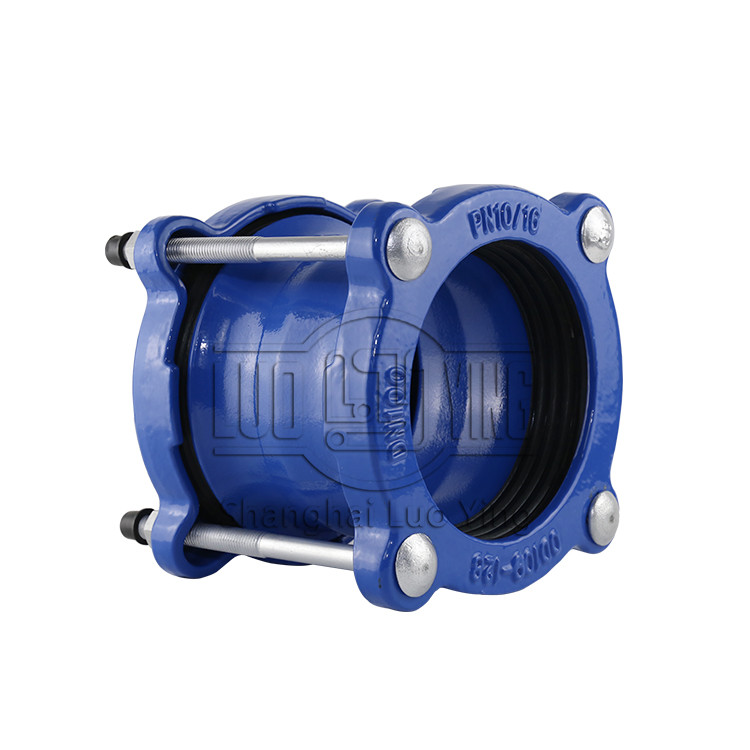
Used to join two pipes or tube spigot ends,Designed to be connected to pipes of different materials, or for use with one material only, couplings are used to join two pipes or tube spigot ends.
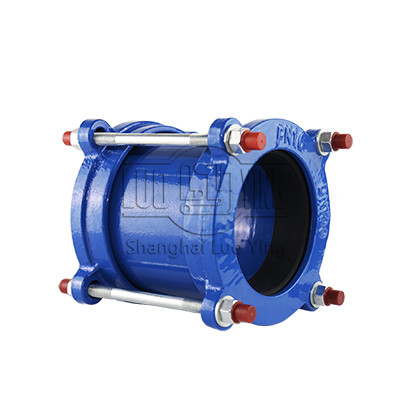
The expansion joint is mainly composed of a body, a telescopic sleeve, a gland, a sealing ring and a bolt. The telescopic body, telescopic sleeve and gland are made of 16MnR, and the sealing ring is made of NBR sealing, which has good water tightness and
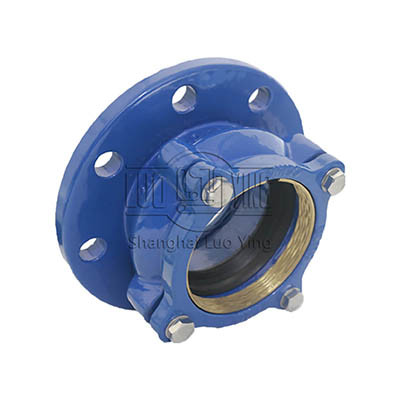
The coupling consists of a sleeve that is placed between two end-rings. Between end-rings and sleeve, grip rings, press rings and gaskets are positioned. The end-rings are pressed onto the sleeve when the bolts are tightened. The rubber gasket, pressed by the press ring and grip ring, then completely fills up the space between pipe and coupling.
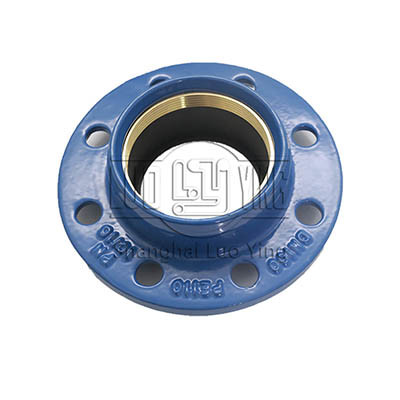
Tensile combination flanges for PE, PVC and ductile iron pipes, and non-tensile combination flanges for PVC, steel and ductile iron pipes. The design features a flexible positioning and chamfering of the pipe and a big angular deflection.
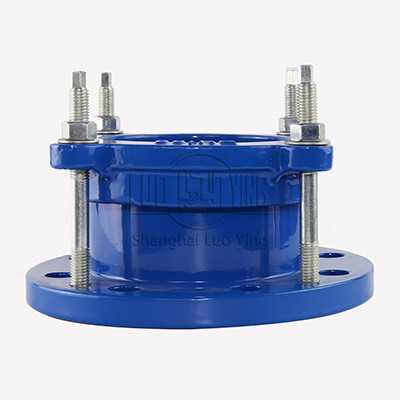
Universal straight fittings, stepped fittings and flange adapters for cast iron, ductile iron, steel, uPVC and asbestos cement pipes. Bolts and nuts with anti-friction coating provide long-lasting corrosion protection and allow for angular offsets of up to ±4°, so they are easy to install.
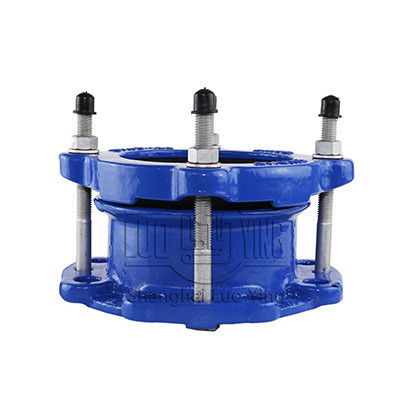
Flange adaptor couplings provide an effective means for inserting a flange into a pipeline for connection to another flanged component or valve. These adaptors are suitable for use in potable water; non-potable water and wastewater pipelines. Working pre
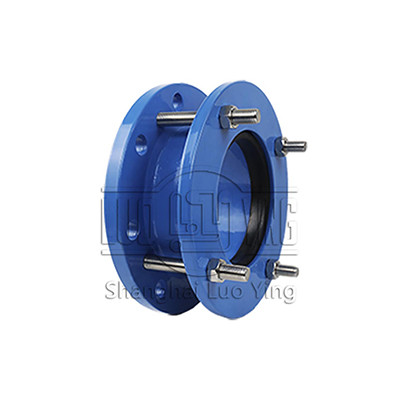
Flange adaptor couplings provide an effective means for inserting a flange into a pipeline for connection to another flanged component or valve. These adaptors are suitable for use in potable water; non-potable water and wastewater pipelines.
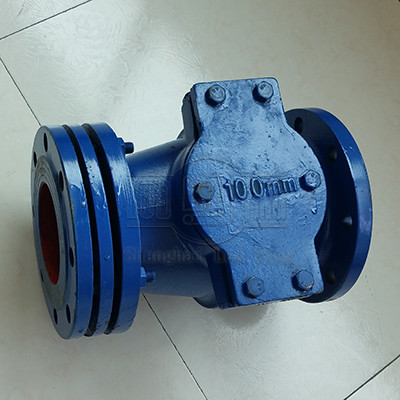
Filter Expansion Joint, the lastest design for double uses, is the new coming pipeline facility with its compact structure, small size and light weight.1×1-50-600 horizontal screw-wing water meter without filter mesh, can block the water with the impurities (such as sand, water grass or block). Thus, it is needed to equip the pipes with the water-filtering tanks. But, owing to its big bore and connection with flanges, expansion joint is in need for easy water meter installation and maintenance.
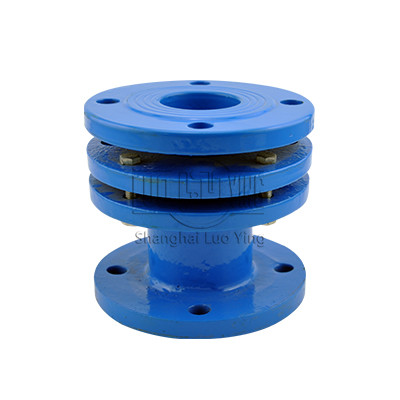
Flexible sleeve expansion joint provides great convenience for water supply pipeline,water tower,water pump,water meter and valve to install and detach.It also can compensate the expansion or contraction caused by temperature change.
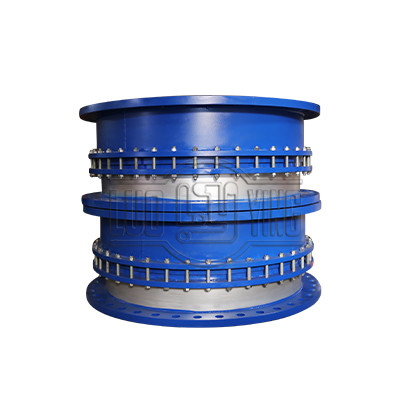
Thermodynamic compensator is mainly applied axial compensation, also has superior bending capacity, so I do not take into account the impact of sink pipes. Buried corrugated sleeve of compensation under the protection of housing and orientation compensation for the realization of freedom stretching, and other properties the same as ordinary bellows.
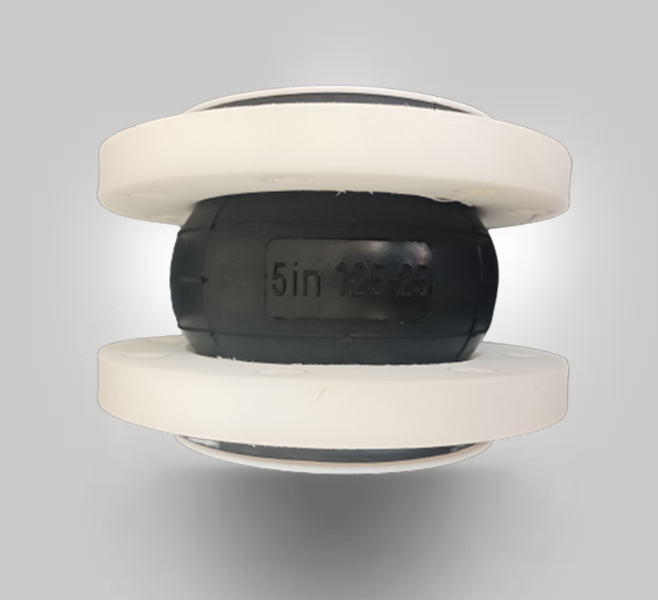
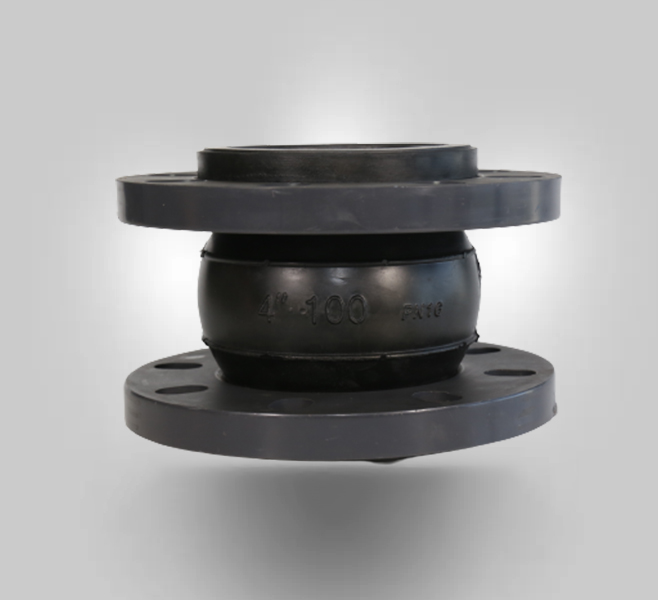
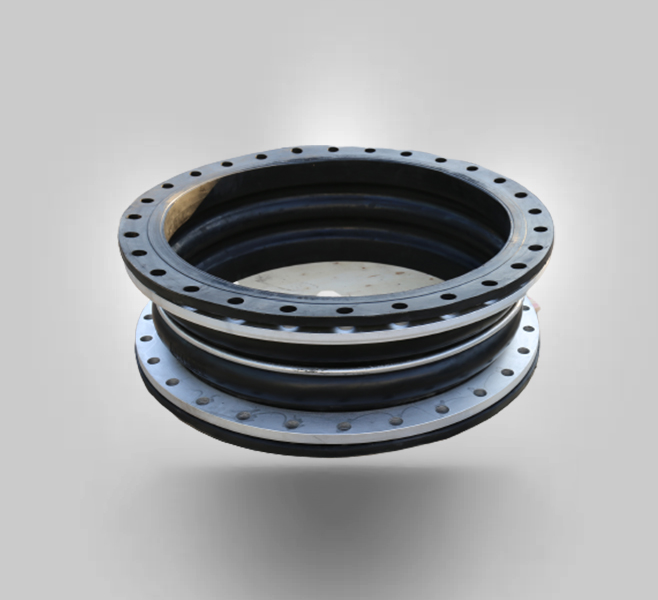
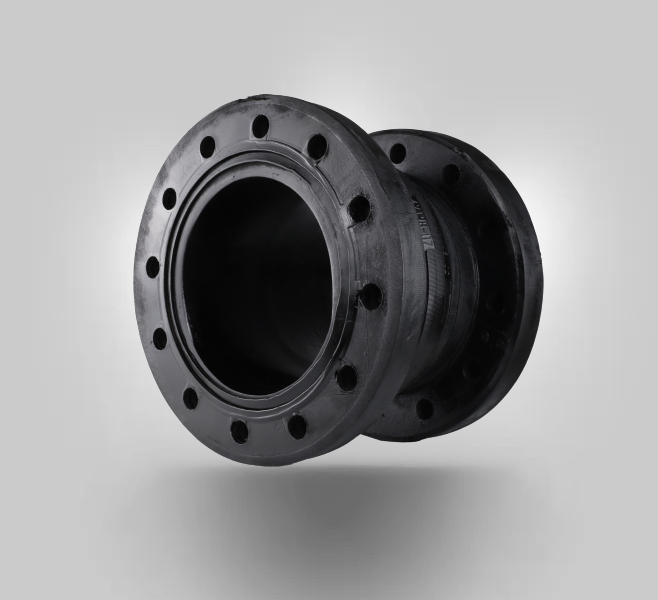
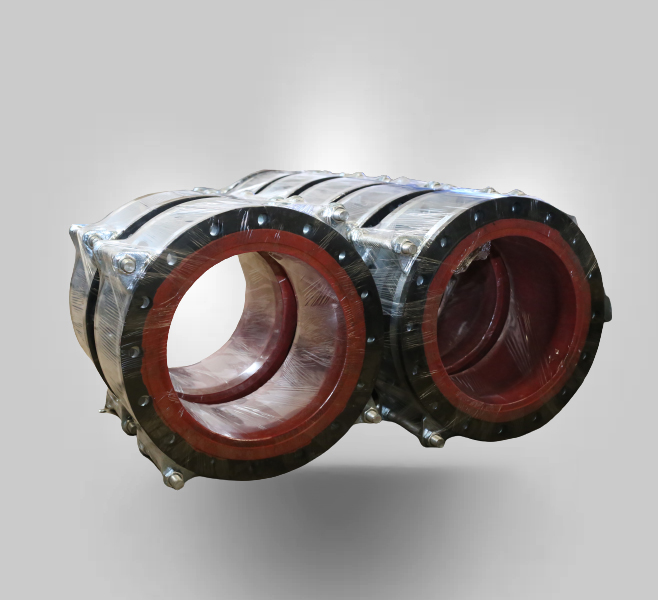
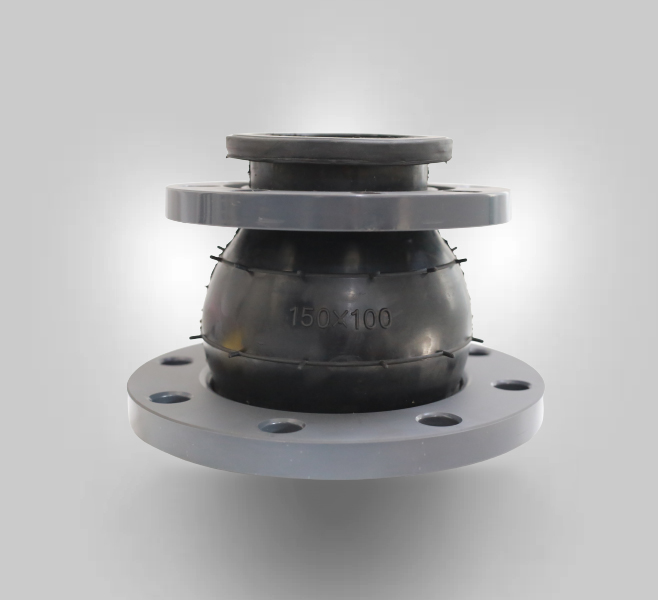
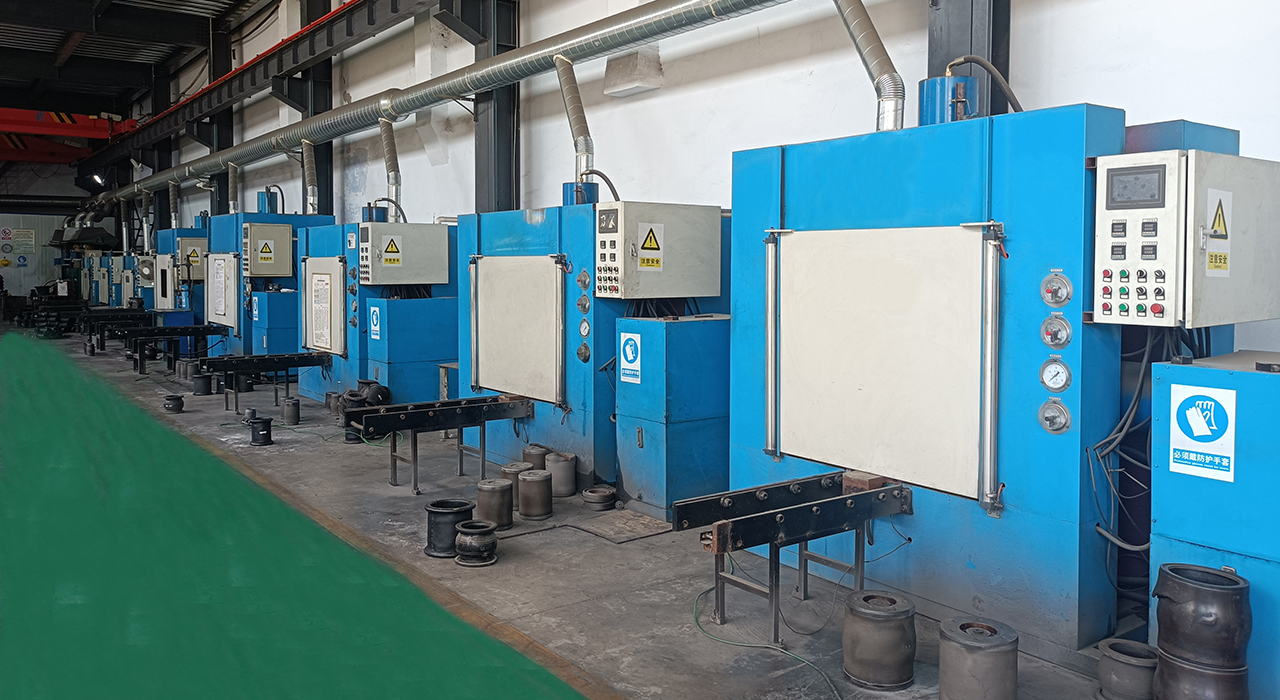
Rubber expansion joints are mainly manufactured by manual wrapping of rubber sheets and fabric reinforced rubber sheets around a bellows-shaped product mandrel. Besides rubber and fabric, reinforced rubber and/or steel wires or metal rings are added for additional reinforcement. After the entire product is built up on the mandrel, it is covered with a winding of (nylon) peel ply to pressurize all layers together. Because of the labor-intensive production process, a large part of the production has moved to eastern Europe and Asian countries.
Some types of rubber expansion joints are made with a molding process. Typical joints that are molded are medium-sized expansion joints with bead rings, which are produced in large quantities. These rubber expansion joints are manufactured on a cylindrical mandrel, which is wrapped with bias cut fabric ply. At the end the bead rings are positioned and the end sections are folded inwards over the bead rings. This part is finally placed in a mold and molded into shape and vulcanized. This is a highly automated solution for large quantities of the same type of joint.
New technology has been developed to wind rubber and reinforcement layers on the (cylindrical or bellows-shaped) mandrel automatically using industrial robots instead of manual wrapping. This is fast and accurate and provides repeatable high quality. Another aspect of using industrial robots for the production of rubber expansion joints is the possibility to apply an individual reinforcement layer instead of using pre-woven fabric. The fabric reinforcement is pre-woven and cut at the preferred bias angle. With individual reinforcement it is possible to add more or less fiber material at different sections of the product by changing the fiber angles over the length of the product.
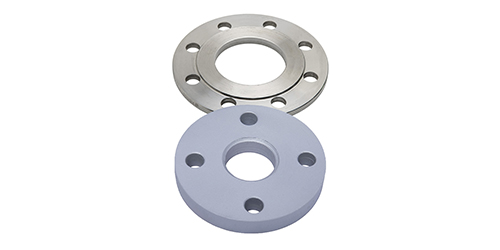
Piping components can be bolted together between flanges. Flanges are used to connect pipes with each other, to valves, to fittings, and to specialty items such as strainers and pressure vessels. A cover plate can be connected to create a "blind flange" Flanges are joined by bolting, and sealing is often completed with the use of gaskets or other methods. Mechanical means to mitigate effects of leaks, like spray guards or specific spray flanges, may be included. Industries where flammable, volatile, toxic or corrosive substances are being processed have greater need of special protection at flanged connections. Flange guards can provide that added level of protection to ensure safety.
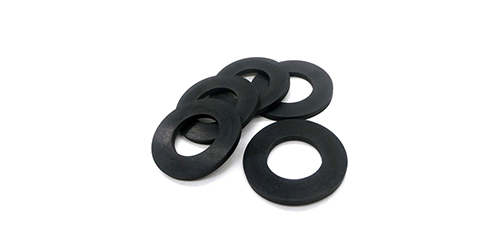
Fasteners are used for fastening and securing materials such as wood, metal, plastic, or concrete. They include nuts and bolts, threaded rods, structural bolts, machine screws, wedge anchors, washers, rivets, and more in a variety of types and sizes, including metric and inch.
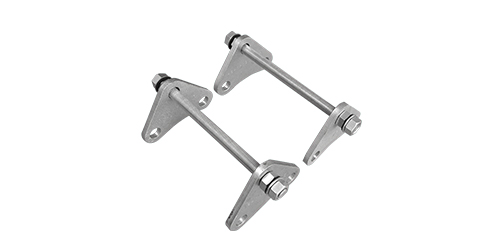
In systems that have a media with significant particulate content (i.e. flash or catalyst), a barrier of ceramic fiber can be utilized to prevent corrosion and restricted bellows flexibility resulting from the accumulation of the particulate. Purge connectors may also be utilized to perform this same function. Internal liners must also be included in the design if the expansion joint includes purge connectors or particulate barriers.
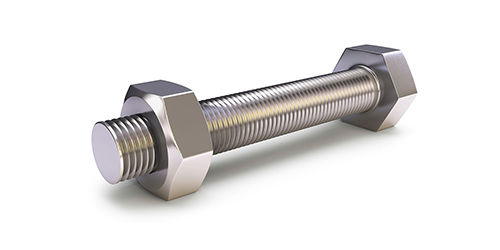
A gasket is a mechanical seal which fills the space between two or more mating surfaces, generally to prevent leakage from or into the joined objects while under compression. It is a deformable material that is used to create a static seal and maintain that seal under various operating conditions in a mechanical assembly.