

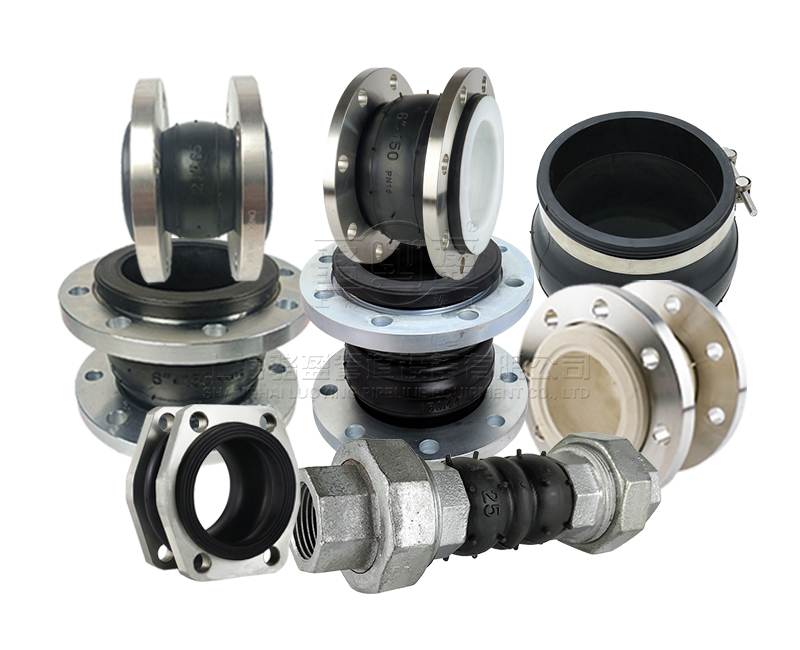
Les joints de dilatation sont conçus pour absorber les déplacements et les contraintes des canalisations tout en isolant les vibrations mécaniques. Ils réduisent le bruit du système, suppriment l’électrolyse et compensent les décalages ou les défauts d’alignement des tuyaux. Ils sont généralement sélectionnés lors de la conception technique d’un réseau et sont largement utilisés dans les systèmes de climatisation et de chauffage, les installations pétrochimiques, les centrales électriques, les navires, les aciéries, les usines de pâte à papier, les réseaux d’eau et d’assainissement ainsi que d’autres réseaux de tuyauterie industriels. Les joints de dilatation doivent être installés entre deux points d’ancrage fixes du système. Afin d’éviter toute dégradation due à des déplacements excessifs, l’installation de tiges de contrôle ou de dispositifs de limitation est recommandée pour toutes les applications. Les joints de dilatation doivent faire l’objet d’inspections, d’entretiens et de remplacements réguliers au fil du temps.
Nos doublures et revêtements en caoutchouc peuvent être réalisés avec pratiquement tout type d’élastomère synthétique ou naturel. Une doublure en PTFE est également proposée en option. Pour obtenir une capacité de déplacement accrue, nous pouvons fabriquer des joints de dilatation à deux, trois voire quatre arches. Pour les applications comportant des sédiments ou des milieux à haute vitesse, des modèles à arches remplies sont disponibles. Afin de s’adapter aux variations de diamètre des tuyaux, nous proposons des joints réducteurs concentriques ou excentriques. Pour les raccords flexibles standards et la réduction du bruit au niveau des pompes, nous vous conseillons nos joints de dilatation sphériques équipés de brides en acier rotatives. Les accessoires indispensables pour la plupart des applications de joints de dilatation en caoutchouc comprennent des anneaux de retenue et des dispositifs de contrôle. Des protections de sécurité sont également disponibles en option.
Applications :
Industrie chimique, bâtiment, alimentation en eau, assainissement, pétrole, industries légères et lourdes, réfrigération, hygiène sanitaire, plomberie, lutte incendie, énergie électrique, etc.
Milieux compatibles :
Huiles, acides et alcalins, fluides à haute température ainsi que d’autres substances corrosives et abrasives.

LUOYING
Up to DN 5000
Up to 25 Barg / 362 psi
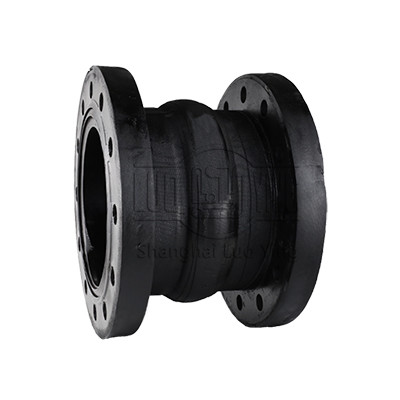
Multiple plies of rubber impregnated high strength polyester or nylon tire cord form the first pressure reinforcement over the tube. Arch swell in response to pressure and arch migration are virtually eliminated by criss-crossed layers of reinforcement th
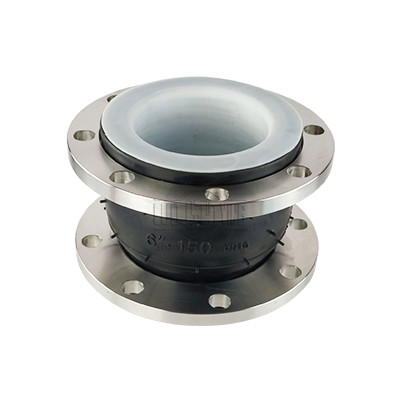
PTFE provides added resistance to aggressive chemicals and temperatures versus a traditional rubber tube expansion joints.
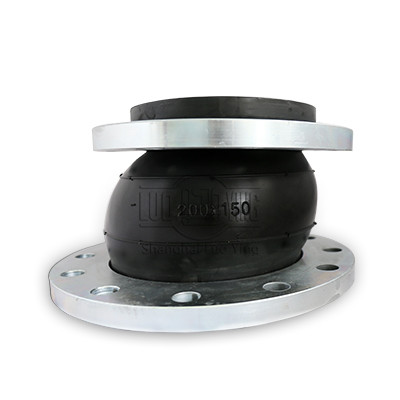
Reducing flexible rubber joint is widely used in the field of chemical industry, construction, supply water, sewage drainage, petroleum, light and heavy industry, sanitation, plumbing, electricity and other fundamental engineering.
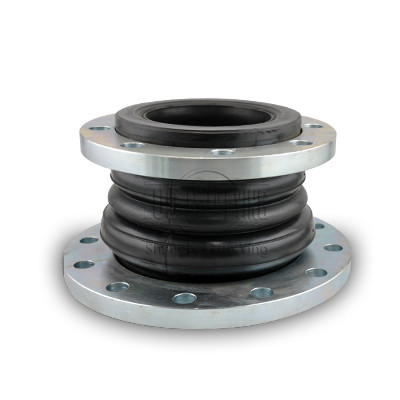
The concentric design is where the center of each flange is concentric or in line with each other
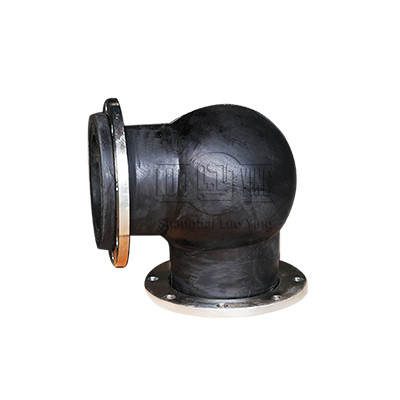
Flexible rubber joint is also called shock absorber,pipe shock absorber,shock proof box and soft joint ,and so on. It is a pipe joint of high-flexibility,high-gas tightness,resistance to medium and climate.It has such functions as following.
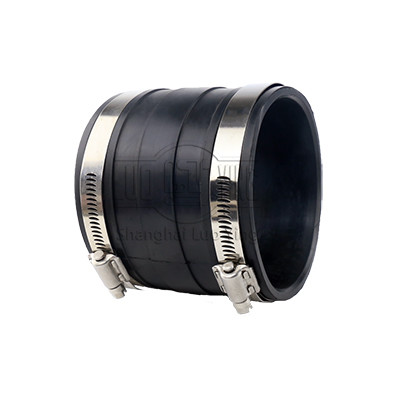
Clamp type rubber joint composed of inner rubber layer, fabrics enhancement layer and outer rubber layer, then by molding vulcanization and combine with clamp. Inner rubber directly bear abrasion and corrosion of medium delivered; outer rubber layer prote
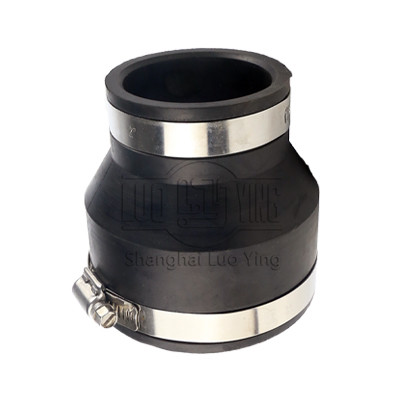
Clamp flexible rubber joint is composed of inner layer, polyamide fiber cord fabric, outer layer rubber and lapped joint flange, it have many advantage such as high temperature and pressure resistance.
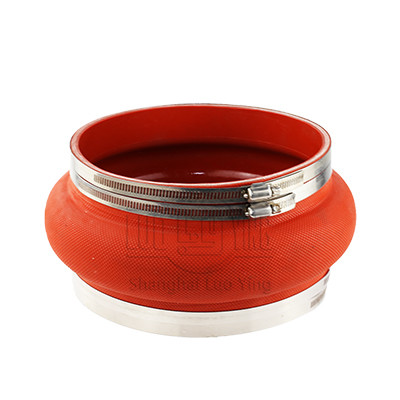
Solutions for steel industryLorem ipsum dolor sit amet Lorem ipsum dolor sit ametSolutions for steel industryLorem ipsum dolor sit amet Lorem ipsum dolor sit ametSolutions for steel industry
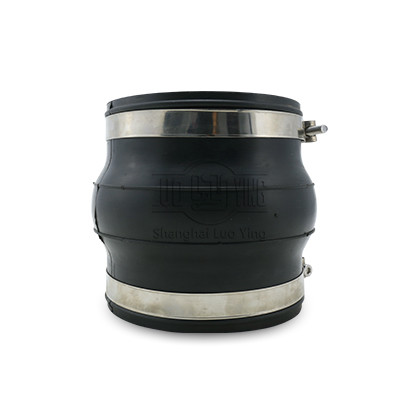
Clamp Flexible Joint is also called Flexible Rubber Joint, flexible joint, rubber coupling, flexible rubber joint, rubber soft connection. Clamp Flexible Rubber Joint is flexible coupling of metal pipe, composed by inner layer,Nylon cord fabric enhanced,
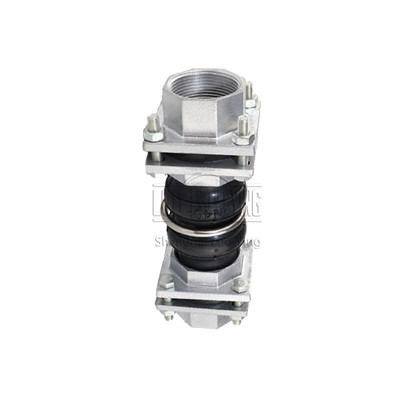
Rubber joint has the characteristics of good sealing, light weighting, easy to fix and maintain, also has long working expecting,but please keep far away from sharp metal in order to avoid breaking the rubber body.
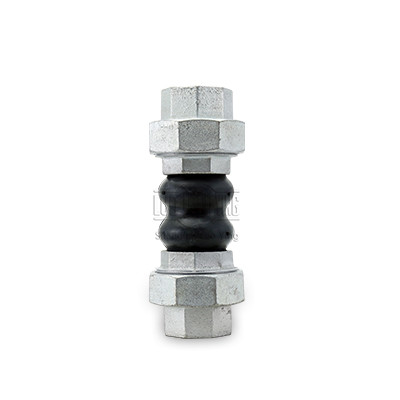
Screwed type flexible rubber joints are designed to absorb movements and stress on piping systems, compensate for pipe misalignment, reduce vibration and system noise, protect against start-up forces as well as system surges. Thus, they are also called sh
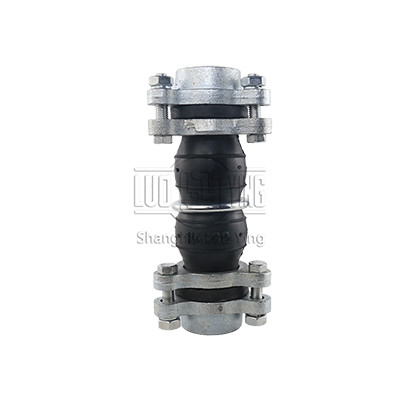
Solutions for steel industryLorem ipsum dolor sit amet Lorem ipsum dolor sit ametSolutions for steel industryLorem ipsum dolor sit amet Lorem ipsum dolor sit ametSolutions for steel industry
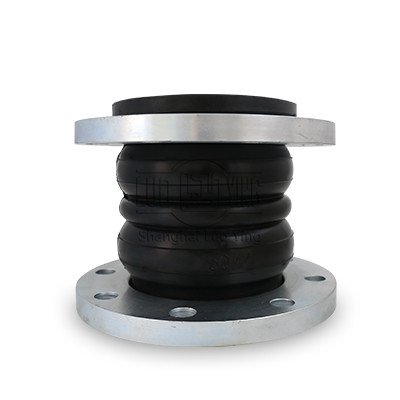
Double Ball Rubber Joint, is mainly the use of rubber unique properties, such as high flexibility, high air tightness, chemical resistance and radiation resistance, high strength, strong cold stability bias ply polyester composite Hou contrast, high press
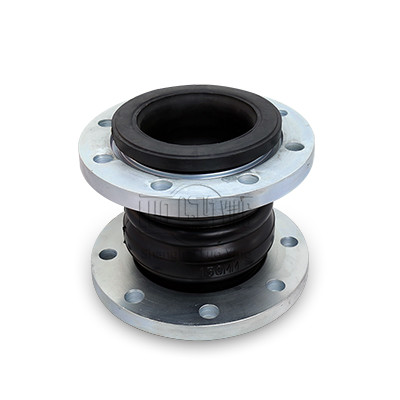
Rubber joints, also known as flexible rubber joints, flexible rubber joints, soft rubber joints, shock absorber, (shock absorbers throat), rubber shock absorbers, rubber expansion joints and so on. The product consists of inner and outer layers of plastic
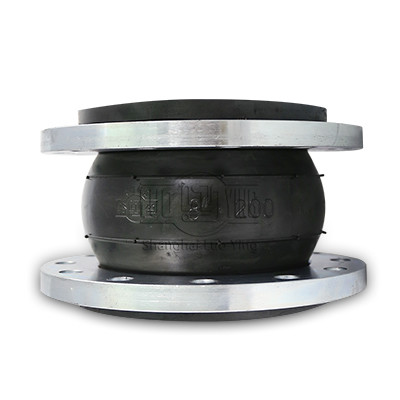
Rubber joints are also called rubber hose flexible joints, flexible rubber joints, rubber flexible joints, bendable rubber joints, high pressure rubber joints, rubber shock absorbers, compensators and so on. According to the connection method, there are 3
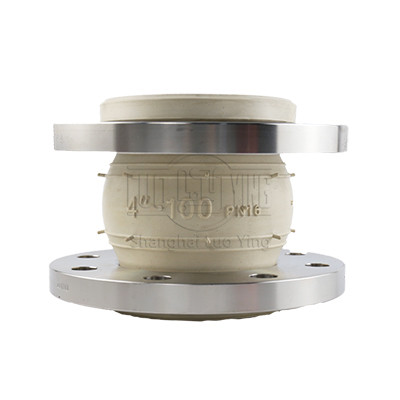
The main body of silicone rubber joints for food production enterprises is made of nylon cord as the reinforcing material, which is vulcanized under heating and pressure conditions. Food grade rubber joints are used in cold water, hot water, compressed ai
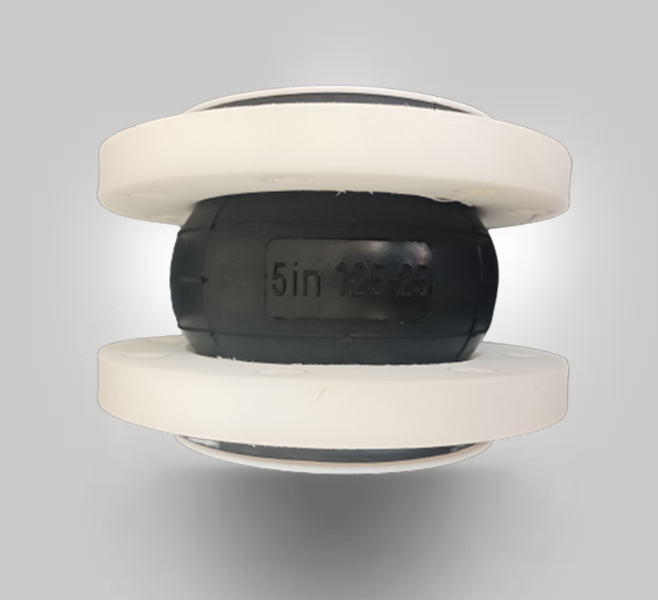
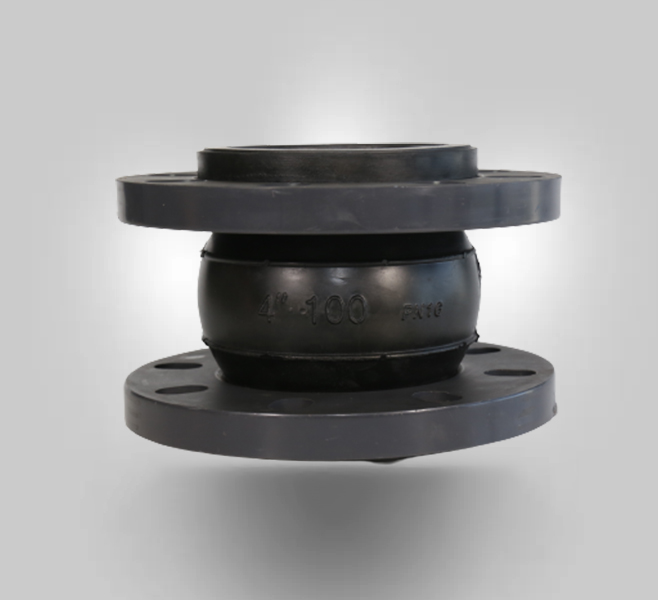
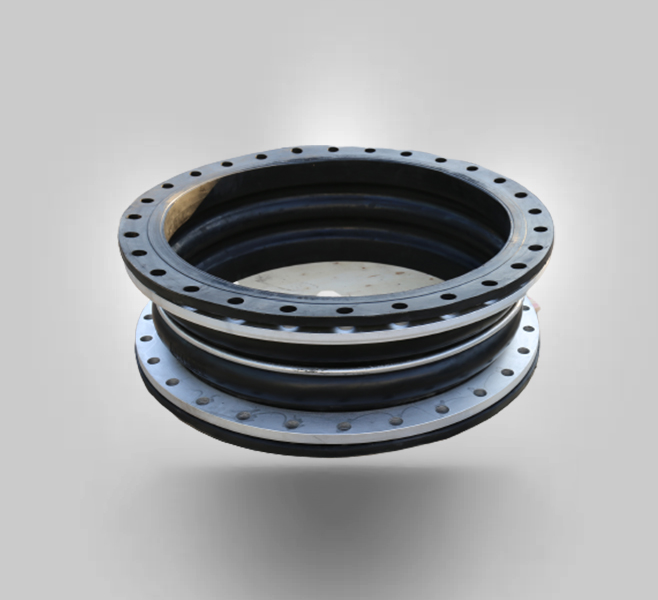
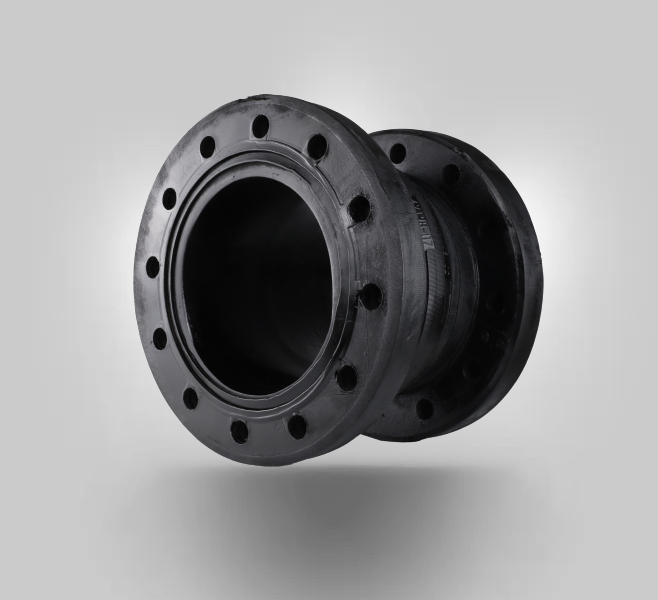
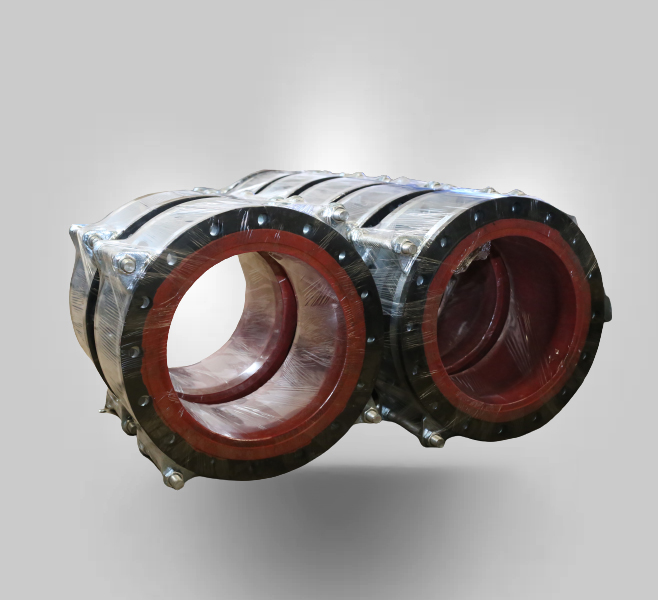
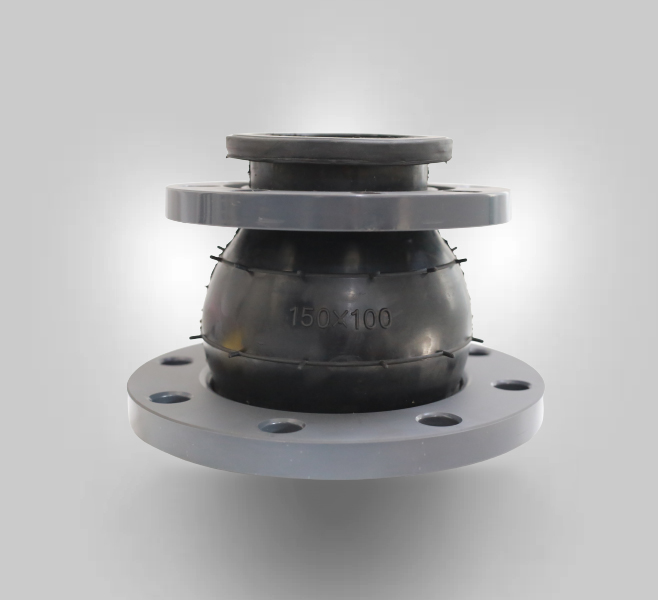
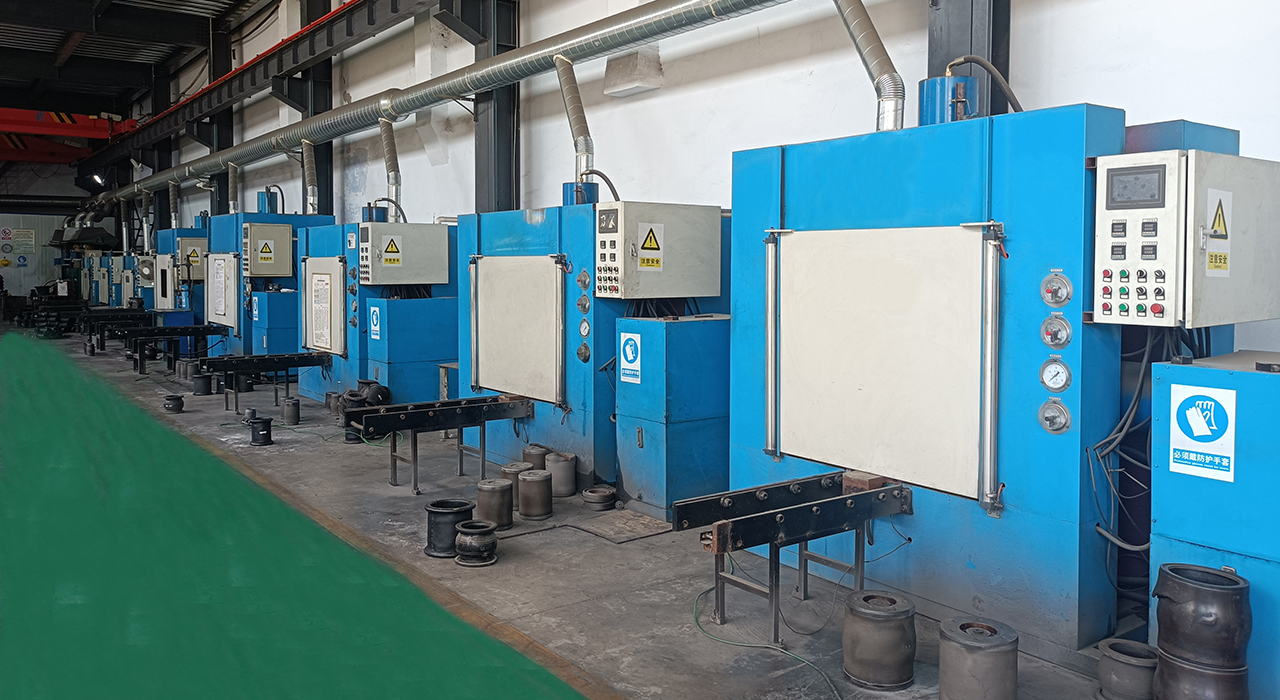
Rubber expansion joints are mainly manufactured by manual wrapping of rubber sheets and fabric reinforced rubber sheets around a bellows-shaped product mandrel. Besides rubber and fabric, reinforced rubber and/or steel wires or metal rings are added for additional reinforcement. After the entire product is built up on the mandrel, it is covered with a winding of (nylon) peel ply to pressurize all layers together. Because of the labor-intensive production process, a large part of the production has moved to eastern Europe and Asian countries.
Some types of rubber expansion joints are made with a molding process. Typical joints that are molded are medium-sized expansion joints with bead rings, which are produced in large quantities. These rubber expansion joints are manufactured on a cylindrical mandrel, which is wrapped with bias cut fabric ply. At the end the bead rings are positioned and the end sections are folded inwards over the bead rings. This part is finally placed in a mold and molded into shape and vulcanized. This is a highly automated solution for large quantities of the same type of joint.
New technology has been developed to wind rubber and reinforcement layers on the (cylindrical or bellows-shaped) mandrel automatically using industrial robots instead of manual wrapping. This is fast and accurate and provides repeatable high quality. Another aspect of using industrial robots for the production of rubber expansion joints is the possibility to apply an individual reinforcement layer instead of using pre-woven fabric. The fabric reinforcement is pre-woven and cut at the preferred bias angle. With individual reinforcement it is possible to add more or less fiber material at different sections of the product by changing the fiber angles over the length of the product.
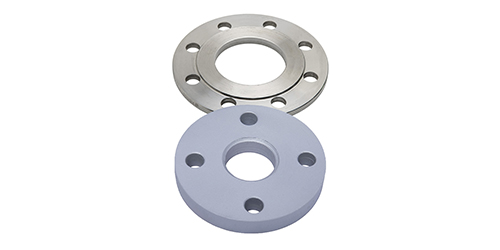
Piping components can be bolted together between flanges. Flanges are used to connect pipes with each other, to valves, to fittings, and to specialty items such as strainers and pressure vessels. A cover plate can be connected to create a "blind flange" Flanges are joined by bolting, and sealing is often completed with the use of gaskets or other methods. Mechanical means to mitigate effects of leaks, like spray guards or specific spray flanges, may be included. Industries where flammable, volatile, toxic or corrosive substances are being processed have greater need of special protection at flanged connections. Flange guards can provide that added level of protection to ensure safety.
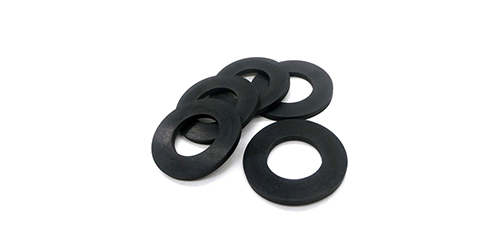
Fasteners are used for fastening and securing materials such as wood, metal, plastic, or concrete. They include nuts and bolts, threaded rods, structural bolts, machine screws, wedge anchors, washers, rivets, and more in a variety of types and sizes, including metric and inch.
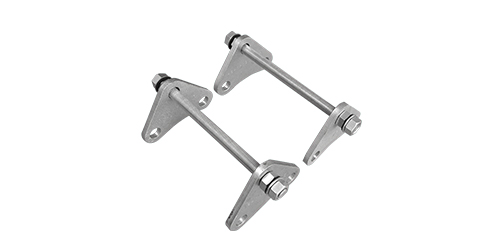
In systems that have a media with significant particulate content (i.e. flash or catalyst), a barrier of ceramic fiber can be utilized to prevent corrosion and restricted bellows flexibility resulting from the accumulation of the particulate. Purge connectors may also be utilized to perform this same function. Internal liners must also be included in the design if the expansion joint includes purge connectors or particulate barriers.
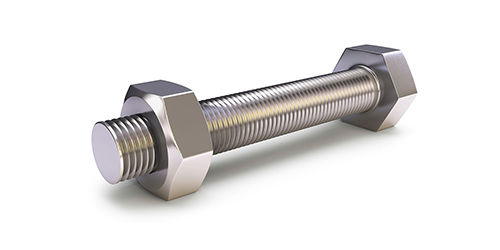
A gasket is a mechanical seal which fills the space between two or more mating surfaces, generally to prevent leakage from or into the joined objects while under compression. It is a deformable material that is used to create a static seal and maintain that seal under various operating conditions in a mechanical assembly.