

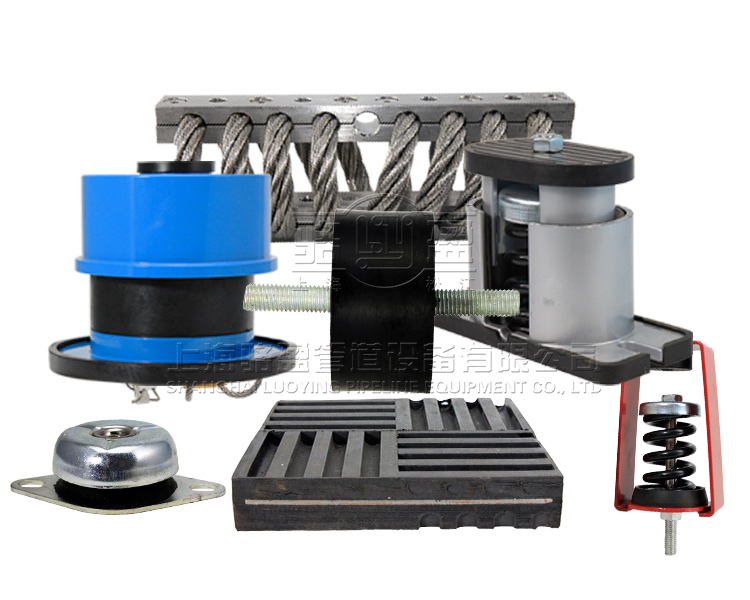
L’isolation vibratoire s’obtient grâce à des matériaux combinant un comportement hautement élastique et des propriétés d’amortissement. Les conceptions pneumatiques, hydrauliques, à métal élastique et à élastomères sont largement répandues dans les applications commerciales d’isolation vibratoire.
Les matériaux élastomères sont sans doute les plus courants et très utilisés dans l’industrie. Le modèle le plus fréquent associe un élastomère collé à des plaques métalliques ou à un noyau métallique ; ces isolateurs sont généralement désignés sous le nom de supports élastomères. Le caoutchouc naturel, le néoprène et le caoutchouc butylique figurent parmi les élastomères les plus employés dans la fabrication d’isolateurs vibratoires industriels.
Les élastomères offrent aux concepteurs une large gamme de rigidités et de caractéristiques d’amortissement, ainsi qu’une bonne résistance à des environnements variés. Leur capacité à satisfaire les exigences de performance dans des conditions de service sévères, associée à une fabrication simple par procédé de moulage, fait des élastomères un choix privilégié lors de la conception d’isolateurs.
Le tableau 1.1 recense les principaux élastomères destinés aux isolateurs vibratoires passifs, ainsi que leurs caractéristiques clés à prendre en compte lors de la conception. Au-delà des références standard, les fabricants développent souvent des formulations élastomères exclusives pour répondre aux besoins spécifiques d’un projet, qui peut requérir l’association de propriétés issues de plusieurs matériaux.
Les caractéristiques des élastomères peuvent être fortement modifiées par l’ajustement de leur composition ou l’utilisation de mélanges spécifiques. La fabrication de la matière première repose notamment sur la vulcanisation par ajout de soufre, associé à des accélérateurs, des charges et des plastifiants (Mark, Erman & Roland, 2013). La matière brute est ensuite façonnée par moulage pour obtenir des isolateurs vibratoires aux dimensions et formes définies, dotés des rigidités et performances d’amortissement requises.
Si la conception d’un isolateur vibratoire intègre de nombreux critères techniques, les concepteurs analysent prioritairement l’amortissement, la rigidité dynamique, la résistance environnementale ainsi que les non-linéarités intrinsèques du produit.

LUOYING
Pneumatic, hydraulic, elastic metal
Elastomeric materials
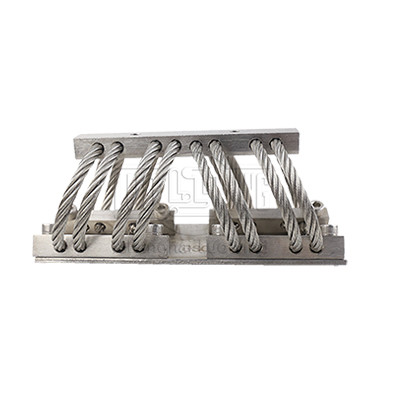
GSG series stainless steel wire rope vibration isolator is a new vibration isolator redesigned and developed on the basis of GS series vibration isolator, its positive and lateral bearing capacity is basically close, the lateral is 70% of the positive bearing capacity, the supporting structure of the wire rope are arched, therefore, the stability is stronger and the vibration isolation effect is more significant.
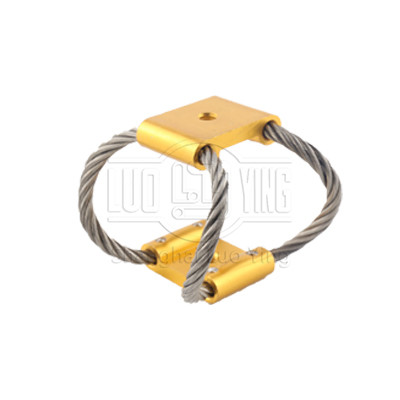
The product has the comprehensive function and effect of vibration isolation and buffering, and the design structure is compact and simple.
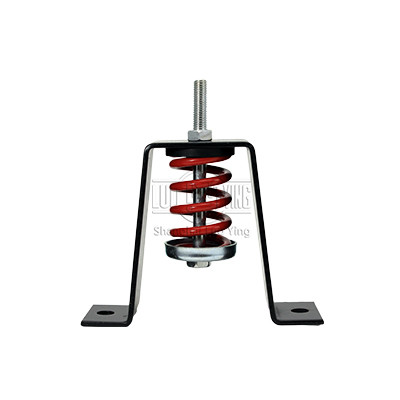
In suspension shock absorber simplest form, shock absorbers are hydraulic (oil) pump like devices that help to control the impact and rebound movement of vehicle's(or other equipment) springs and suspension. Along with smoothening out bumps and vibrations, the key role of the shock absorber is to ensure that the equipment's tyres remain in contact with the road surface at all times, which ensures the safest control and braking response from your equipment.
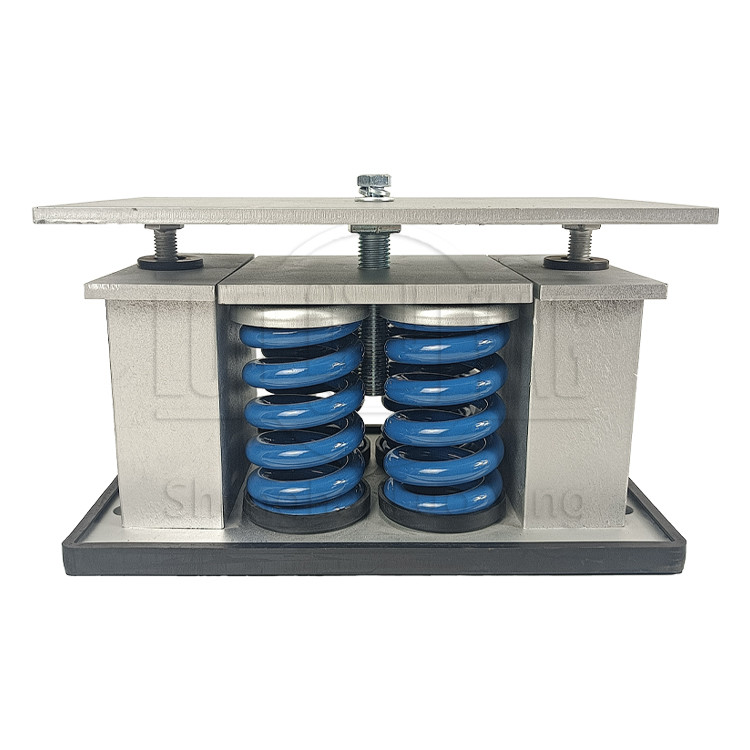
Type JA vibration isolators consist of individual, large diameter, laterally stable steel springs assembled into welded steel housing assemblies to limit vertical movement of isolated equipment when equipment loads are reduced or when equipment is subjected to large vertical external forces. The housing also provides a constant free and operating height to facilitate installation.
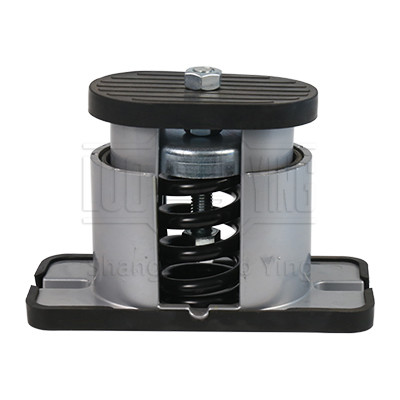
JB Series Spring-Flex Isolators are cast aluminum-housed, adjustable spring isolators with telescoping top and bottom sections separated by resilient elastomeric inserts to limit horizontal motion. A non-skid elastomeric pad is bonded to the base plate, eliminating the need for bolting. They are available in four mounting styles; style CAL-E (positioning bolt and nut), CAL-H (flat top plate), CAL-P (positioning pin), CAL-T (non-skid, ribbed elastomeric pads bonded to the top).
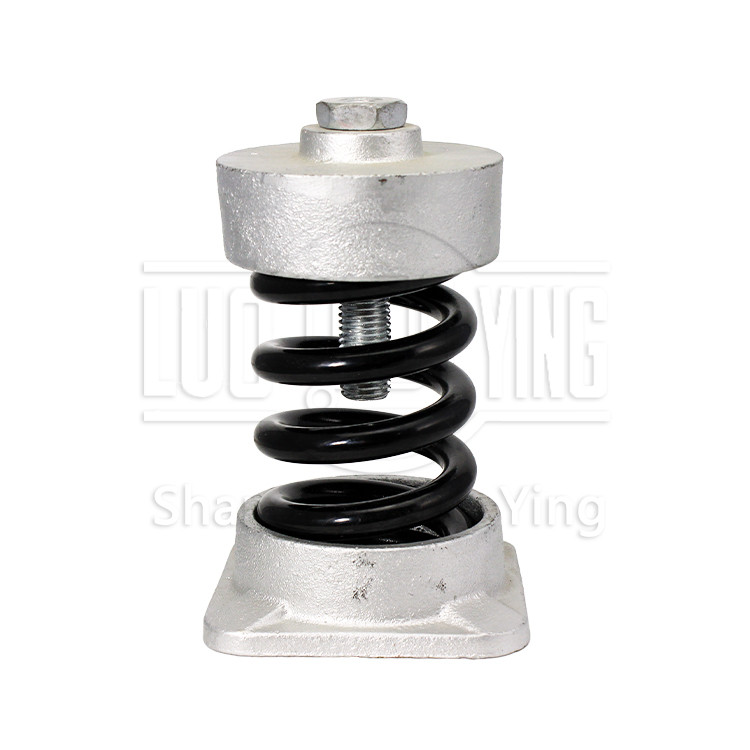
Springs have corrosion resistance epoxy powder coated finish, rated to withstand 1000 hours of salt spray testing as per test method ASTM B117.Springs have a deflection of 25mm at rated load and are designed with 50% overload capacity, to compensate for unexpected load variations and to reduce operating stress.The steel reinforced molded elastomeric load cup with 8-10mm thick ribbed base act as noise breaks for high frequencies in the audible range.
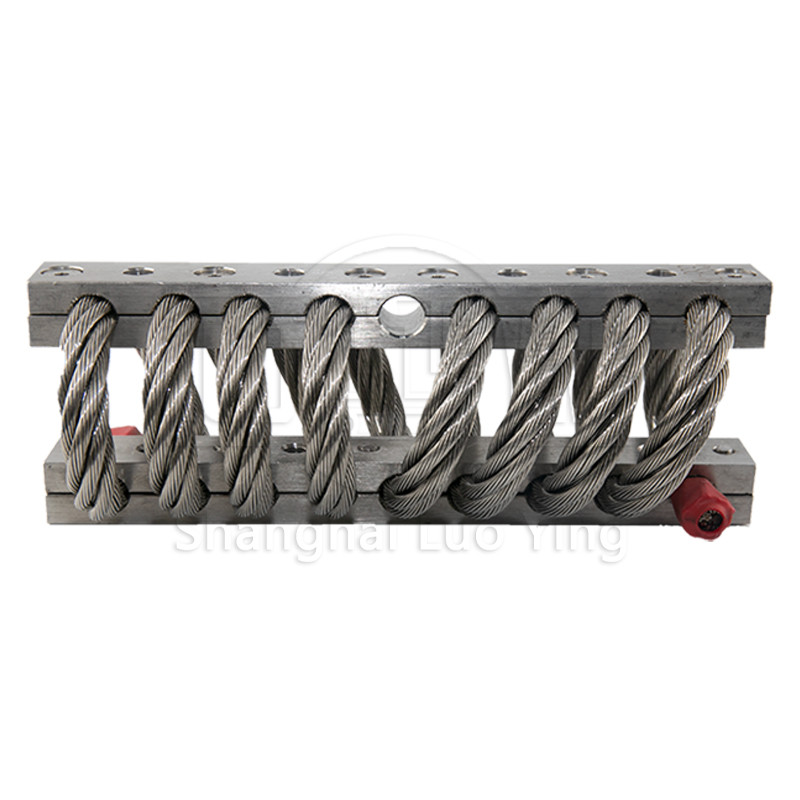
The maximum dynamic displacement is over 70 percent of the space the mount takes up, the dynamic stiffness decreases when the displacement increases. Heavy duty wire rope isolators can be installed in many different ways and are a very versatile wire rope isolator. These mounts also provide elastic support for heavy-duty equipment such as generators.
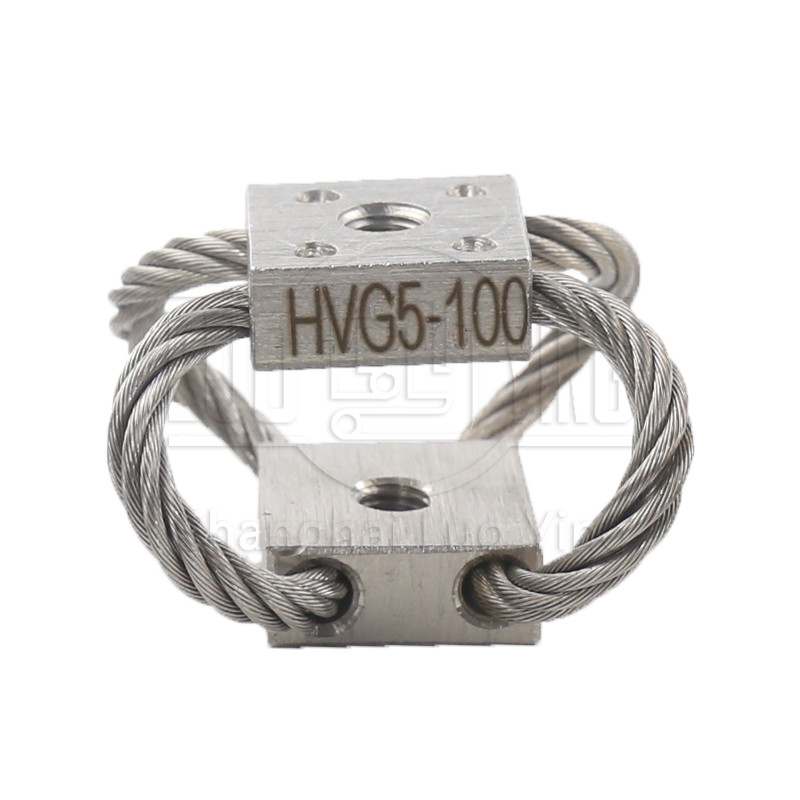
HVG wire rope isolators are special wire rope isolators that are small in size for applications in which space is limited. These wire rope isolators provide the same vibration and shock isolation capabilities as normal wire rope mounts just in a smaller size. Our compact wire rope mounts are made of high quality stainless steel braided cable threaded through aluminum alloy retaining bars, crimped and mounted for maximum shock and vibration isolation.
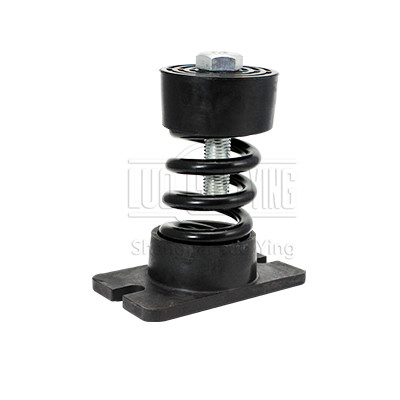
The difference between JD type spring vibration isolator and JC type is that the base area of the product has been doubled.
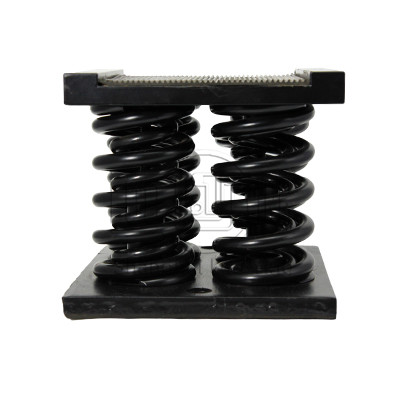
JS type combined spring vibration isolator uses multiple combined springs as the main body, the upper and lower configuration of steel plates and non-slip rubber pads, the product makes full use of the integrated steel spring low frequency and rubber vibration isolation damping characteristics, can eliminate high-frequency vibration transmission, so as to achieve good vibration isolation and noise reduction effect.
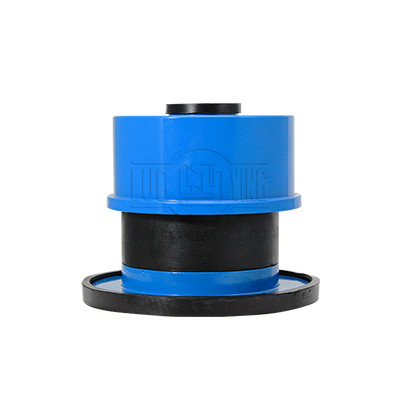
ZTA type damping spring vibration isolator main features and uses: ZTG type damping spring vibration isolator is composed of spring, upper rubber sleeve, lower rubber pad, upper and lower iron parts, etc. The vibration isolator has the advantages of simple structure, small volume, good vibration isolation effect, easy installation, etc.
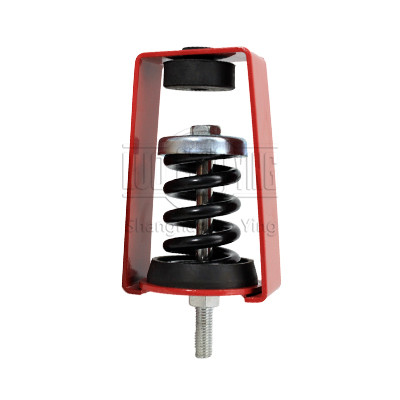
ZTY type spring vibration isolator is used in fan coil and other small equipment vibration damping, in the installation of central air conditioning, fan coil vibration isolation installation can improve the operation of the wind plate to extend the service life.
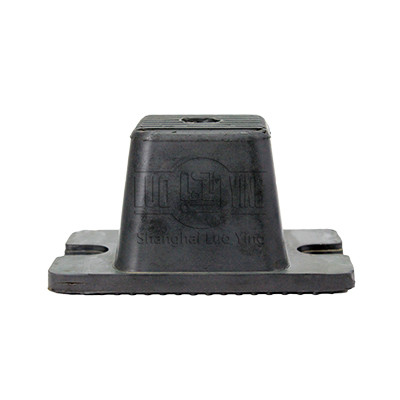
Rubber Cutting Vibration Isolators are specifically designed to give high load capacity with relatively large static deflections and are compact in weight and easy to install. Normally, cone mountings are assembled with overload and rebound washers to control and limit movement of the mounted equipment under vehicle stop /start, torque reaction, braking forces, marine seaway motion and shock forces etc.
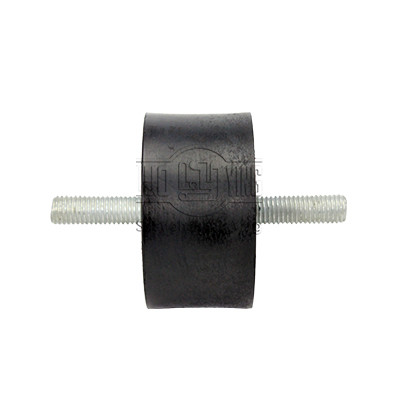
YZT Rubber Shock Absorber can effectively bear all levels of load and deformation of wide range, especially suitable for the installation of electronic instruments.
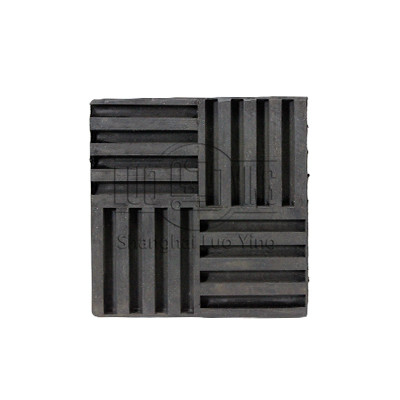
SD Rubber Damping Pad has a good effect on the passive vibration isolation of the instrument and meter, and the effect is more obvious to the high frequency vibration isolation effect of the punch and forging bed.
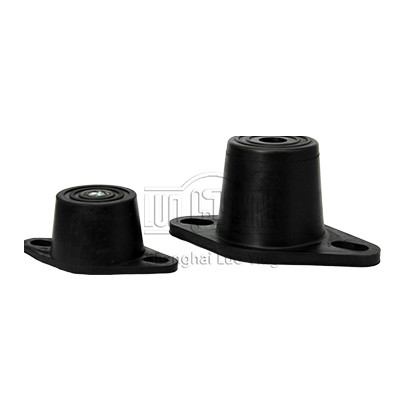
RM rubber mount has reasonable design, generally applicable to small and medium equipment shock-absorbing, stable running, it's the best choice for situation where has strict demand on installation.
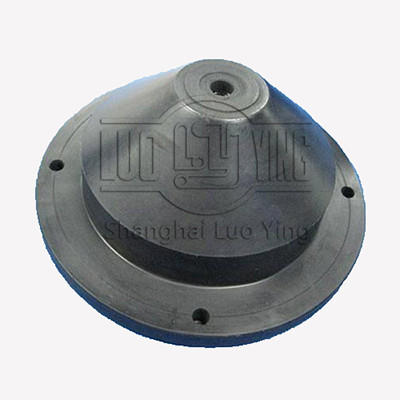
JSD Type rubber shock absorber is composed of metal and rubber composite material, the surface is covered with rubber, can prevent metal from corrosion.
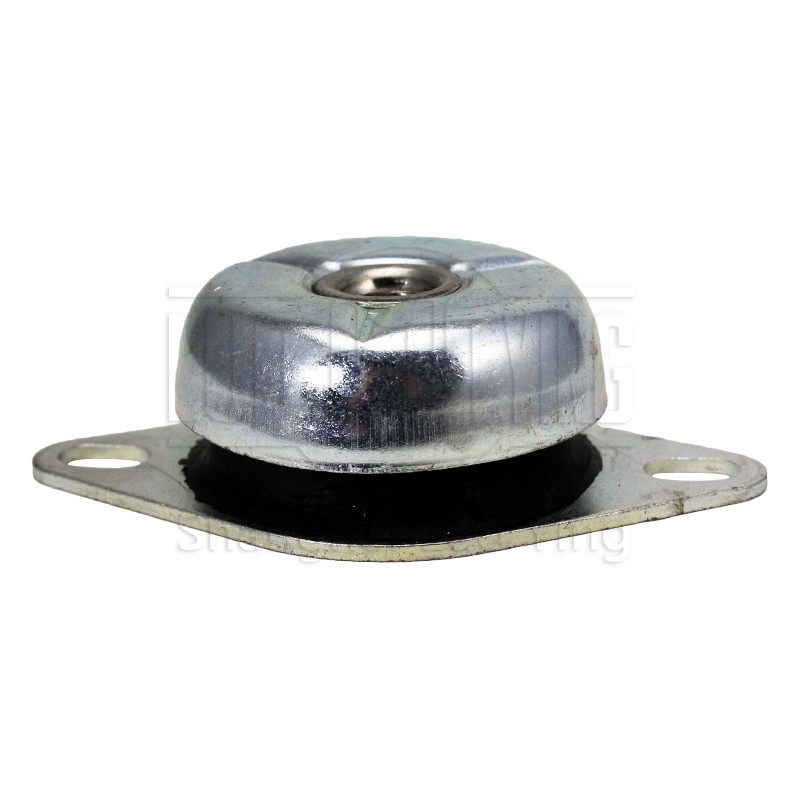
JNH mounts are fail safe marine engine mounts that have a higher profile, the high profile rubber section produces larger deflections and low natural frequencies. These marine engine mounts work the rubber in shear and compression. JNH mounts are designed for applications where maximum vibration isolation is a priority such as in rotating or mobile machines that are continuously subjected to shocks.
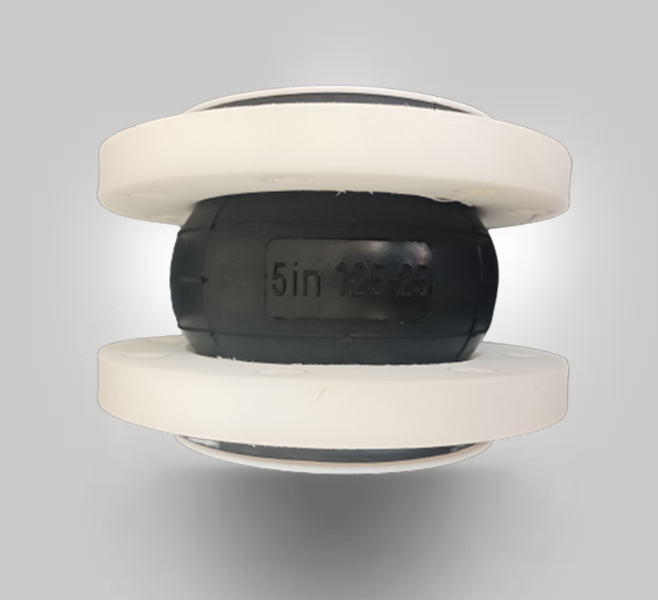
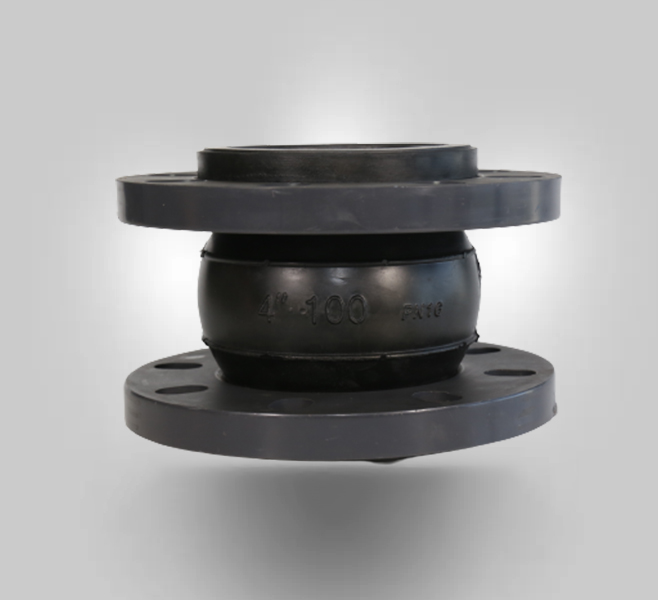
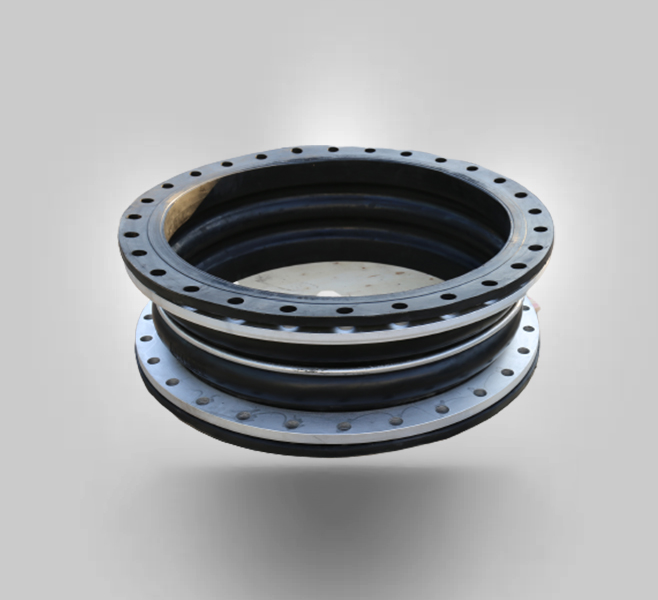
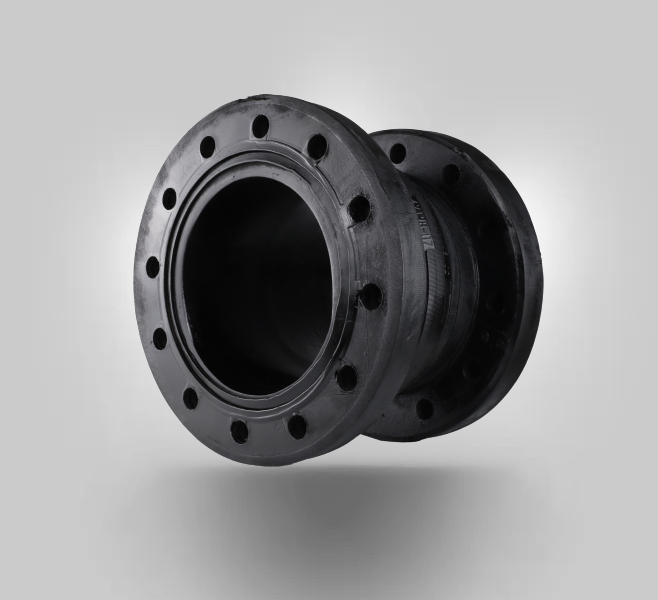
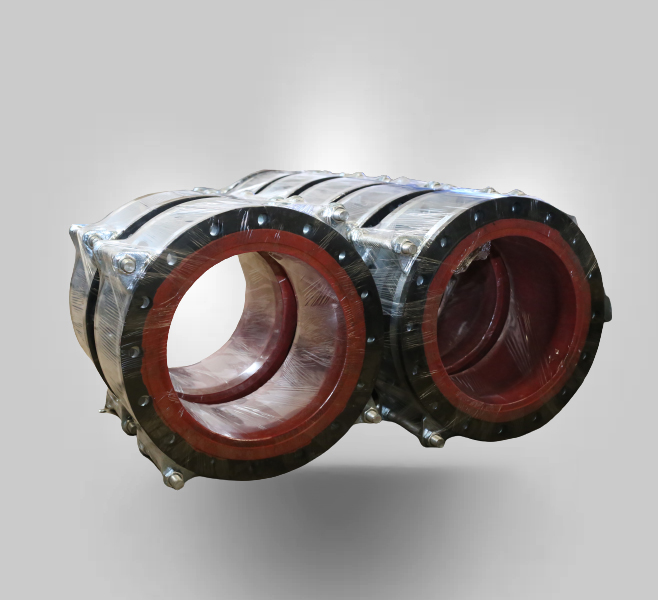
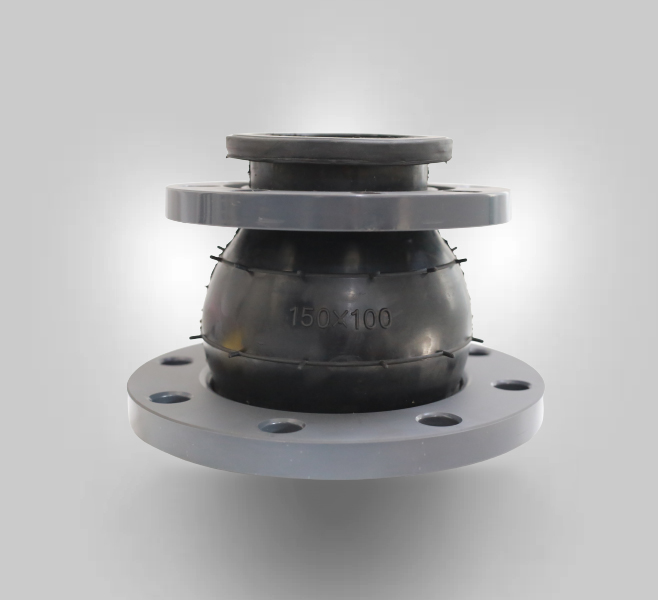
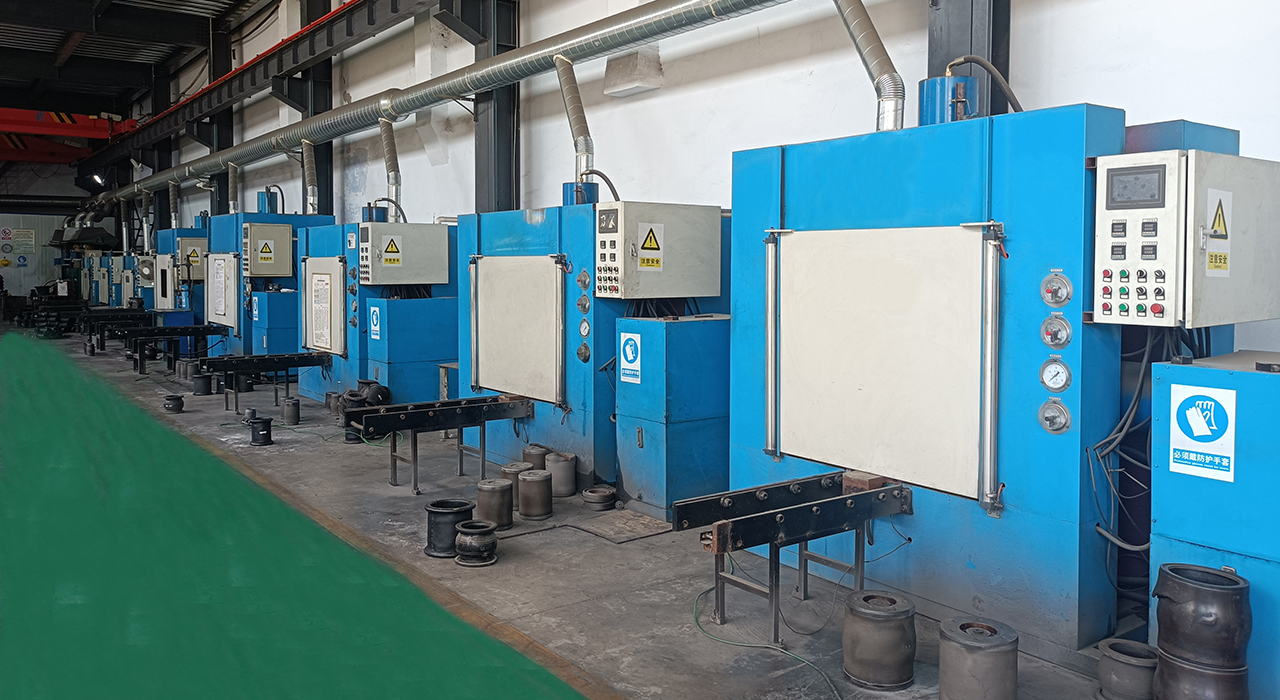
Rubber expansion joints are mainly manufactured by manual wrapping of rubber sheets and fabric reinforced rubber sheets around a bellows-shaped product mandrel. Besides rubber and fabric, reinforced rubber and/or steel wires or metal rings are added for additional reinforcement. After the entire product is built up on the mandrel, it is covered with a winding of (nylon) peel ply to pressurize all layers together. Because of the labor-intensive production process, a large part of the production has moved to eastern Europe and Asian countries.
Some types of rubber expansion joints are made with a molding process. Typical joints that are molded are medium-sized expansion joints with bead rings, which are produced in large quantities. These rubber expansion joints are manufactured on a cylindrical mandrel, which is wrapped with bias cut fabric ply. At the end the bead rings are positioned and the end sections are folded inwards over the bead rings. This part is finally placed in a mold and molded into shape and vulcanized. This is a highly automated solution for large quantities of the same type of joint.
New technology has been developed to wind rubber and reinforcement layers on the (cylindrical or bellows-shaped) mandrel automatically using industrial robots instead of manual wrapping. This is fast and accurate and provides repeatable high quality. Another aspect of using industrial robots for the production of rubber expansion joints is the possibility to apply an individual reinforcement layer instead of using pre-woven fabric. The fabric reinforcement is pre-woven and cut at the preferred bias angle. With individual reinforcement it is possible to add more or less fiber material at different sections of the product by changing the fiber angles over the length of the product.
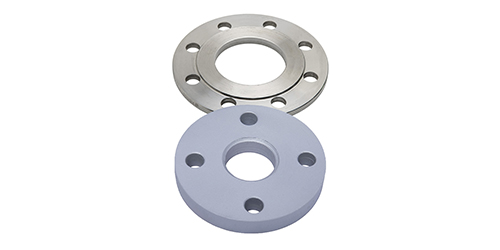
Piping components can be bolted together between flanges. Flanges are used to connect pipes with each other, to valves, to fittings, and to specialty items such as strainers and pressure vessels. A cover plate can be connected to create a "blind flange" Flanges are joined by bolting, and sealing is often completed with the use of gaskets or other methods. Mechanical means to mitigate effects of leaks, like spray guards or specific spray flanges, may be included. Industries where flammable, volatile, toxic or corrosive substances are being processed have greater need of special protection at flanged connections. Flange guards can provide that added level of protection to ensure safety.
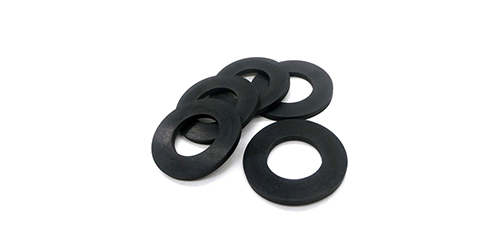
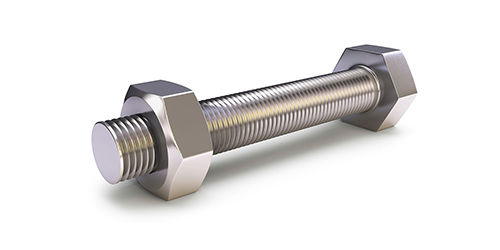
Fasteners are used for fastening and securing materials such as wood, metal, plastic, or concrete. They include nuts and bolts, threaded rods, structural bolts, machine screws, wedge anchors, washers, rivets, and more in a variety of types and sizes, including metric and inch.
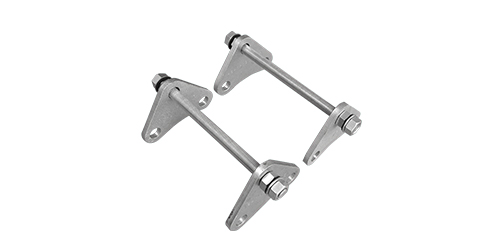
In systems that have a media with significant particulate content (i.e. flash or catalyst), a barrier of ceramic fiber can be utilized to prevent corrosion and restricted bellows flexibility resulting from the accumulation of the particulate. Purge connectors may also be utilized to perform this same function. Internal liners must also be included in the design if the expansion joint includes purge connectors or particulate barriers.
A gasket is a mechanical seal which fills the space between two or more mating surfaces, generally to prevent leakage from or into the joined objects while under compression. It is a deformable material that is used to create a static seal and maintain that seal under various operating conditions in a mechanical assembly.