

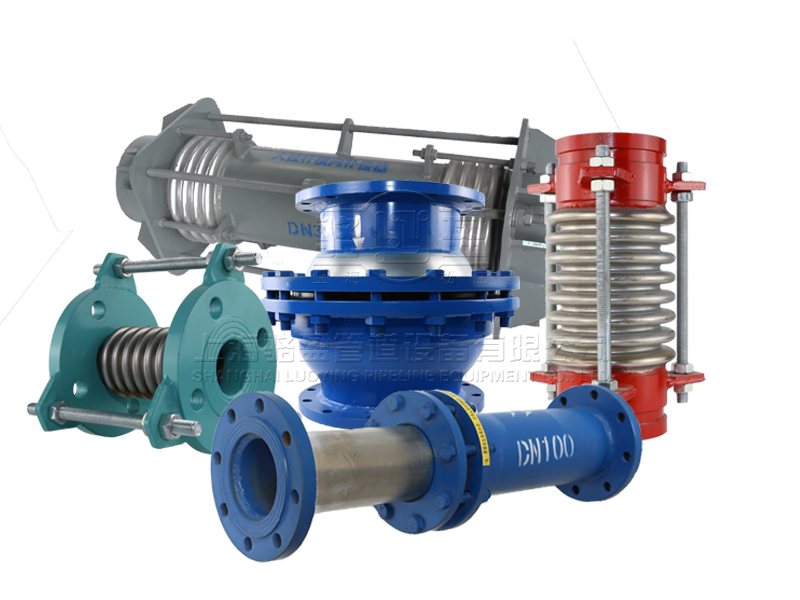
Les applications industrielles figurent parmi les environnements les plus sévères du secteur, soumises à des chaleurs intenses, des pressions élevées, des vibrations importantes, ainsi qu’à leurs effets combinés sur les équipements de l’installation.
Les joints de dilatation métalliques sont disponibles dans une large gamme de matériaux : différents aciers inoxydables, alliages à haute teneur en nickel (Inconel, Hastelloy, Monel), aciers inoxydables duplex et titane.
Un joint de dilatation désigne tout équipement comportant un ou plusieurs soufflets métalliques, destiné à absorber les variations dimensionnelles (notamment celles dues à la dilatation ou contraction thermiques d’une canalisation, d’un conduit ou d’un récipient) et à amortir les vibrations générées par les moteurs, pompes, compresseurs et autres machines.
En d’autres termes, un joint de dilatation métallique est un dispositif constitué principalement de soufflets flexibles, conçu pour absorber les déplacements dans un réseau de tuyauterie tout en résistant à la pression et au milieu circulant à l’intérieur.
L’élément clé d’un joint de dilatation est le soufflet. Le soufflet est un élément flexible composé d’une ou plusieurs corrugations et de segments droits d’extrémité. Une corvolution constitue la partie flexible du soufflet, tandis que les segments droits d’extrémité sont les parties non ondulées situées aux extrémités du soufflet.
La flexibilité du soufflet provient de la souplesse intrinsèque de la corvolution, liée à sa forme et à sa conception spécifique.
Applications :
Dilatation thermique des canalisations.
Raccords flexibles d’équipements nécessitant des températures de service élevées et des déplacements de compression.
Milieux compatibles :
Eau de mer, eau douce, eau potable, eaux usées domestiques, pétrole brut, fioul, air, gaz naturel, vapeur et poudres granulaires.

Luoying
Pipe- 2-1/2” - 100”
50, 150, and 250 psi
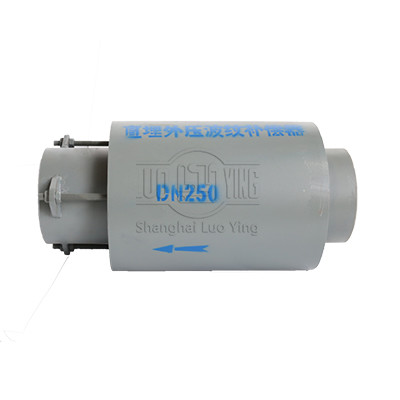
Buried corrugated compensator mainly used in buried pipe axial compensation, has super anti-bending ability, so buried compensator shell can freely expansion compensation under the protection of sleeve.
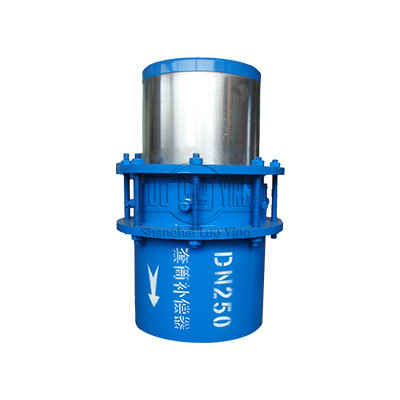
Sleeve type compensator is also called tubular expansion joints,Is the hot fluid pipeline compensator,mainly used for line pipe and auxiliary axial thermal expansion displacement after absorption compensation,is a kind of directly installed in any ...
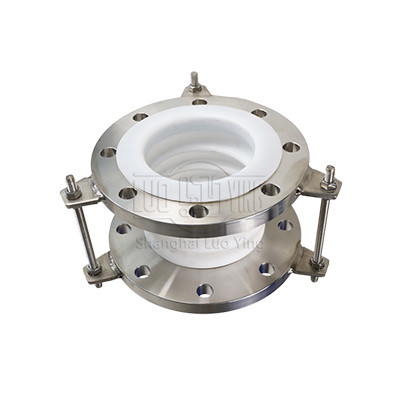
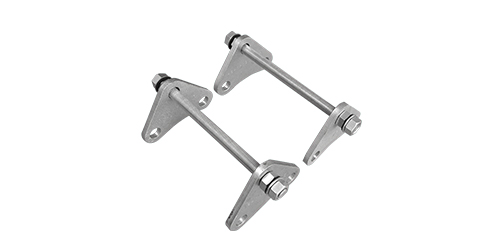
Metal bellows expansion joints (also called compensators) are compensating elements for thermal expansion and relative movement in pipelines, containers and machines. They consist of one or more metal bellows, connectors at both ends, and tie rods that de
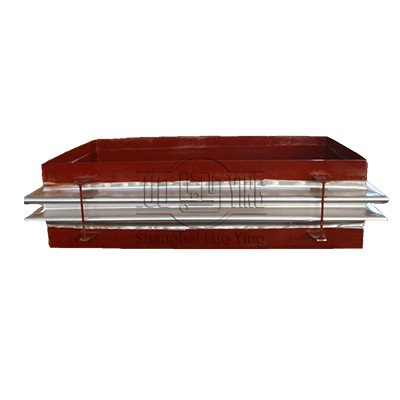
Rectangle ripple compensator (FGFB) also called rectangle of corrugatedexpansion joint, and rectangular corrugated expansion joint, axial, lateral,angular compensation function. Especially suitable for power plants, steel mills, coke, cement industry.
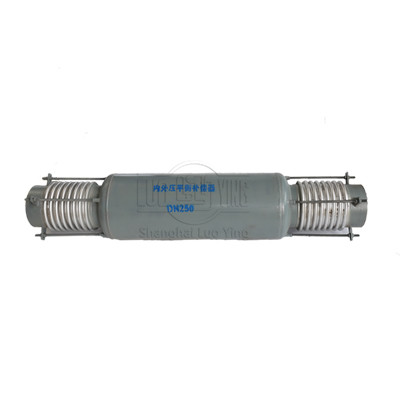
Pressure Balanced Expansion Joints do not transfer the internal pressure thrust on to the fix points, adjacent equipment, or structures. Fix points are usually not required, only guides can ensure the turning of thermal expansion into a controlled movemen
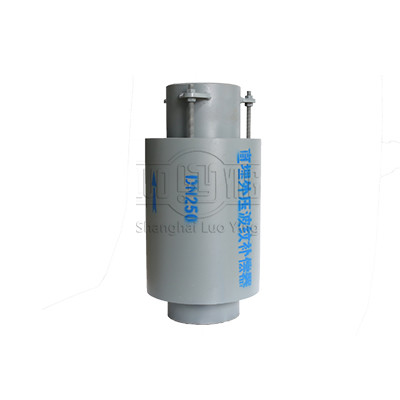
Axial external pressure bellow compensator also called shock absorption ripple compensator, corrugate pipe, expansion joint or slip joint.
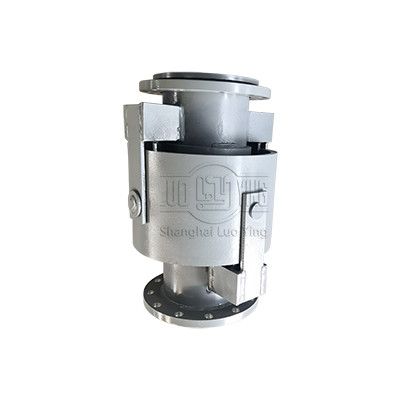
Hinge corrugated compensator also called expansion joint, slip joint, composed by bellows, tube, bracket, flange and catheter. Design temperature:-20~+400℃
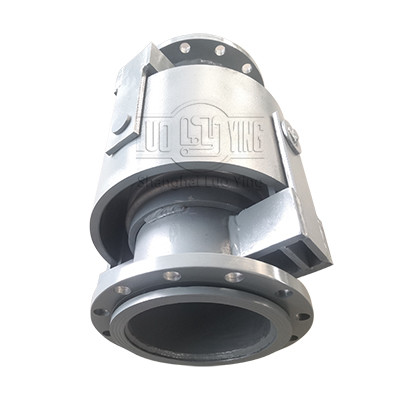
Universal hinge compensator mainly compensate bending pipeline synthesis displacement by the way of angular deflection.
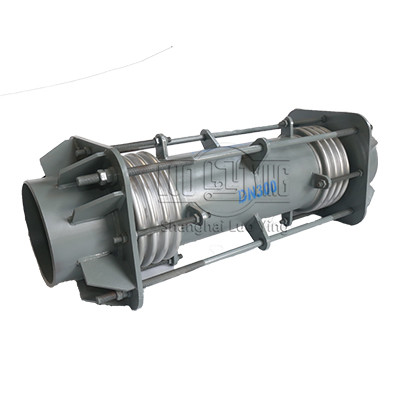
Thermal movements would generate in any rigid pipe systems because of temperature changing. Due to its annular corrugations, the Style LD-MC Stainless Steel Flexible Connector allows for axial compression or axial extension, lateral deflection as well as
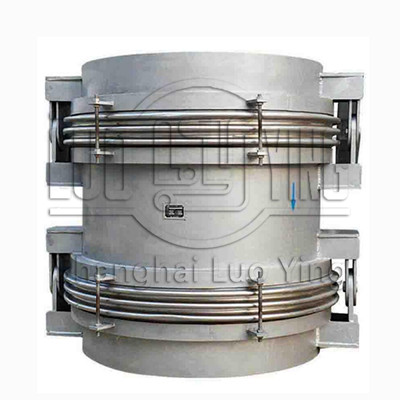
Expansion joints come with three convolutions as a standard. More than three convolutions can be customized and the more convolutions, the more movement an expansion joint will provide. Various reinforcements of rings and outer shells are available for hi
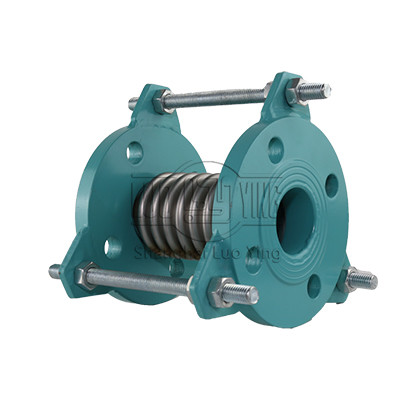
Metal bellows expansion joints (also called Metal Expansion Joint) are compensating elements for thermal expansion and relative movement in pipelines, containers and machines. They consist of one or more metal bellows, connectors at both ends, and tie rod
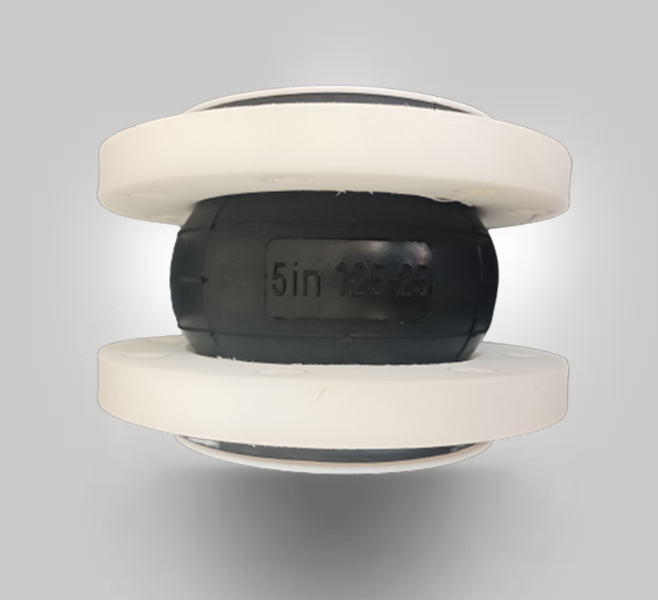
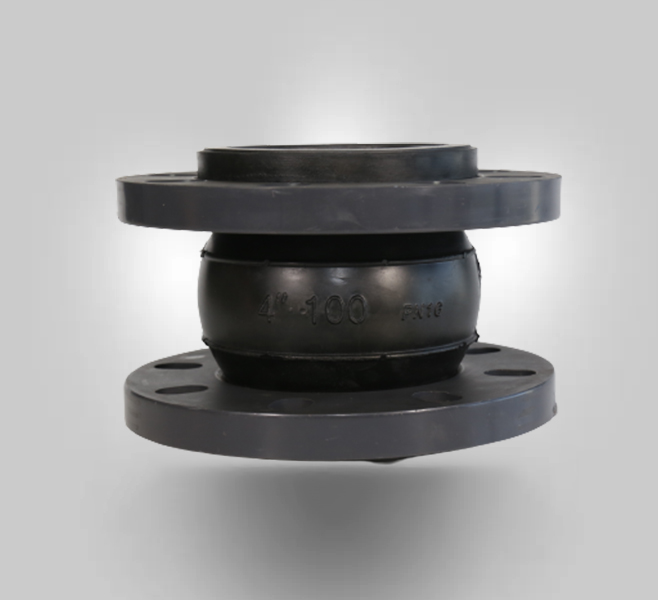
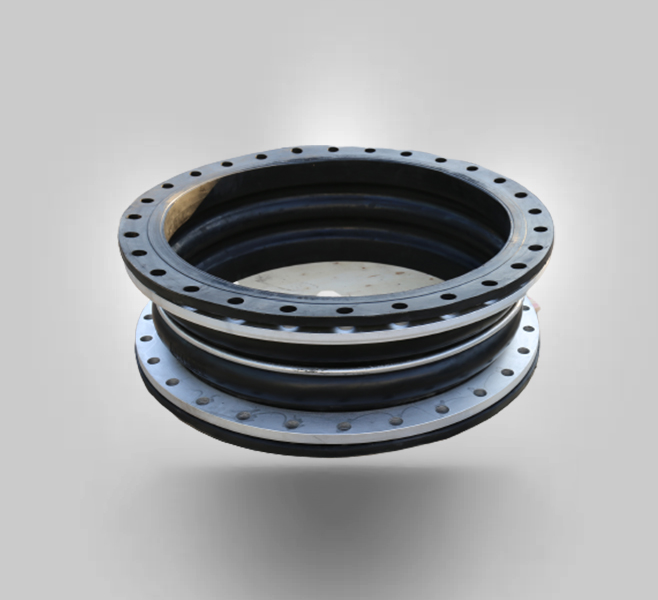
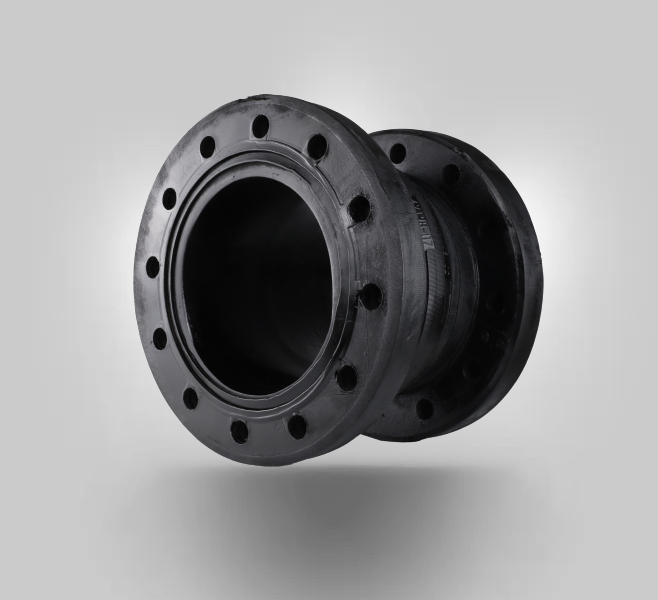
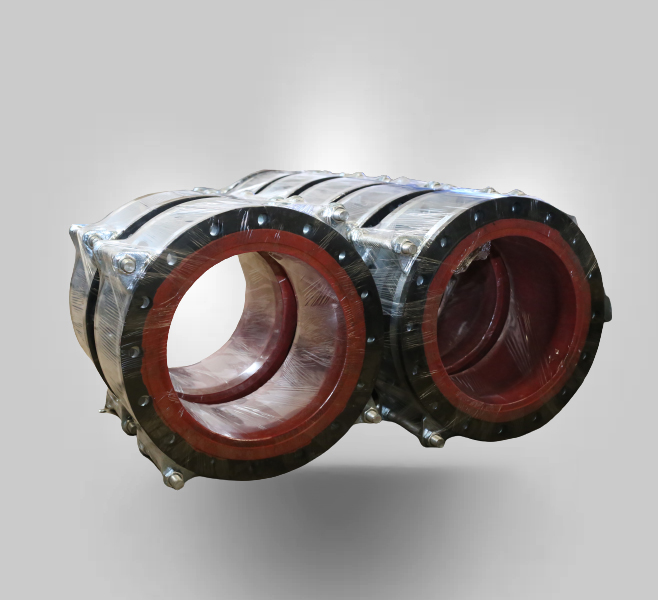
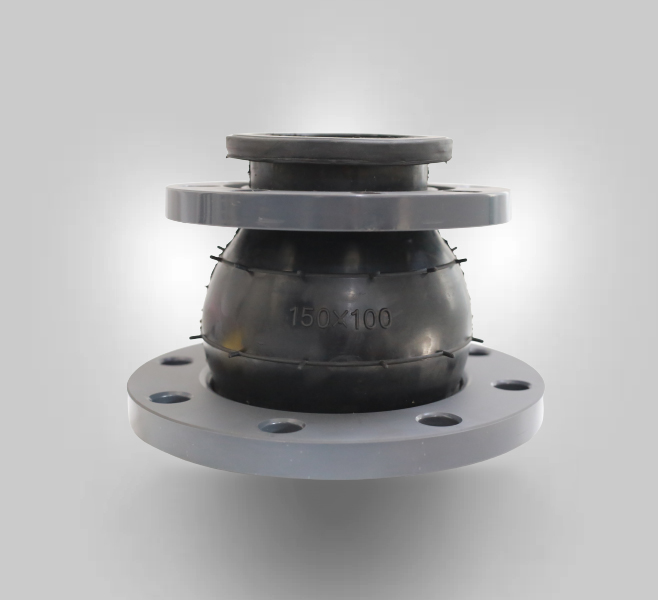
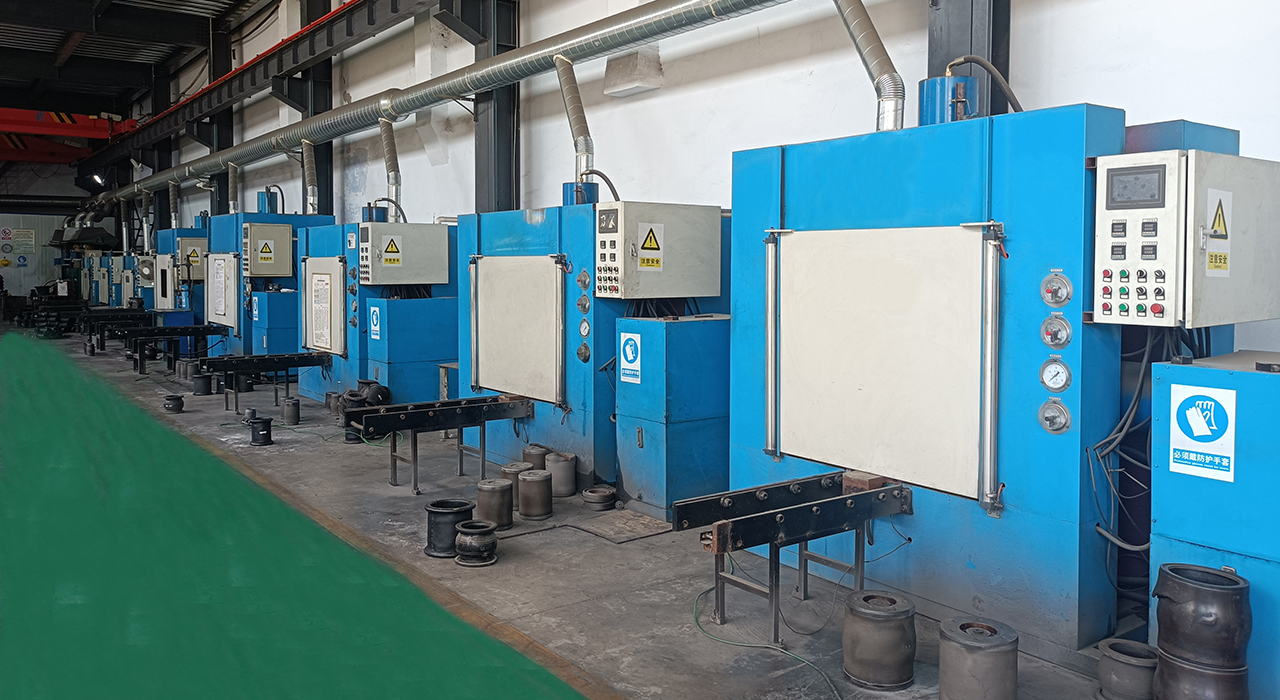
Rubber expansion joints are mainly manufactured by manual wrapping of rubber sheets and fabric reinforced rubber sheets around a bellows-shaped product mandrel. Besides rubber and fabric, reinforced rubber and/or steel wires or metal rings are added for additional reinforcement. After the entire product is built up on the mandrel, it is covered with a winding of (nylon) peel ply to pressurize all layers together. Because of the labor-intensive production process, a large part of the production has moved to eastern Europe and Asian countries.
Some types of rubber expansion joints are made with a molding process. Typical joints that are molded are medium-sized expansion joints with bead rings, which are produced in large quantities. These rubber expansion joints are manufactured on a cylindrical mandrel, which is wrapped with bias cut fabric ply. At the end the bead rings are positioned and the end sections are folded inwards over the bead rings. This part is finally placed in a mold and molded into shape and vulcanized. This is a highly automated solution for large quantities of the same type of joint.
New technology has been developed to wind rubber and reinforcement layers on the (cylindrical or bellows-shaped) mandrel automatically using industrial robots instead of manual wrapping. This is fast and accurate and provides repeatable high quality. Another aspect of using industrial robots for the production of rubber expansion joints is the possibility to apply an individual reinforcement layer instead of using pre-woven fabric. The fabric reinforcement is pre-woven and cut at the preferred bias angle. With individual reinforcement it is possible to add more or less fiber material at different sections of the product by changing the fiber angles over the length of the product.
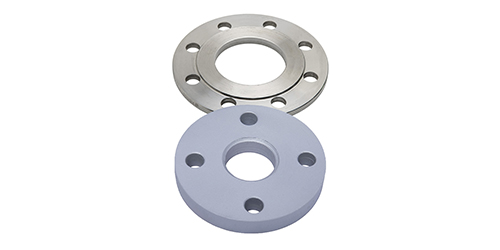
Piping components can be bolted together between flanges. Flanges are used to connect pipes with each other, to valves, to fittings, and to specialty items such as strainers and pressure vessels. A cover plate can be connected to create a "blind flange" Flanges are joined by bolting, and sealing is often completed with the use of gaskets or other methods. Mechanical means to mitigate effects of leaks, like spray guards or specific spray flanges, may be included. Industries where flammable, volatile, toxic or corrosive substances are being processed have greater need of special protection at flanged connections. Flange guards can provide that added level of protection to ensure safety.
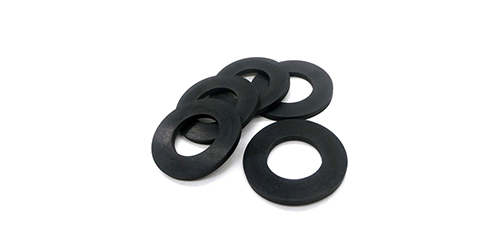
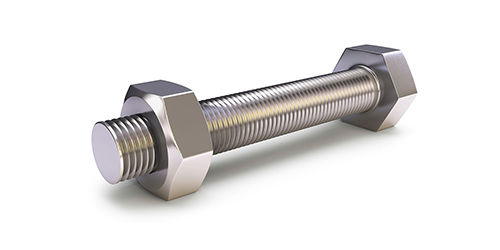
Fasteners are used for fastening and securing materials such as wood, metal, plastic, or concrete. They include nuts and bolts, threaded rods, structural bolts, machine screws, wedge anchors, washers, rivets, and more in a variety of types and sizes, including metric and inch.
In systems that have a media with significant particulate content (i.e. flash or catalyst), a barrier of ceramic fiber can be utilized to prevent corrosion and restricted bellows flexibility resulting from the accumulation of the particulate. Purge connectors may also be utilized to perform this same function. Internal liners must also be included in the design if the expansion joint includes purge connectors or particulate barriers.
A gasket is a mechanical seal which fills the space between two or more mating surfaces, generally to prevent leakage from or into the joined objects while under compression. It is a deformable material that is used to create a static seal and maintain that seal under various operating conditions in a mechanical assembly.